 EN ▾
 ZH
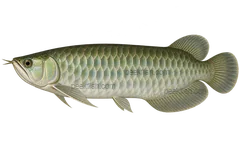
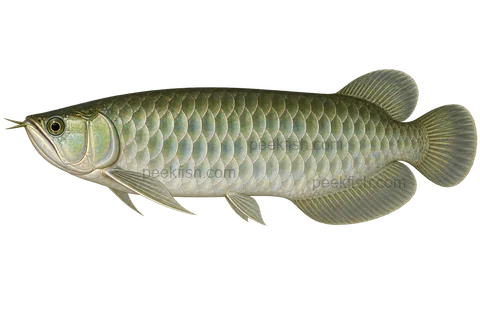
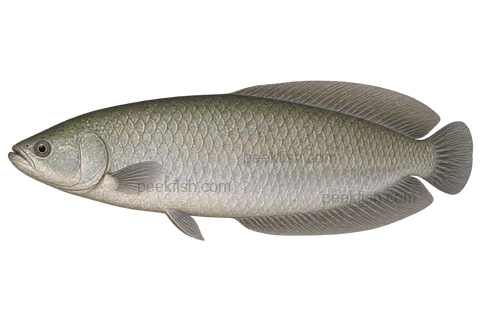
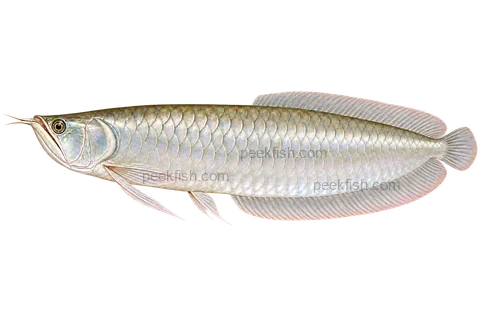
Arowana species and relatives: colour forms and surface life
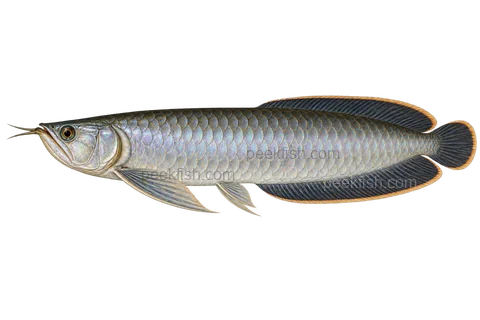
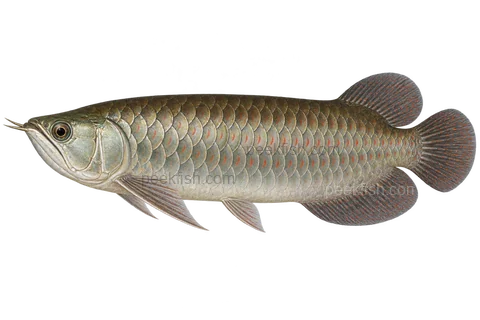
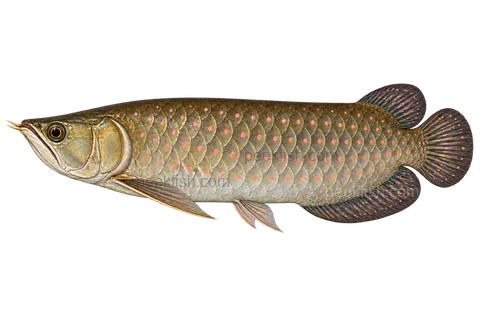
A colour label is not a species identity
Arowana colour names need a scientific identity and source context. This catalogue presents Scleropages formosus as the Asian arowana species; the taxonomy of its colour forms has received differing treatments. A sales colour alone does not create another species. Separate identity, appearance and origin records. This page does not grade fish, establish prices or authenticate trade documents.
Why butterflyfish share this entrance
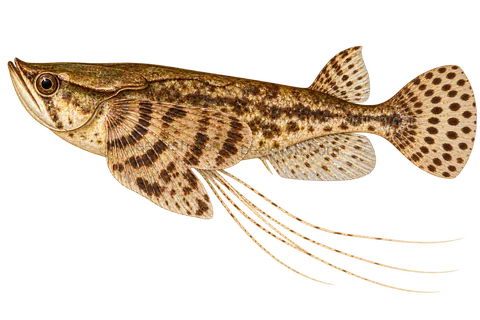
Pantodon buchholzi has a very different outline from the familiar arowana, including broad pectoral fins and surface-oriented behaviour. Its place in the arowanas-and-relatives gallery does not make it a young arowana or a small colour form. Compare proportions, pectoral fins and mouth position, then open the individual profile.
Surface life changes how feeding is observed
African butterflyfish live and feed near the surface. Check food access there rather than judging feeding by what remains on the bottom. Small fish may also become prey. Quiet behaviour and safety around small tankmates are therefore separate questions. Assess size and feeding relationships rather than relying on a calm display.
Adult space comes before the display
Asian arowanas need provision for large adults and a secure cover; butterflyfish also require attention to escape risk. A juvenile fitting temporarily does not establish a long-term arrangement. Use the profiles below for species-specific information rather than scaling one setup into another. The virtual aquarium does not determine suitable enclosure dimensions.