 EN ▾
 ZH
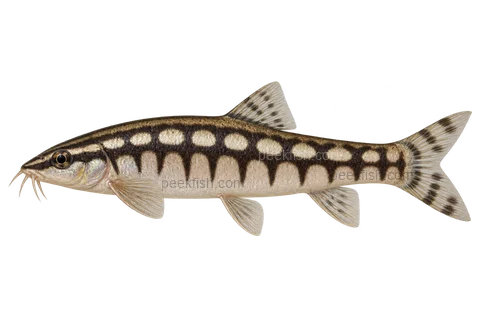
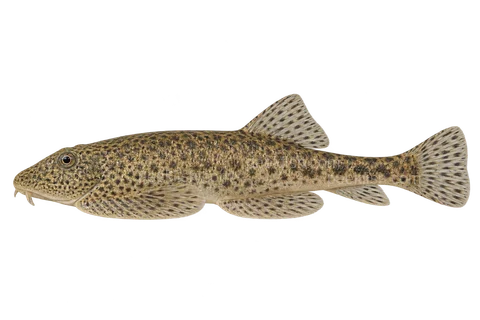
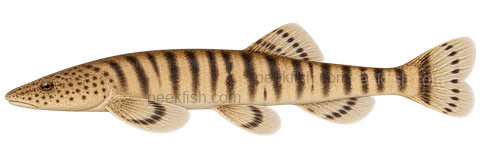
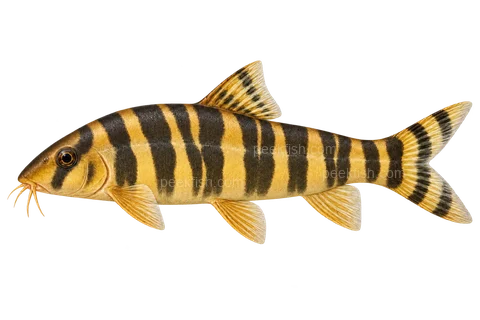
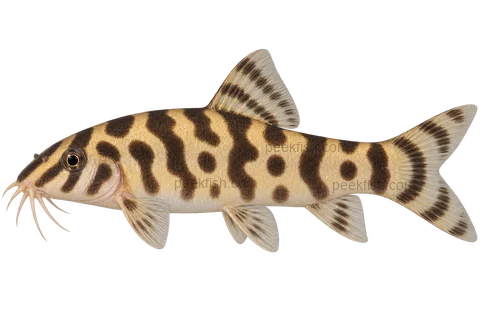
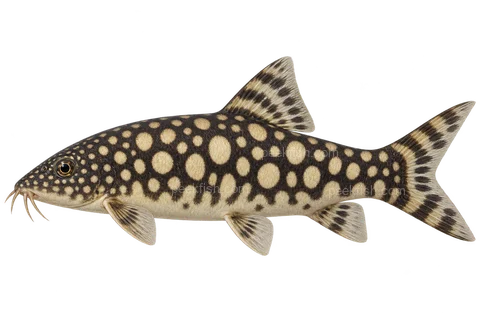
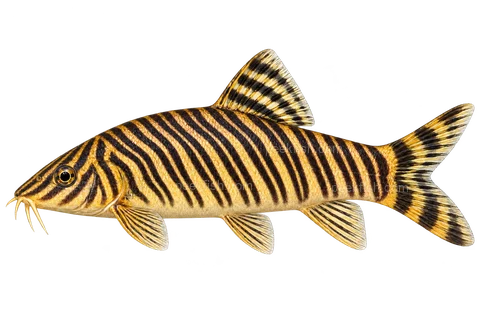
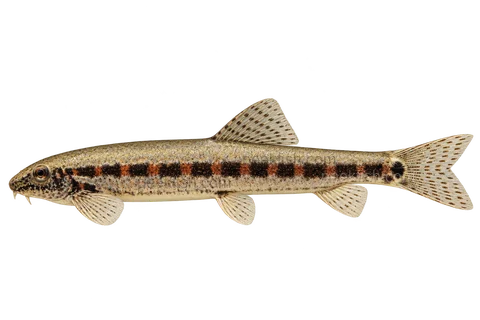
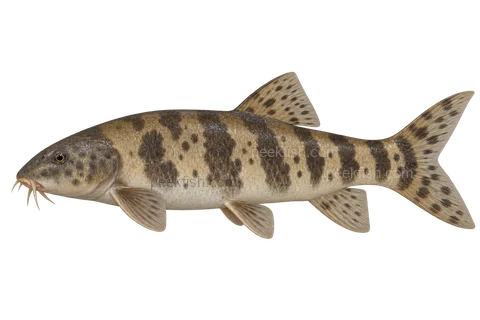
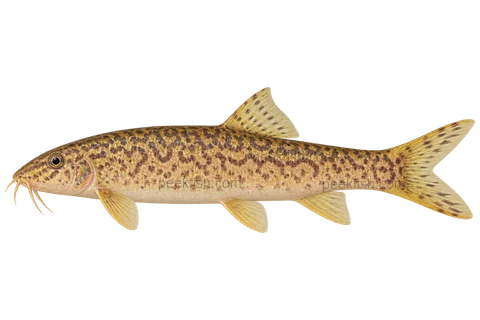
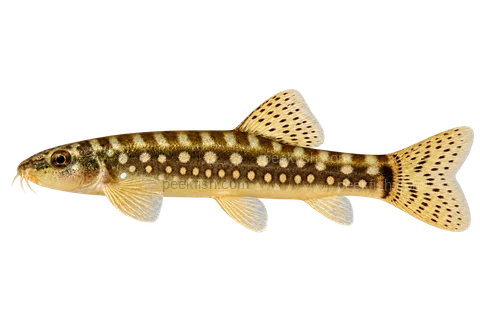
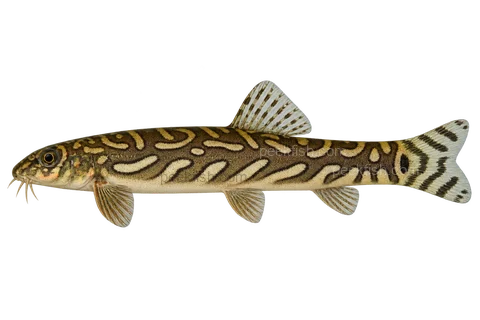
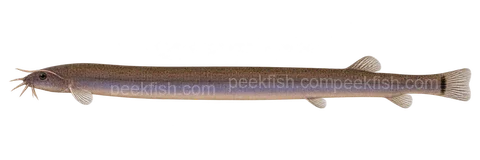
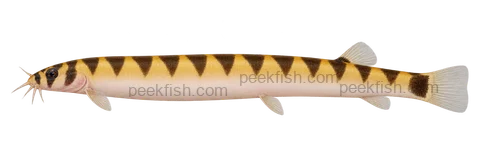
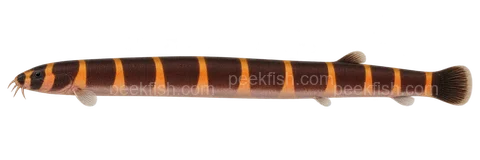
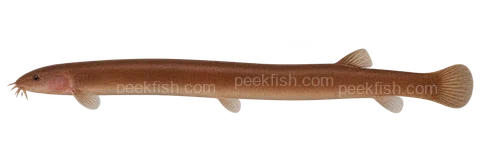
Aquarium loach types: compare shape, groups and flow
Follow identity beyond a trade name
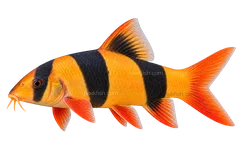
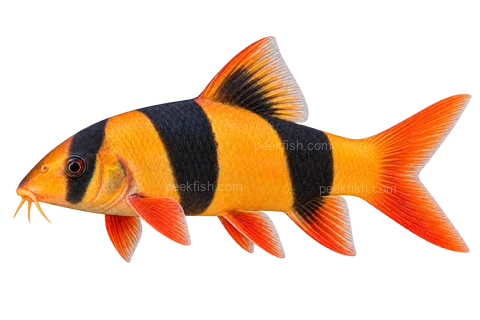
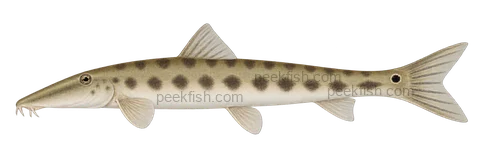
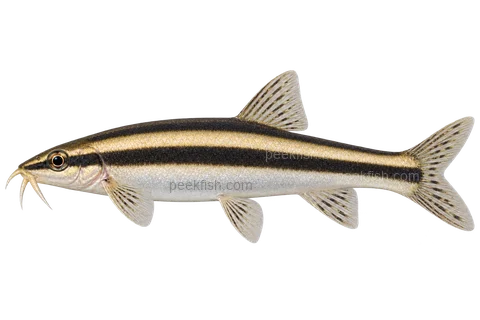
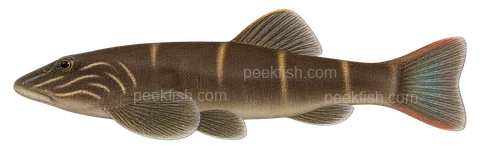
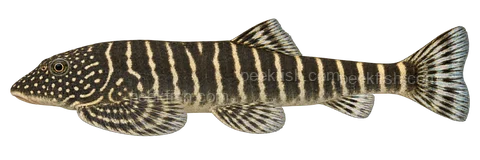
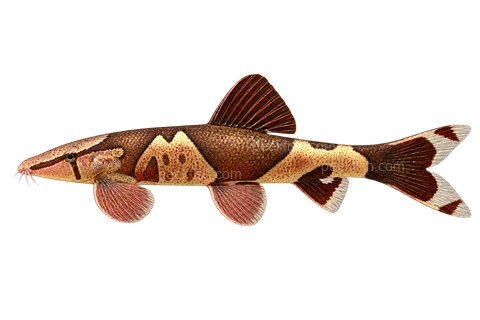
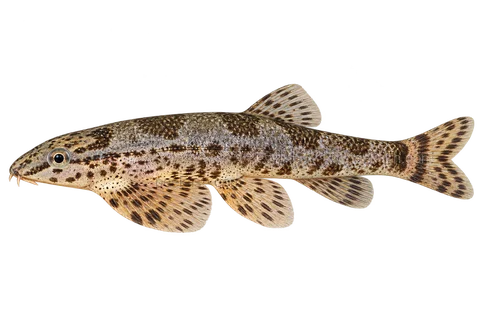
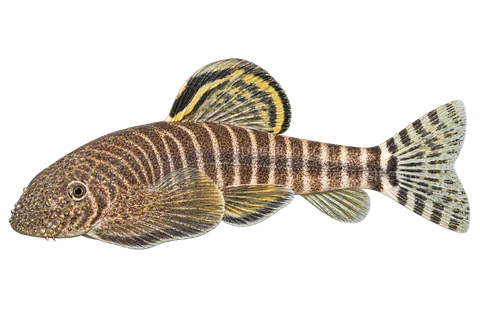
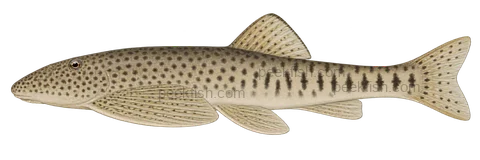
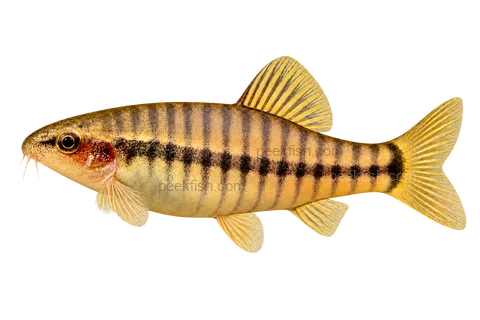
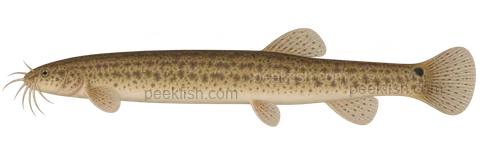
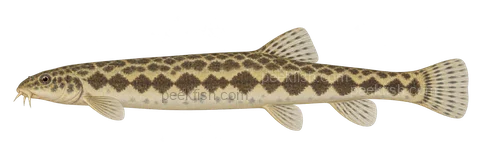
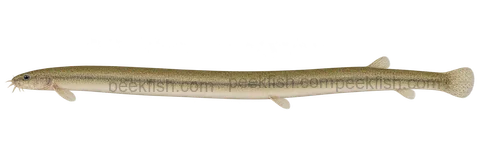
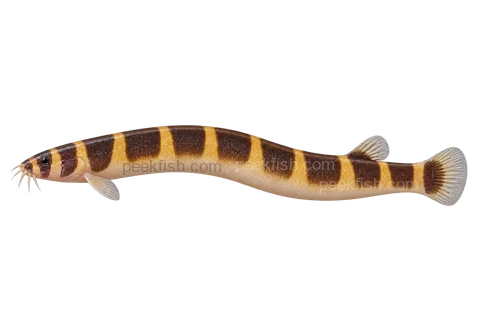
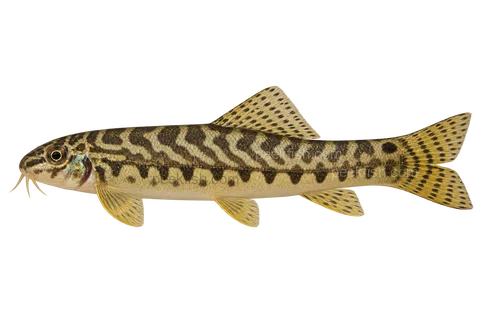
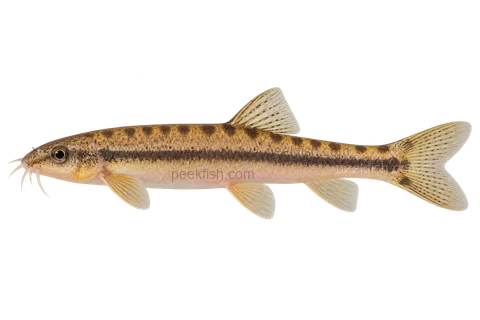
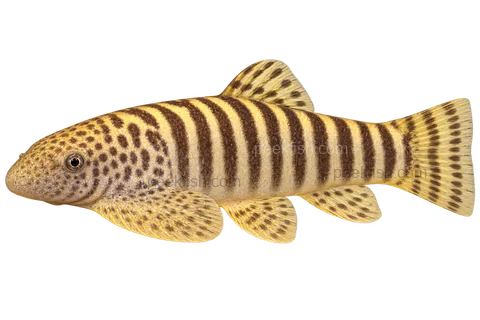
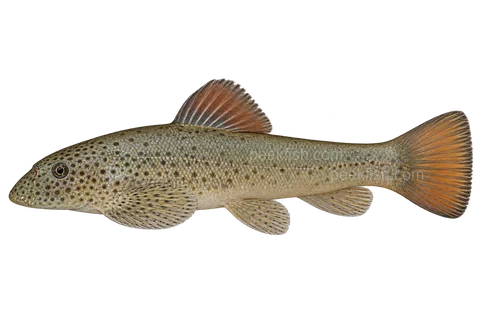
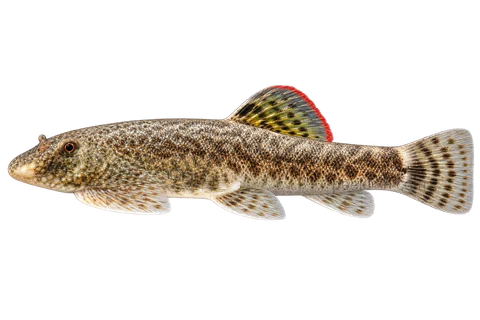
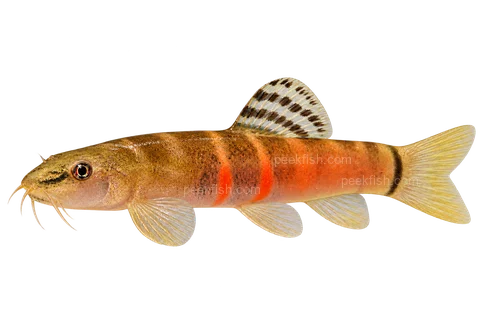
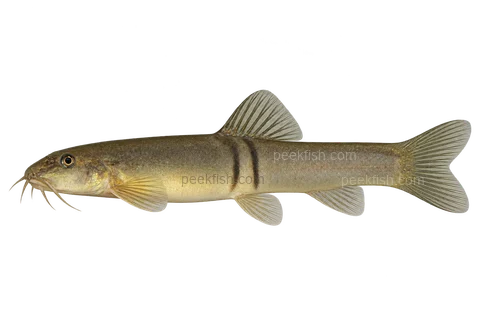
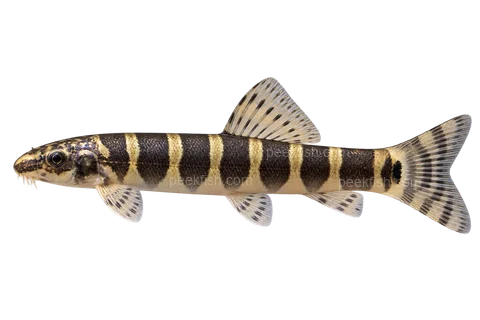
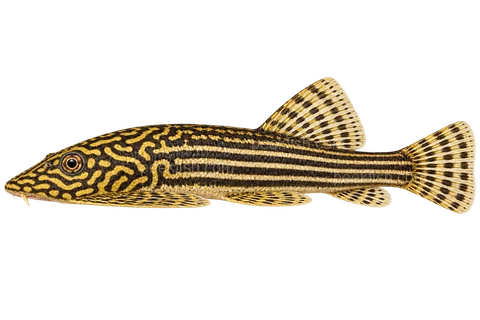
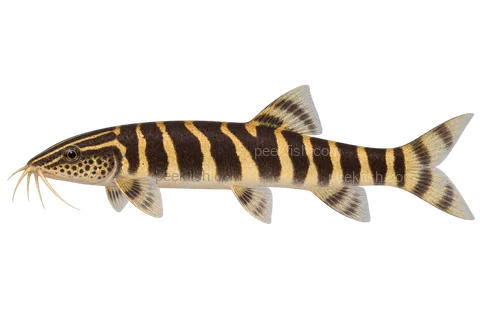
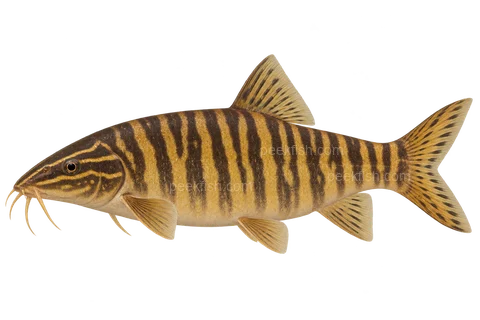
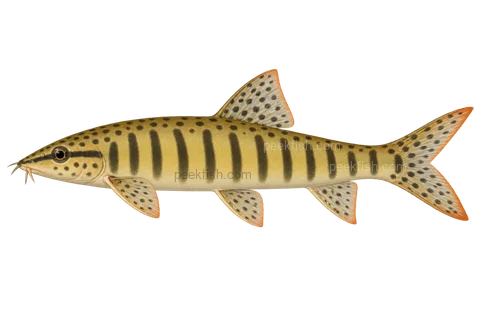
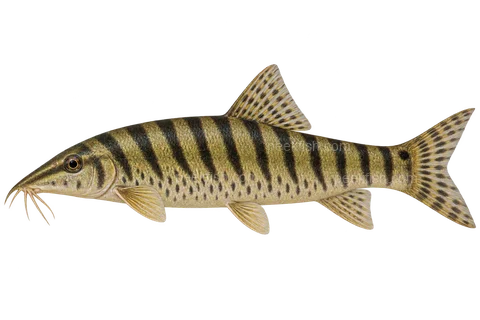
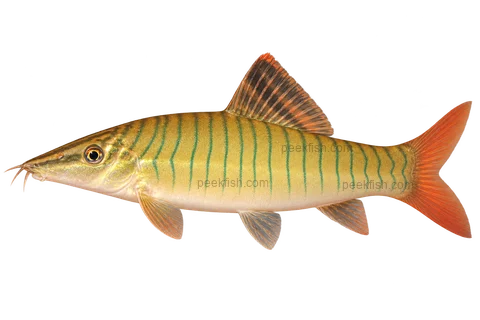
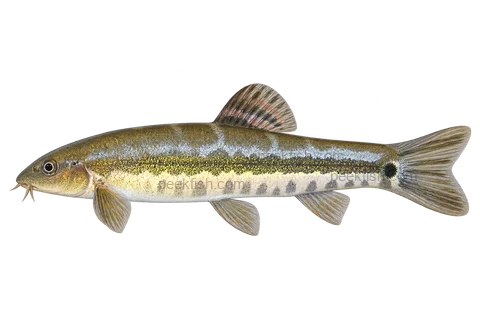
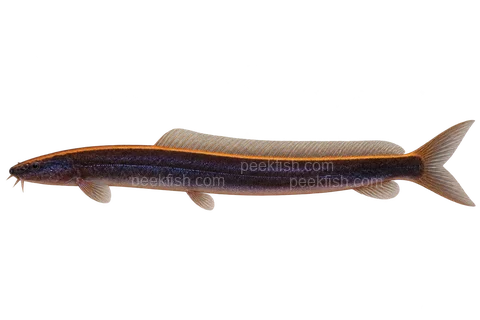
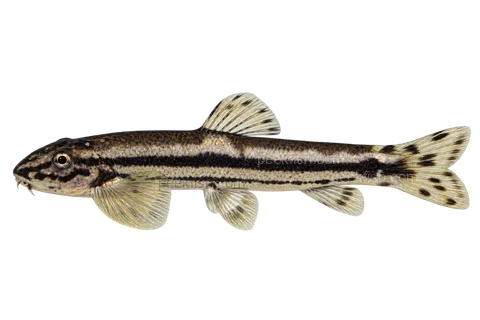
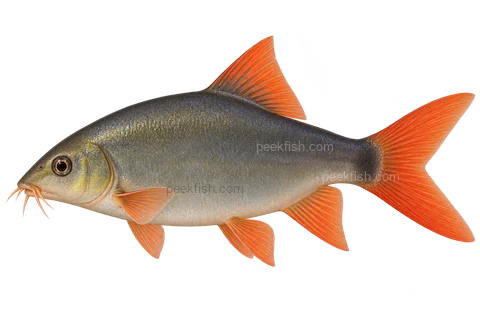
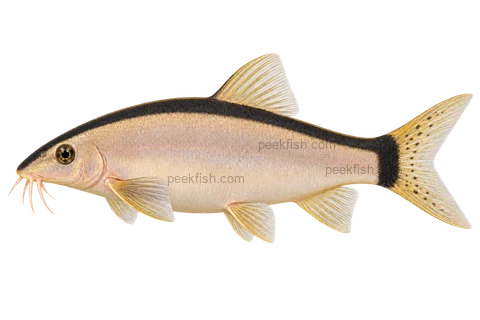
This gallery includes Chromobotia macracanthus, the clown loach, and Sewellia lineolata. The Chinese trade name for the clown loach includes a word also used for cory catfish; the scientific name resolves that ambiguity. Cory catfish have their own browsing group. Start with the outline and markings, then record what you can identify confidently.
Clown loaches need an adult group plan
Plan space for adult clown loaches and their social relationships, not just the size of juveniles in a shop. They eat snails but need a varied diet. Buying one simply to remove unwanted snails overlooks the long-term requirements of the fish. Read the species profile before using snail-eating as a reason to select it.
Sewellia needs more than a visible patch of algae
Sewellia lineolata comes from flowing, well-oxygenated waters. Its profile emphasises an established environment and surfaces carrying biofilm. A fish grazing on stone or glass is not a general-purpose cleaner. Consider flow, oxygen and suitable food together; installing a circulation pump does not by itself complete the habitat.
Compare the relevant requirements
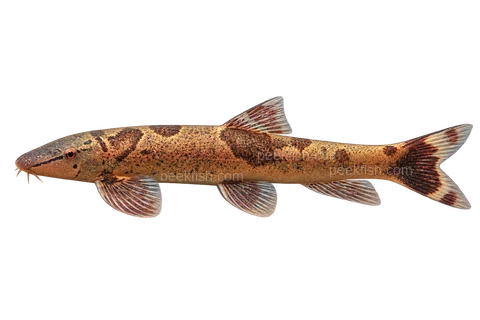
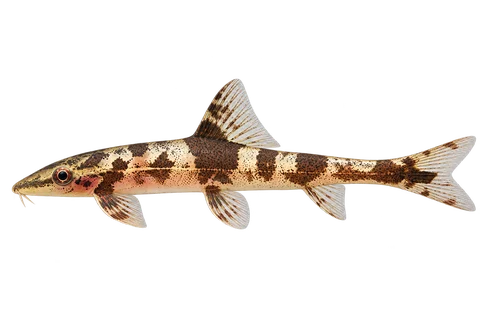
For these two candidates, begin with different questions: adult group space for clown loaches, and flowing-water habitat and feeding surfaces for Sewellia. Other loaches still need their own assessment. Use the profiles below to compare sourced information and leave unknowns visible. Shared bottom-dwelling habits or overlapping temperature ranges do not establish compatibility.