 EN ▾
 ZH
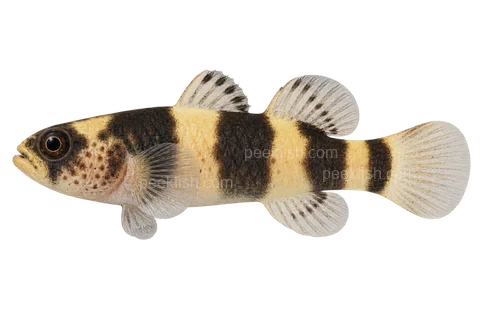
Freshwater bumblebee gobySource maximum 2 cm SL · illustrated total length unknownPale ground and black bands; the front base of the first dorsal is unpigmented.
Compare peacock gudgeons with Stiphodon semoni. Similar browsing labels can hide different food requirements and freshwater versus larval life stages.
Read the full guide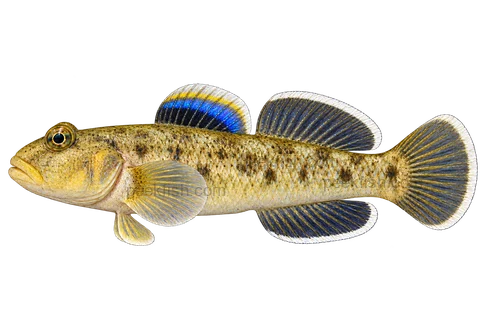
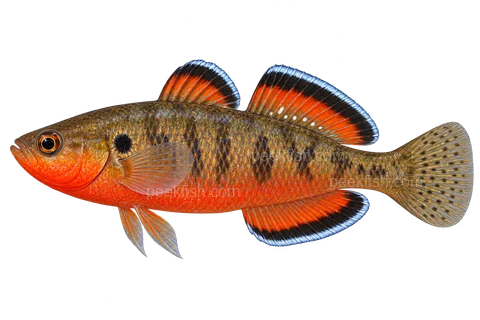
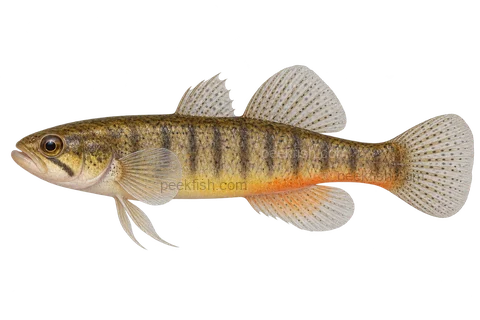
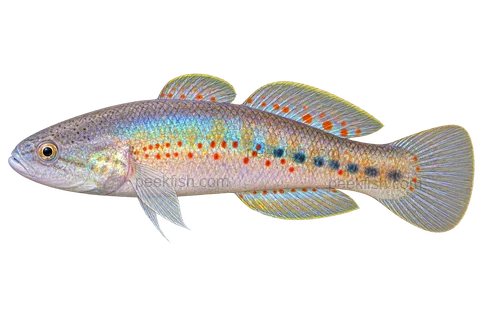
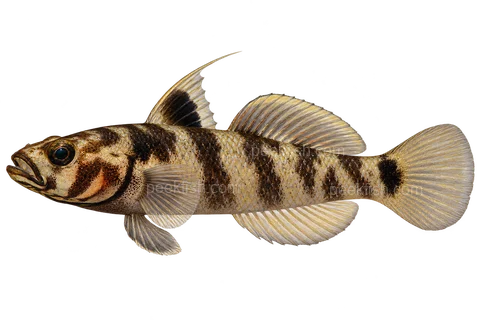
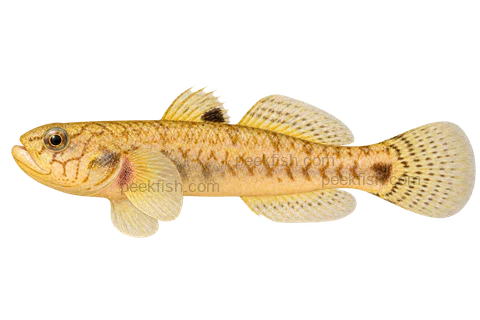
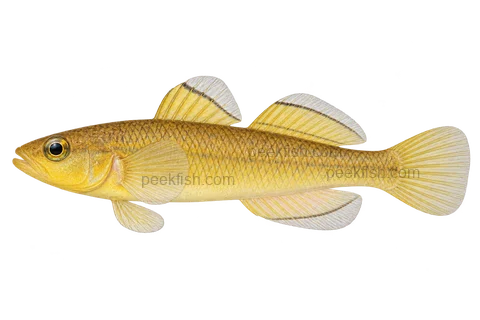
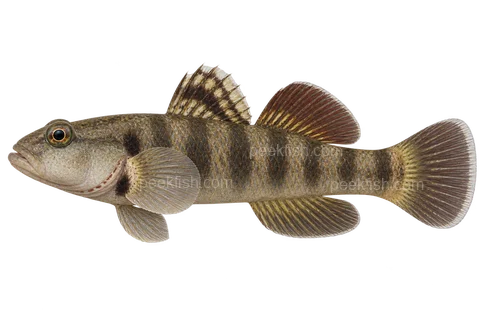
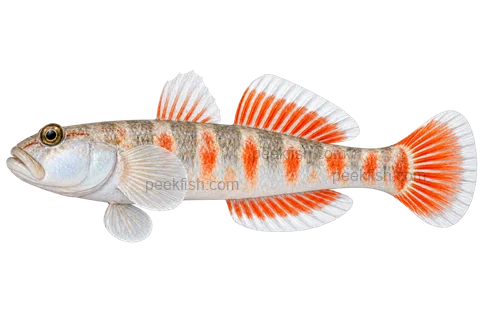
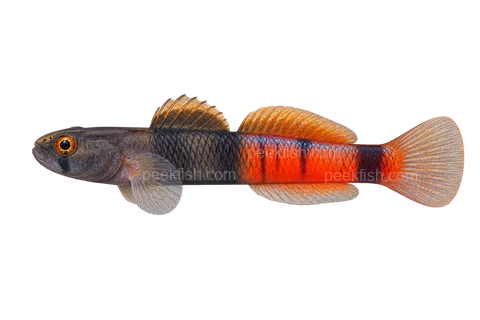
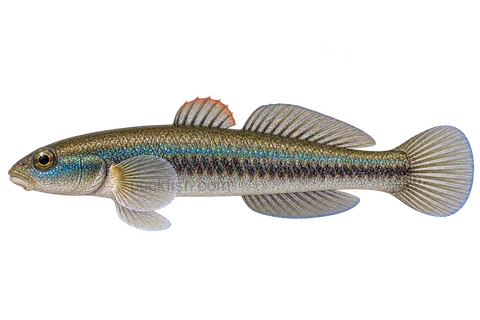
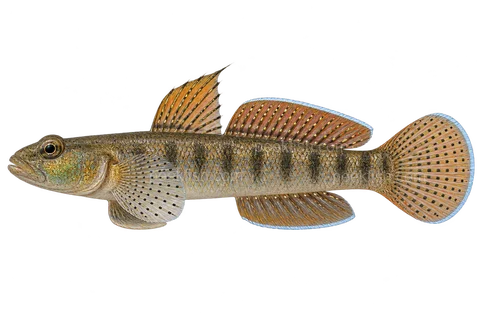
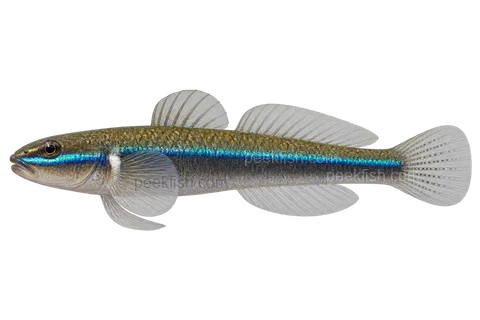
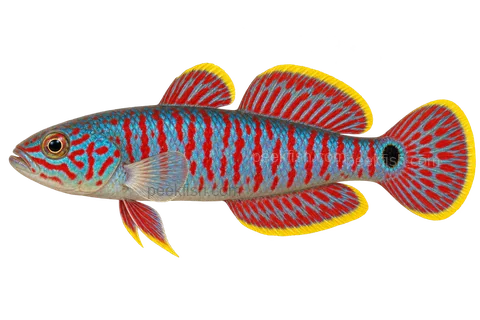
Tateurndina ocellicauda is an eleotrid gudgeon despite the peacock goby trade name. It and Stiphodon semoni share a browsing entrance, not a care prescription. Confirm scientific identity before comparing; a bright blue stripe alone cannot resolve confusing Stiphodon sales labels.
Peacock gudgeons benefit from hiding places and planting, without excessive current. Plan suitably small animal foods and observe intake. Spending time near the bottom does not make this fish a specialised algae grazer. Evaluate usable shelter as well as how a layout looks.
Stiphodon semoni needs clean, well-oxygenated water and mature surfaces supporting algae and associated microorganisms. Newly scrubbed rocks do not establish a food supply merely because a tank resembles a stream. Provide escape prevention and plan stable conditions and sustained grazing resources before choosing decorative stones.
Stiphodon life history includes freshwater adults and an early marine larval stage. That does not prescribe adding salt to every adult aquarium. Check each member and life stage separately. The two profiles below explain different priorities: cover and feeding for the gudgeon, grazing resources and life history for Stiphodon.