 EN ▾
 ZH
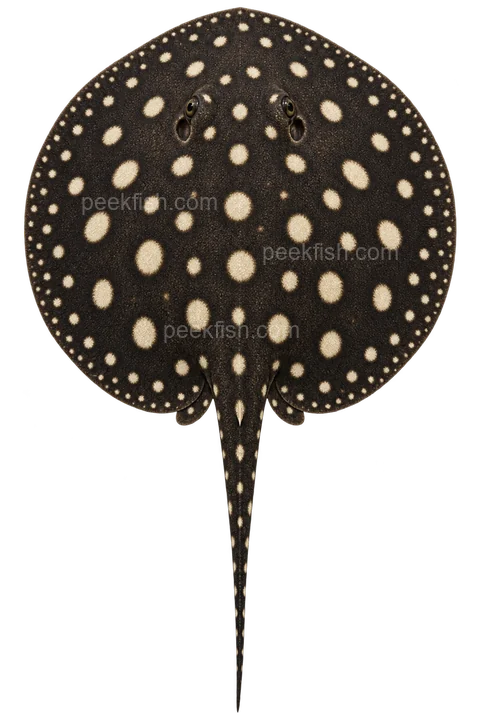
White-blotched river stingray30–40 cm disc in one source · can grow largerCreamy spots stand out against a dark disc in this Xingu basin ray.
Compare motoro and leopoldi markings, understand the two image views, and check what a ray measurement actually describes.
Read the full guide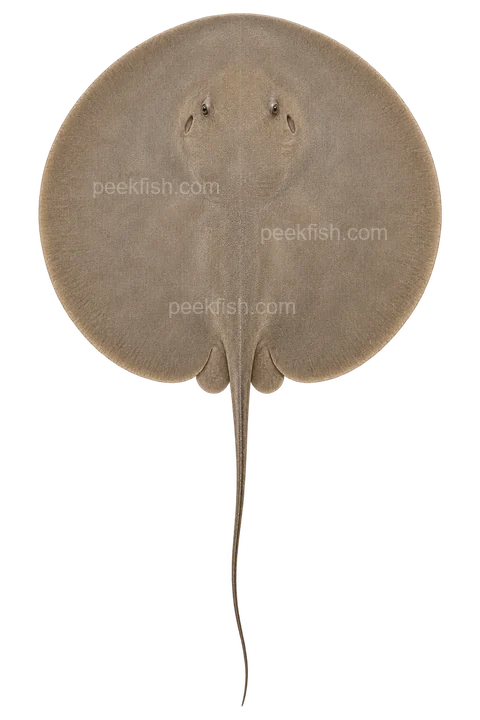
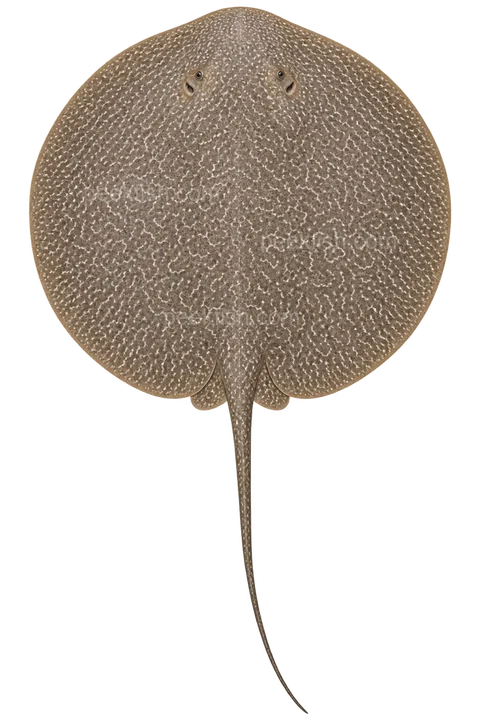
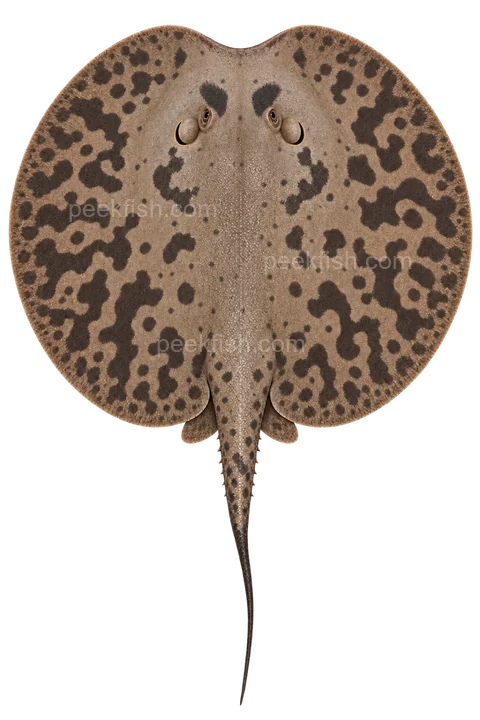
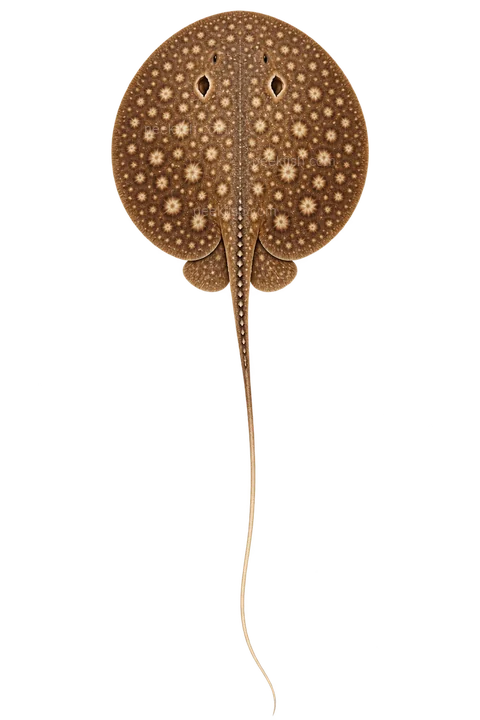
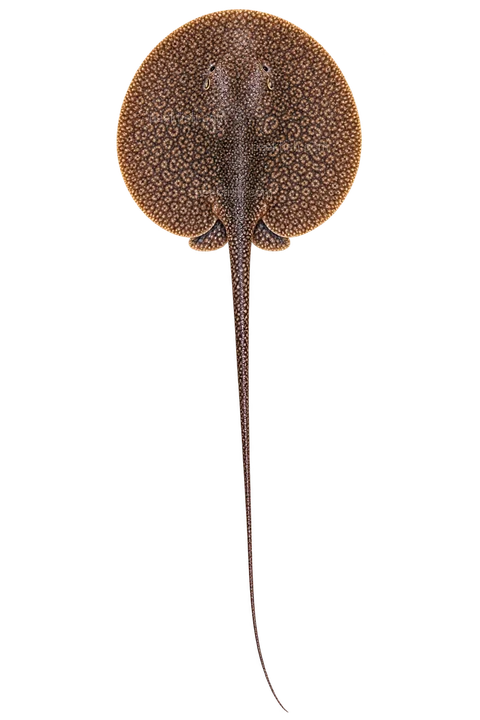
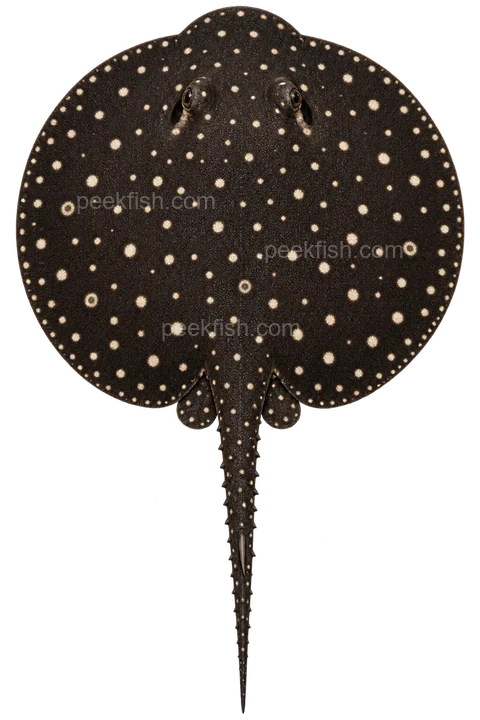
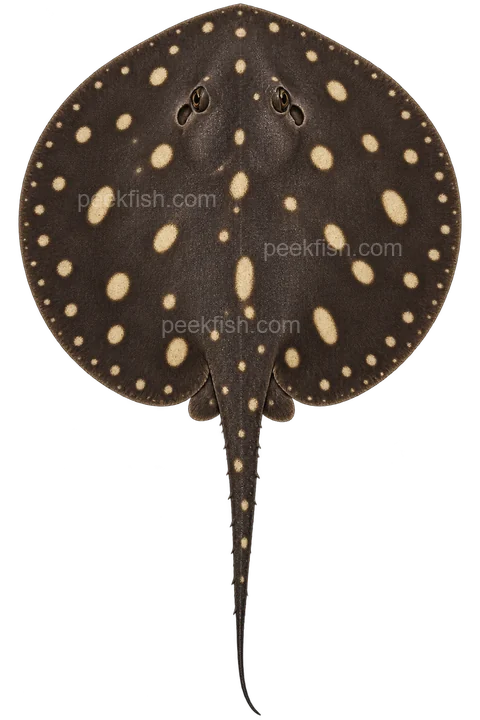
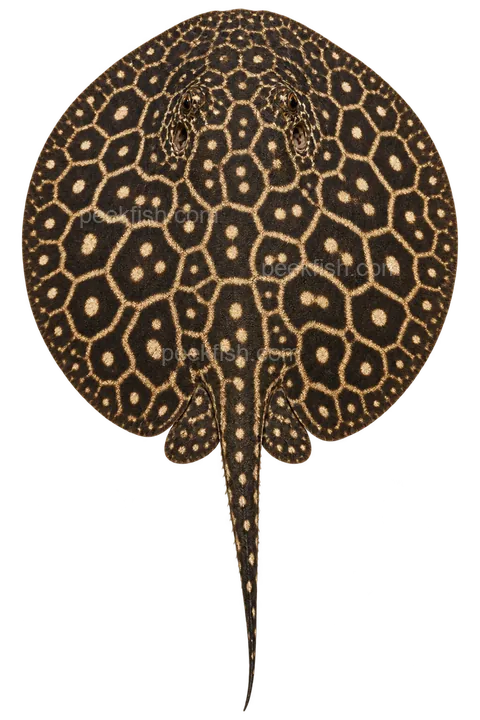
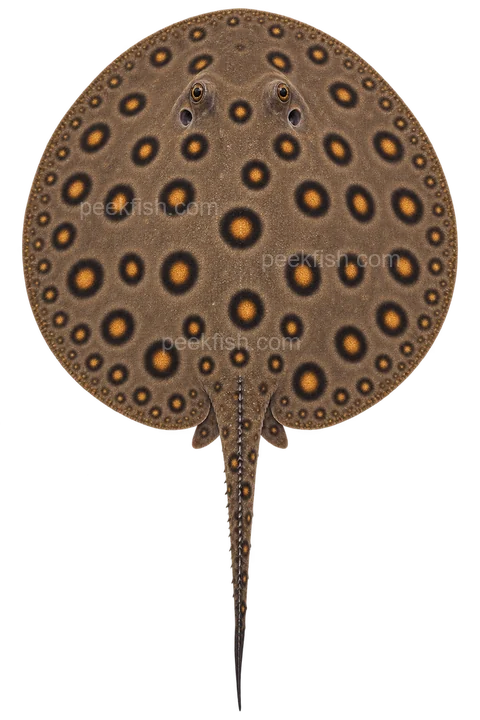
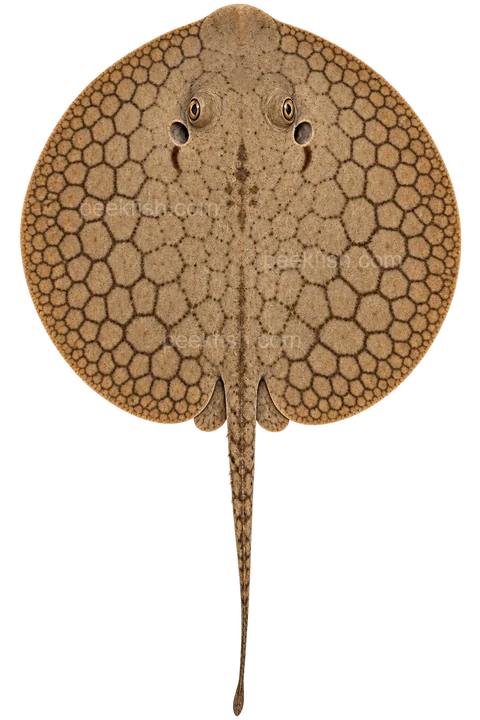
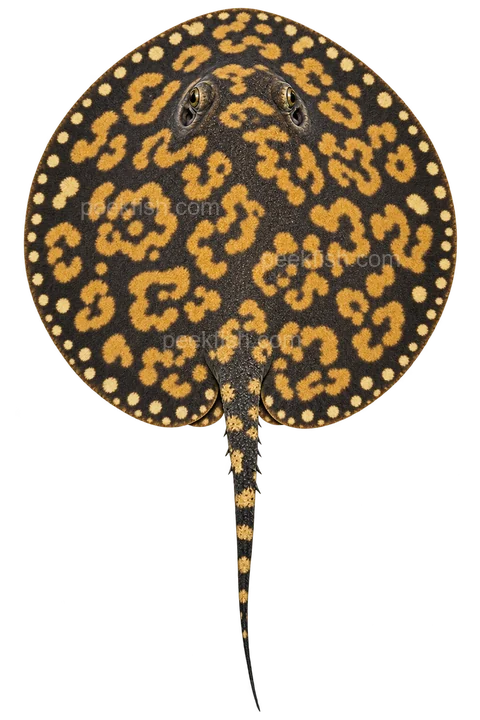
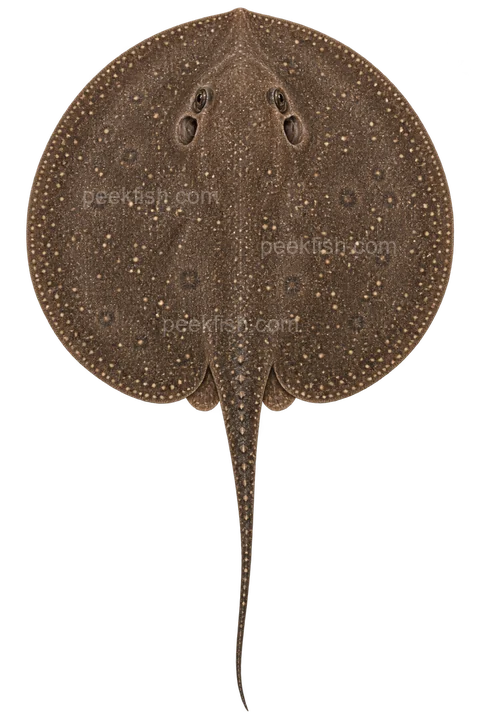
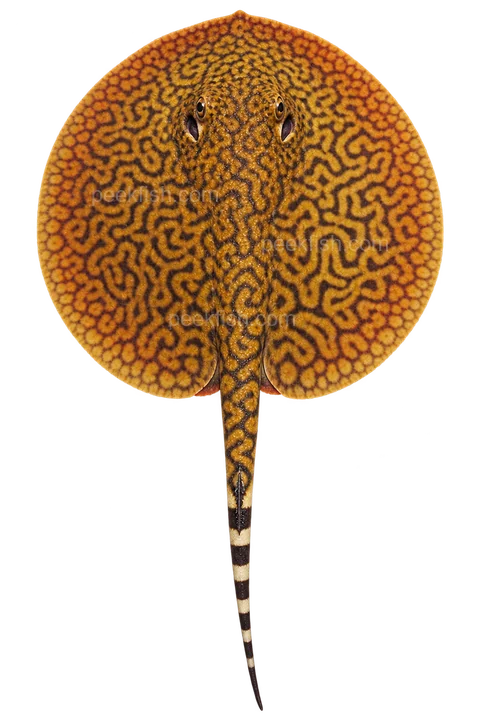
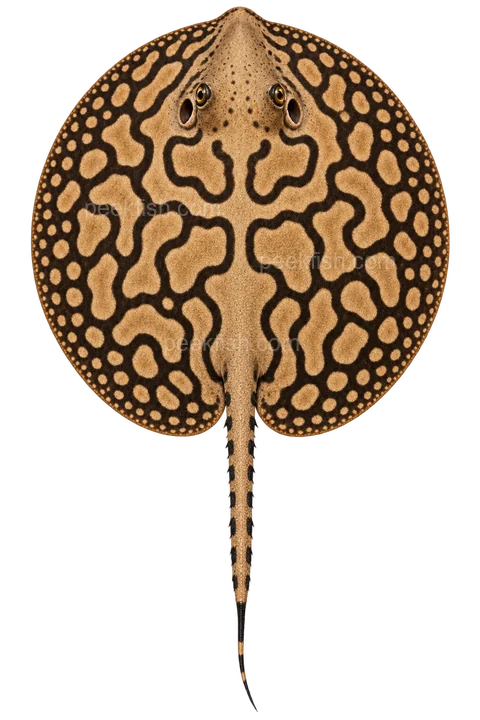
Potamotrygon motoro is described with orange spots surrounded by dark rings. P. leopoldi contrasts pale spots with a dark background. Use those patterns to find candidates, not as a complete identification rule. Record the centre and border of a spot separately from the background, then check the scientific identity and other distinguishing information.
The gallery uses a view from above to show the disc pattern and full tail. The virtual aquarium uses a side view of the same species for the scene. These are two asset uses, not extra species. Choose the view that answers your question, and do not treat a feature hidden by the viewing angle as absent.
Disc width, disc length and total length are different measurements. Check the unit, life stage and source before comparing sizes. Usable floor space also needs consideration when assessing an enclosure. This article does not estimate adult measurements from image proportions or convert the size of an aquarium exhibit animal into a minimum home tank.
The motoro reference identifies venomous tail barbs, a material consideration for keeping and maintenance. Practical handling needs reliable specialist guidance; this gallery is not a catching or hand-contact tutorial. Continue to the profiles for identity, size and sourced requirements. A calm virtual scene does not establish safe tankmates or adequate space, feeding and maintenance.