 EN ▾
 ZH
Badis and leaffish: colour, camouflage and feeding
One entrance, different fish
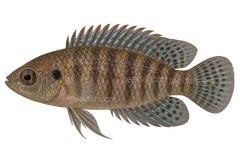
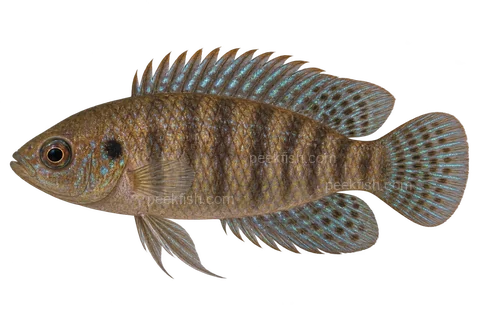
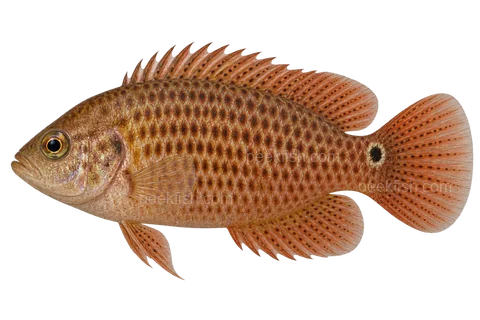
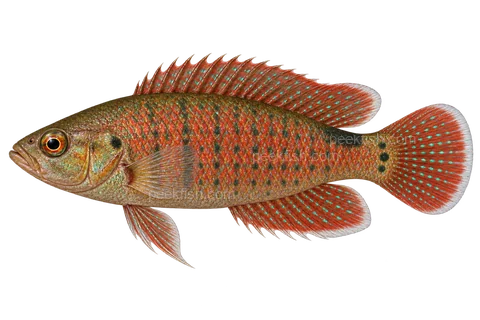
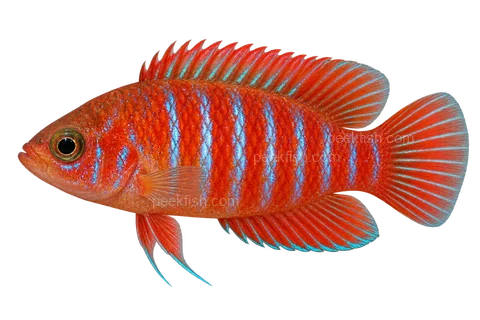
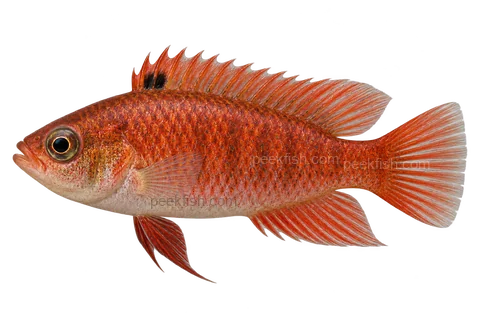
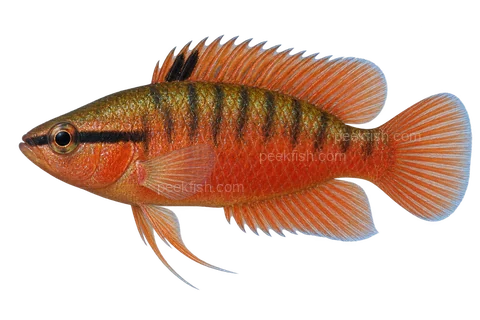
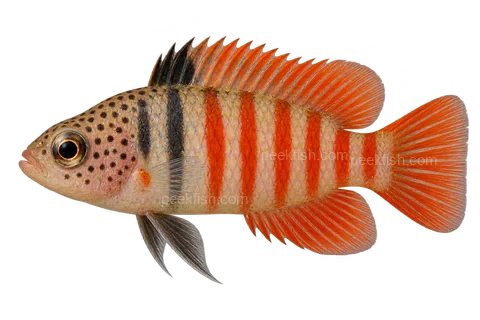
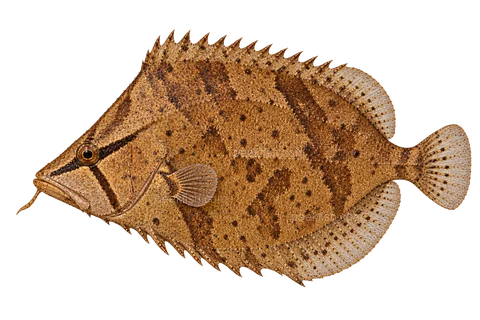
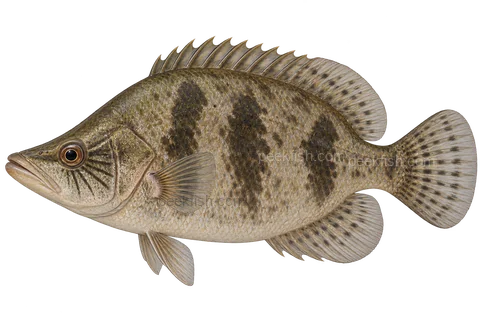
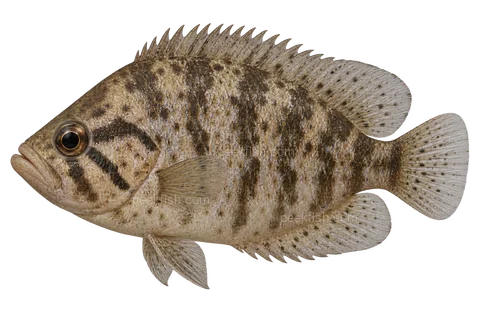
Dario dario and Monocirrhus polyacanthus share this browsing entrance for small predators with distinctive colour or camouflage. They are not colour forms of one genus. Start with body pattern and fins for the scarlet badis, or the leaf-like outline and mouth for the leaffish, then follow the scientific identity to its profile.
Bright scarlet badis images usually show males
Females are generally smaller and less colourful; mature males develop longer fins. Do not mistake those differences for separate species. Scarlet badis eat small animal prey and can lose feeding opportunities to larger or assertive fish. Rival males also defend territories, so small body size does not remove the need for cover and social planning.
Drifting like a leaf can be hunting
South American leaffish resemble dead leaves, including a stalk-like projection on the lower lip. A head-down approach can be part of hunting. Slow movement does not establish safety for small fish. Compare outline and mouth before colour, and assess food supply and tankmates before selecting this species.
Check whether the fish actually gets food
After choosing an appearance, investigate food size, observed feeding and competition, then space and water conditions. Food entering the aquarium does not prove the intended fish ate it. Use the profiles below for different questions: sex and social relationships for scarlet badis, camouflage and predation for leaffish. Keep undocumented requirements unresolved.