 EN ▾
 ZH
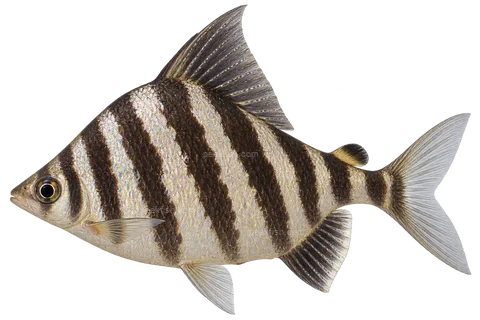
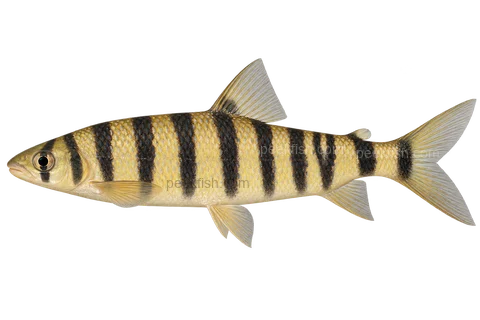
Marbled headstanderUp to 14 cm · 23–27 °CAn arched back and oblique dark bars create a distinctive silhouette
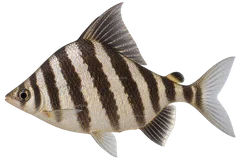
Explore beyond small tetras. Compare Metynnis argenteus and Pygocentrus nattereri by identity, food, plant impact and adult space.
Read the full guide
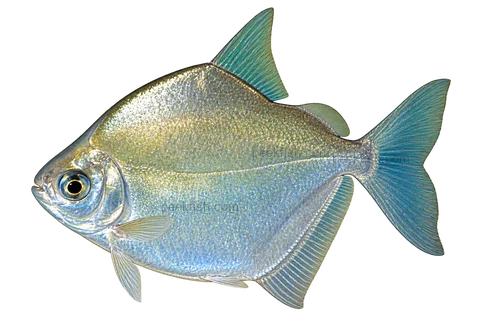
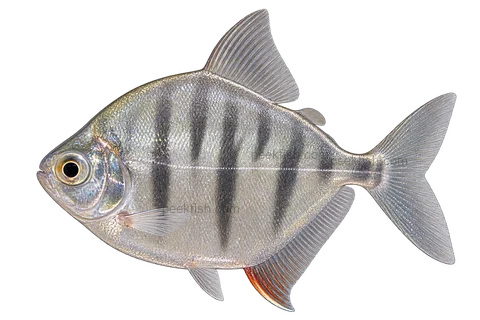
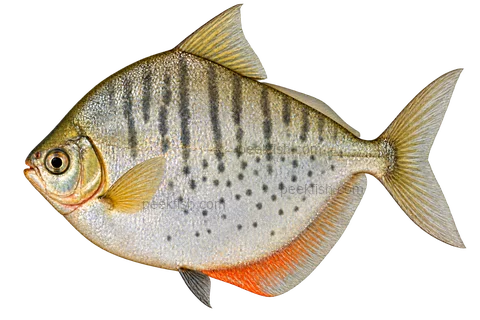
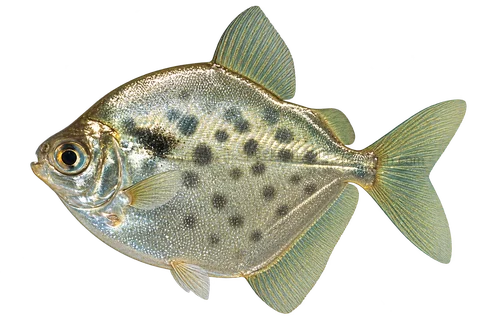
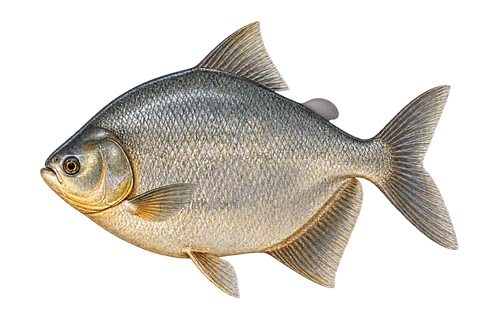
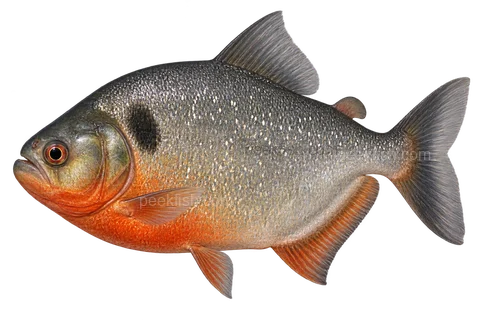
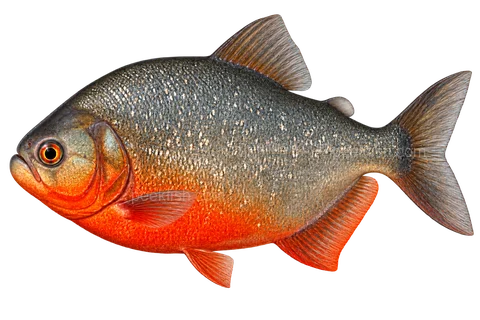
Small tetras have a separate entrance. Here, Metynnis argenteus represents fish sold as silver dollars, while Pygocentrus nattereri is the red-bellied piranha. A similarly flattened outline does not imply the same diet. Silver dollar is also a shared trade label, so confirm a scientific name before borrowing care advice.
Metynnis argenteus needs substantial vegetable matter and can consume aquarium plants. It may also eat much smaller fish. Plan for a group, adult swimming space and potential plant damage rather than the dimensions of a juvenile at the shop.
Red-bellied piranhas have red undersides and silver-flecked bodies. They are predators and scavengers, eating fish and invertebrates as well as occasional plant material. A varied diet does not remove predation or injury concerns. Wild schooling observations are not a fixed home-aquarium stocking prescription.
Ask three questions in order: which species, what food, and what adult space? Investigate plant impact for the silver dollar and predatory behaviour for the piranha separately. The profiles below support comparison, not a recommendation to combine them. Other gallery members require their own assessment.