 EN ▾
 ZH
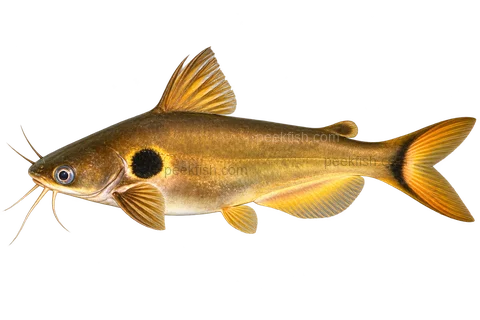
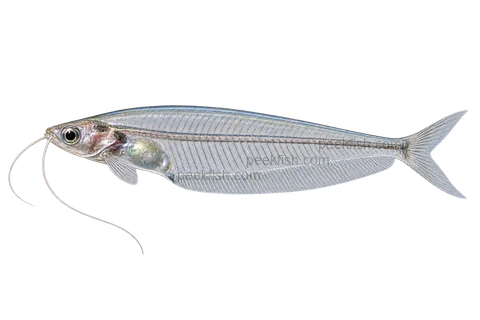
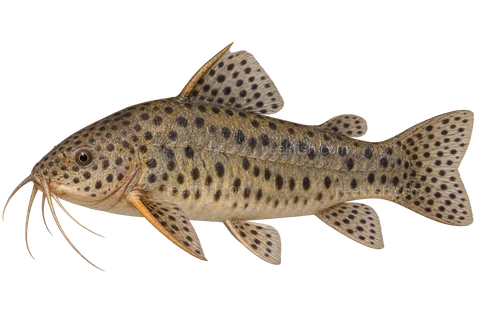
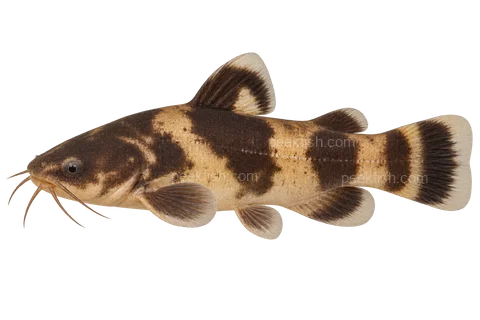
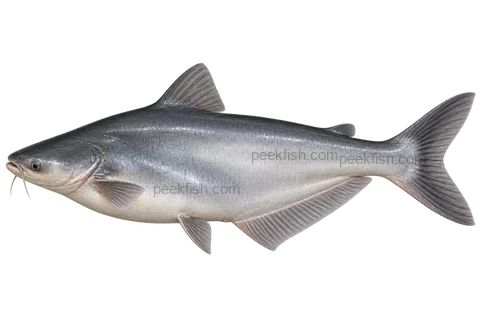
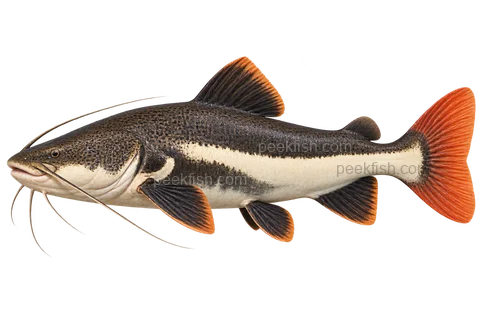
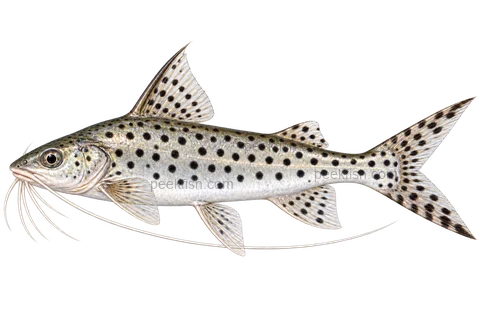
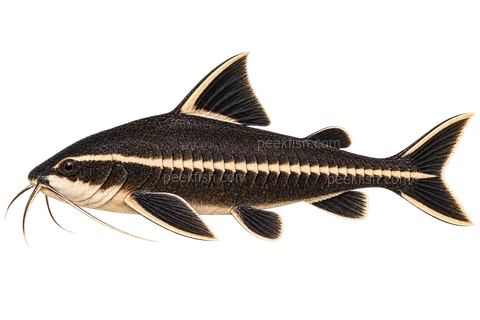
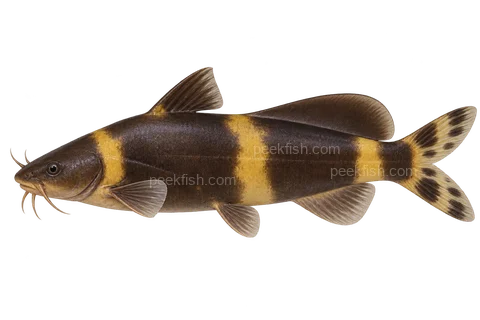
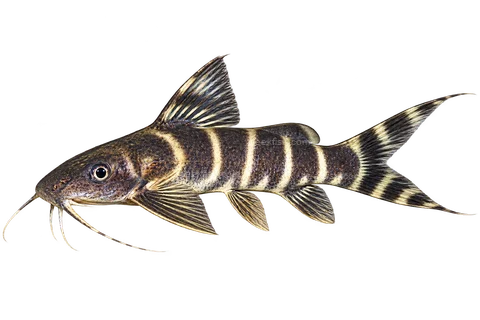
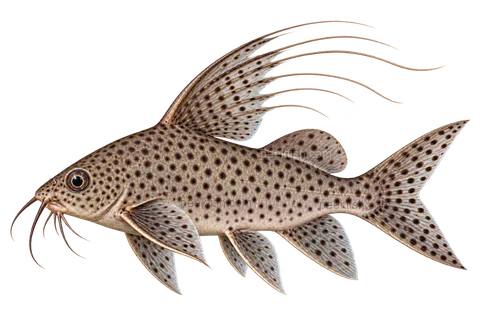
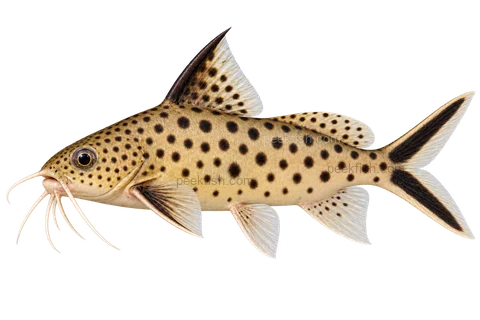
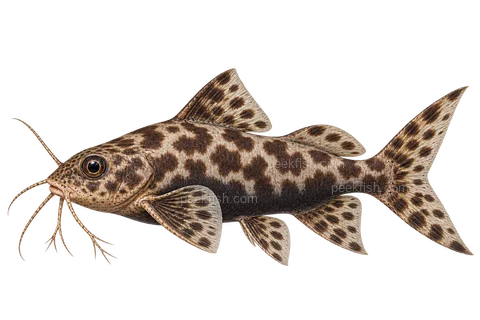
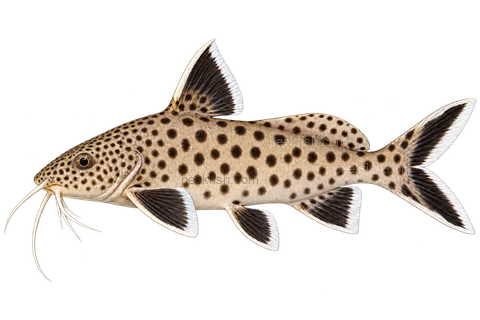
Aquarium catfish: glass catfish, red-tails and adult requirements
One gallery does not mean one care plan
This entrance gathers aquarium catfish outside the cory and pleco galleries. It is not a single genus or a set of interchangeable tankmates. Kryptopterus vitreolus and Phractocephalus hemioliopterus illustrate the contrast. Confirm a scientific identity before transferring any social, feeding or space advice.
Glass catfish identity matters when reading older advice
The transparent fish here is Kryptopterus vitreolus. Older accounts often misidentified it as K. bicirrhis or K. minor; those are not simply synonyms. It needs a group and a mature, sheltered aquarium with subdued conditions. Boisterous larger fish can also outcompete it for food. Its appearance is not a reason to keep a solitary decorative specimen.
Plan for an adult red-tail before buying a juvenile
Red-tail catfish become very large, requiring extensive swimming room and effective filtration, and may swallow smaller tankmates. Without facilities for lifetime care, present juvenile size is not a sound basis for choosing one. Compare the adult commitment before the juvenile photograph.
Use the profiles to answer different questions
For glass catfish, investigate the group, environmental stability and observed feeding. For red-tails, start with adult accommodation and predation. Appearing together in a gallery is not a compatibility recommendation. Other members also need their own assessment; save the appearance you like alongside the unresolved condition that matters most.