 EN ▾
 ZH
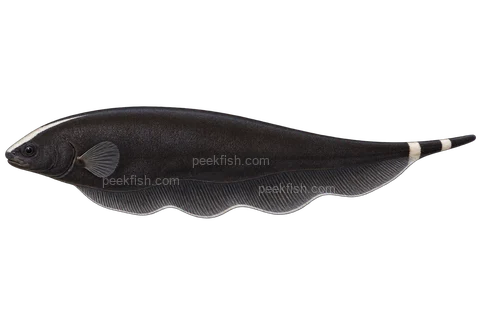
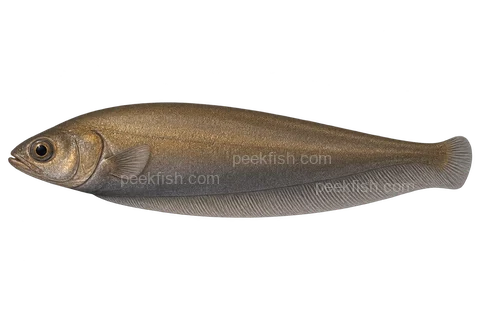
Black ghost knifefish50 cm TL · source record; typical adult TL unknownBlack knife-shaped body, a pale forehead line and two pale tail rings; a long anal ribbon fin runs below the body, with no ordinary dorsal fin.
Explore black ghost knifefish and Senegal bichirs through movement and behaviour, then compare cover, escape prevention, surface access and adult space.
Read the full guide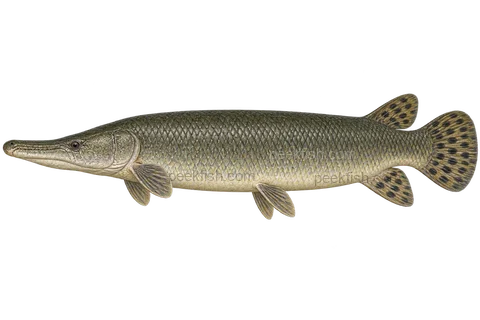
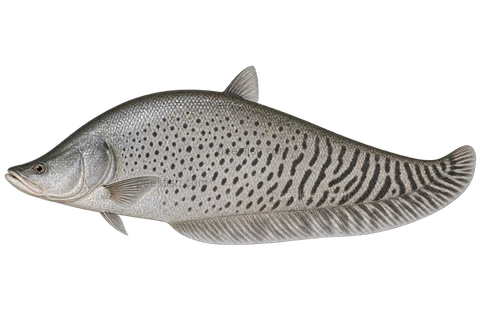
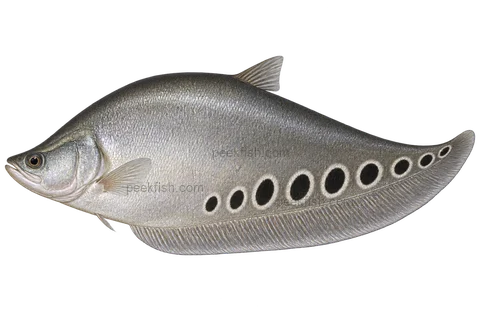
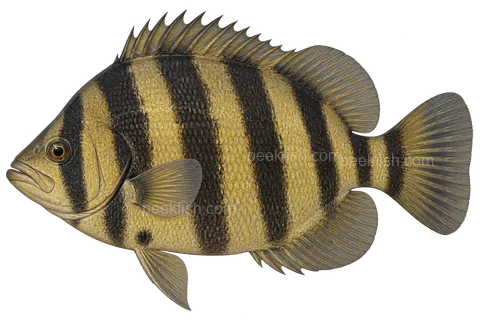
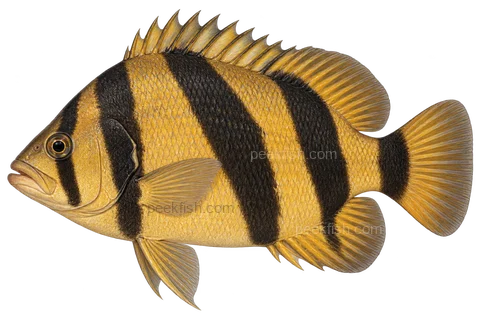
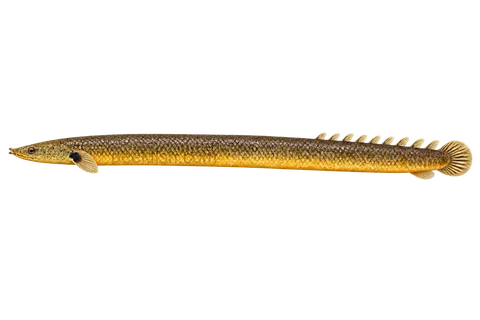
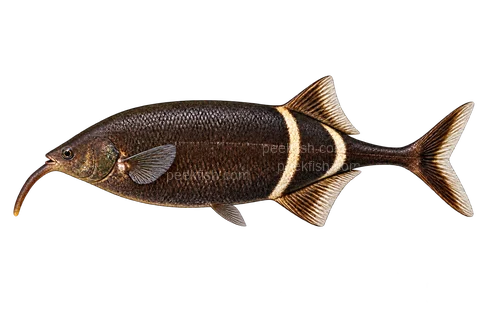
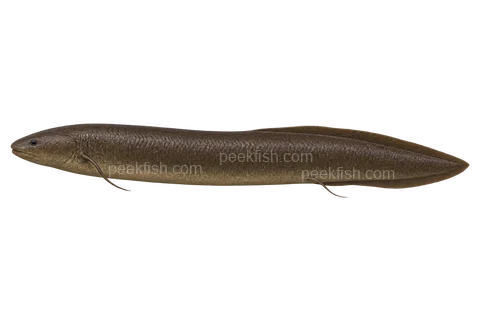
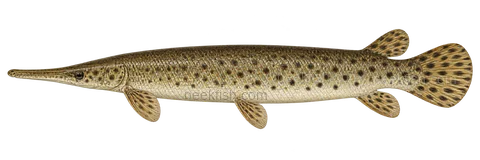
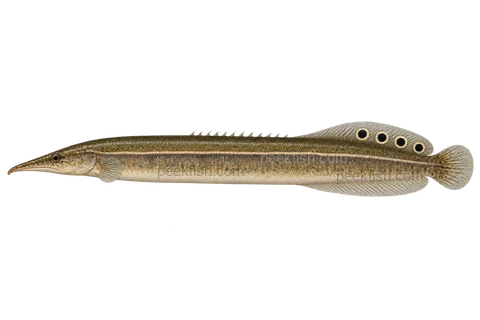
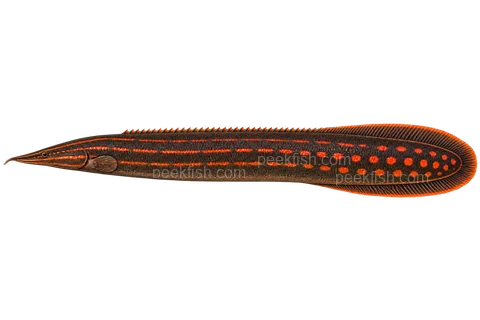
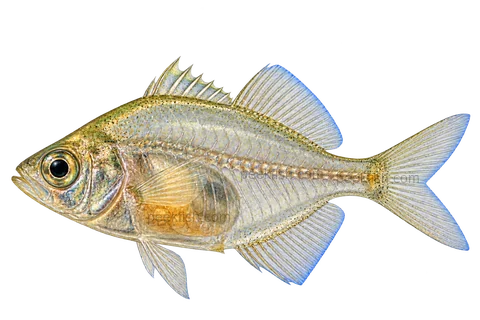
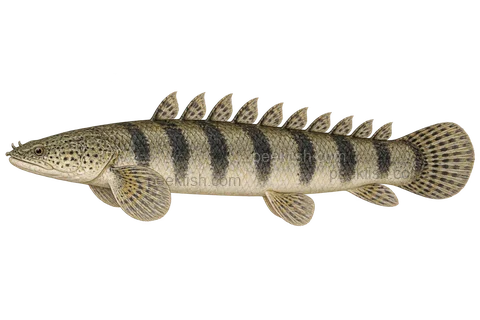
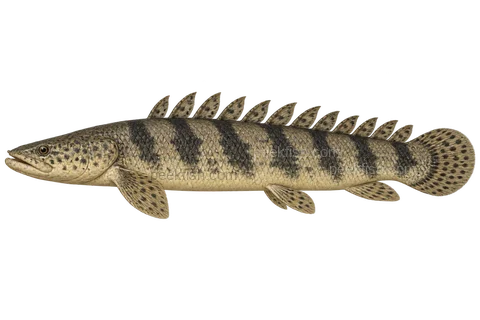
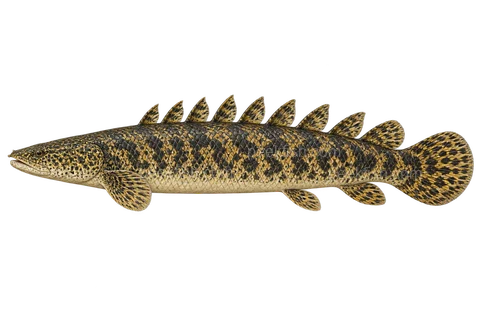
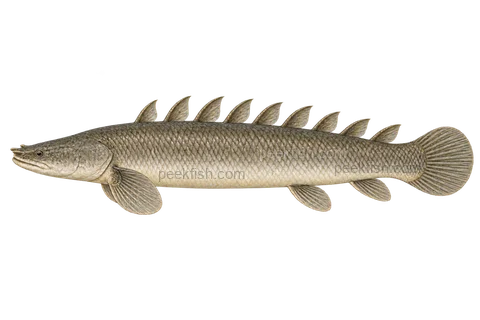
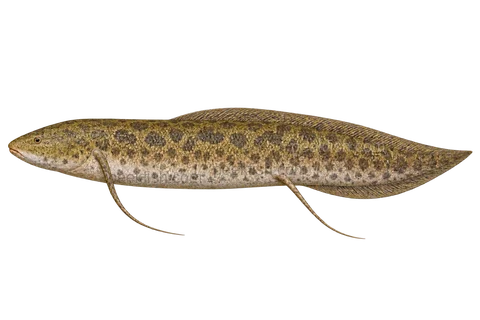
Knifefish, bichirs and other distinctive fish share this browsing entrance for readers who do not yet know a name. They are not one family with a common care plan. Apteronotus albifrons and Polypterus senegalus are two starting points; follow the scientific identity after recognising an outline.
Black ghost knifefish move with undulating fins and can swim backwards. They use a weak electric field to sense their surroundings and find food. Daytime visibility alone is not a complete assessment. Provide subdued areas and cover, plan adult accommodation, and account for small-fish predation and potential conflict with their own kind.
Senegal bichirs need usable bottom space and shelter while retaining access to air at the surface. Secure covers prevent escape; the layout must still allow ascent. This predator cannot be assumed safe with fish it can swallow. Consider food, adult size and usable accommodation together, rather than merely finding a cavity that fits the body.
Continue to the black ghost profile for its movement and cover needs, or the Senegal bichir profile for space, breathing and escape prevention. Their juxtaposition compares features. Other unusual fish still require individual assessment; bottom-dwelling or nocturnal labels cannot replace questions about diet, accommodation and tankmates.