 EN ▾
 ZH
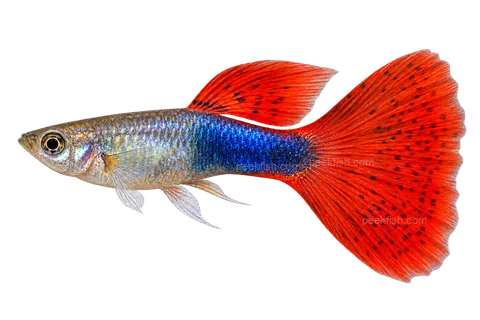
Guppy6 cm SL · source observationFancy males can have broad colourful tails; females and wild forms look different.
Guppies and swordtails show why colour and tail shape are only part of identification. Compare adult requirements and plan for reproduction as well as appearance.
Read the full guide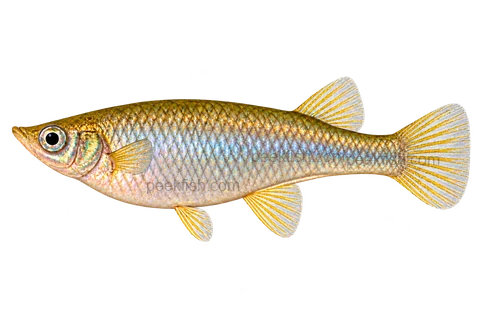
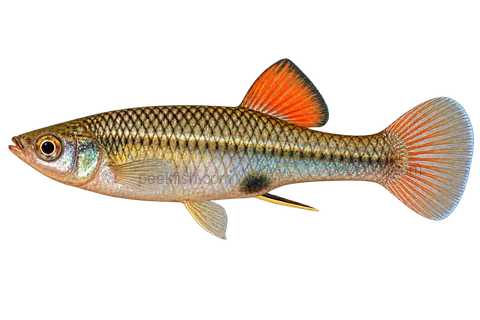
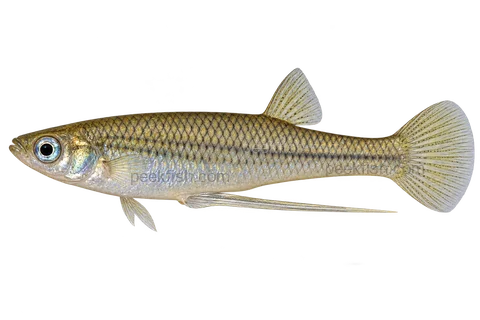
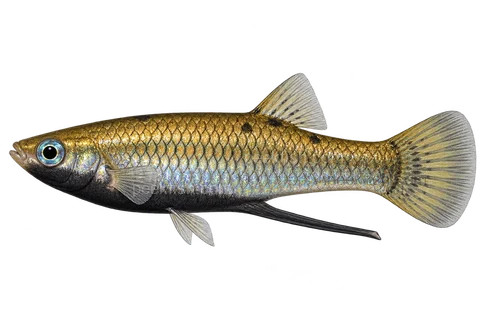
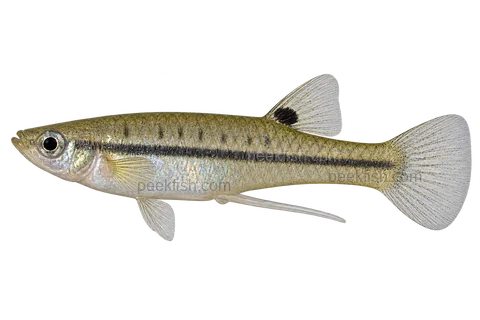
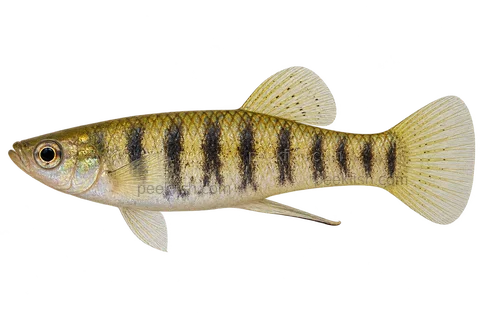
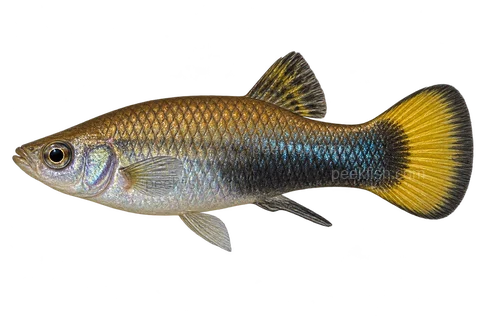
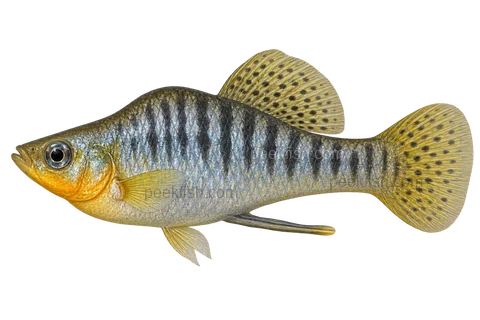
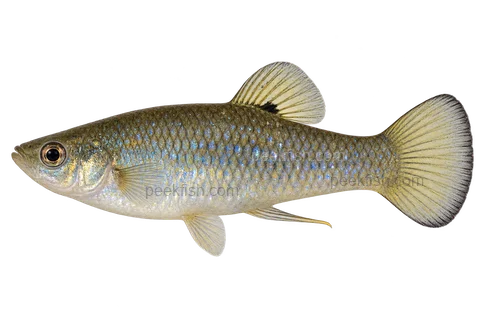
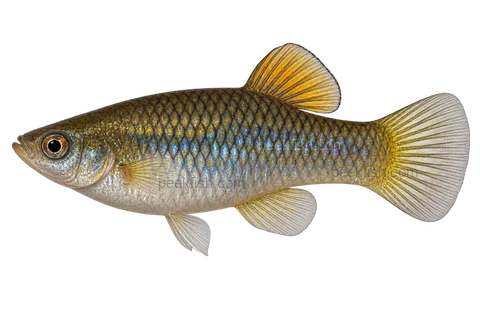
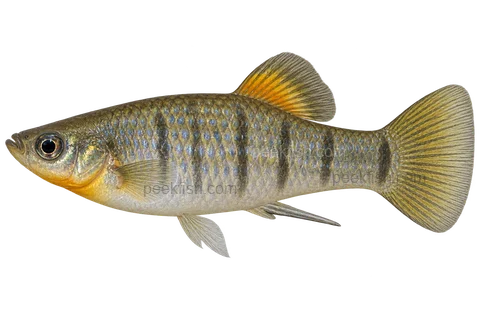
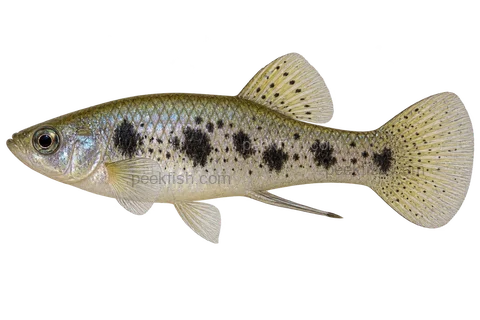
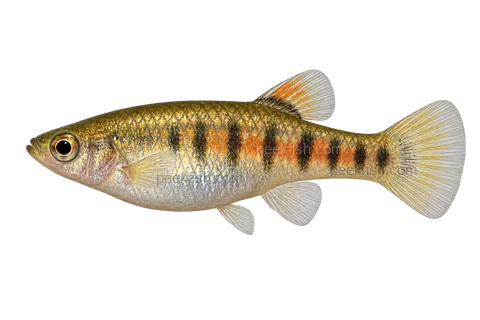
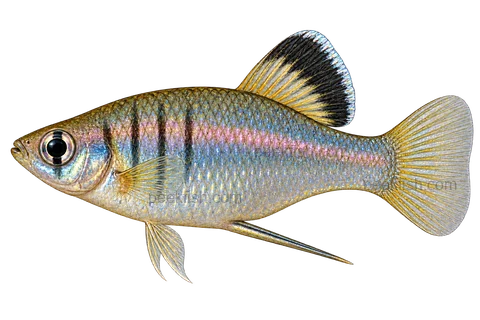
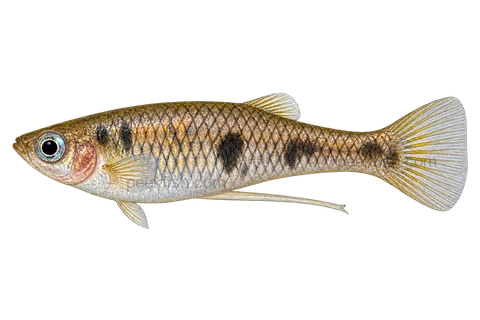
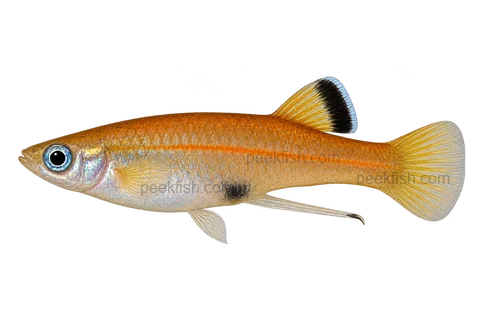
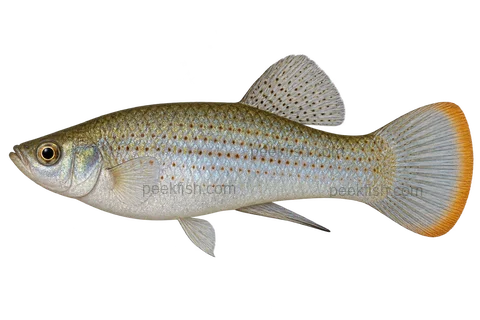
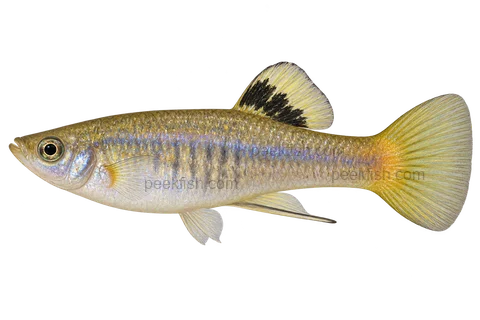
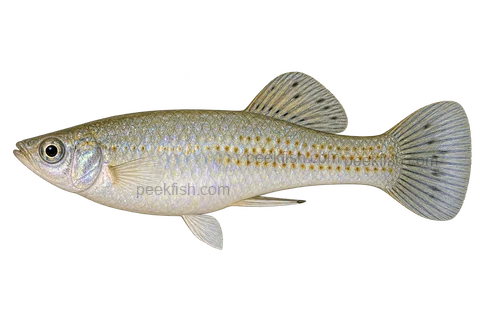
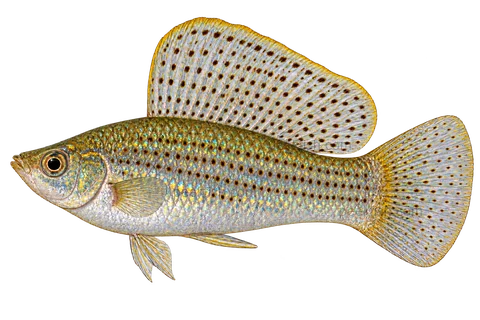
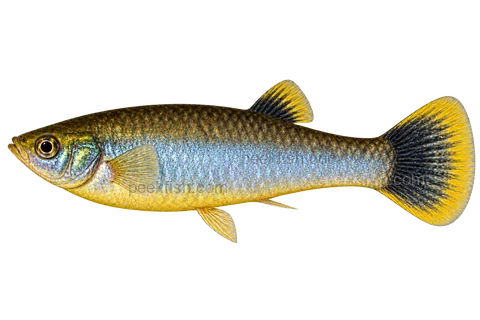
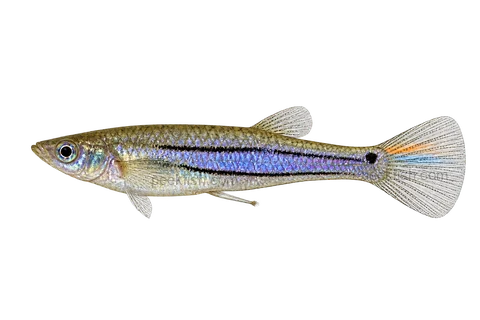
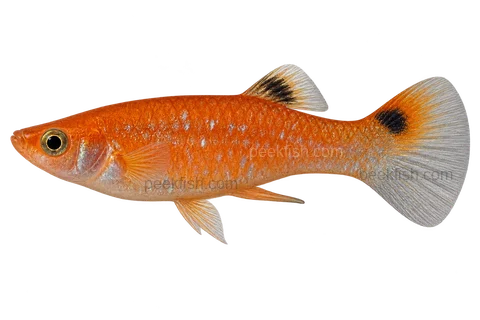
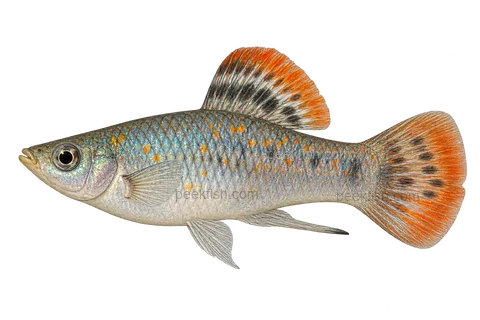
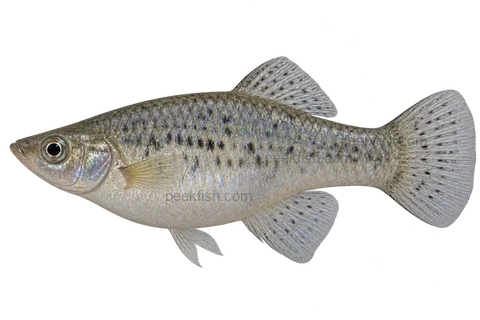
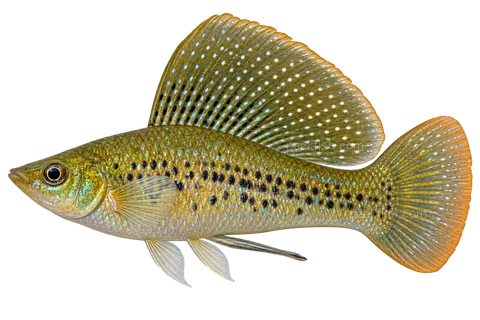
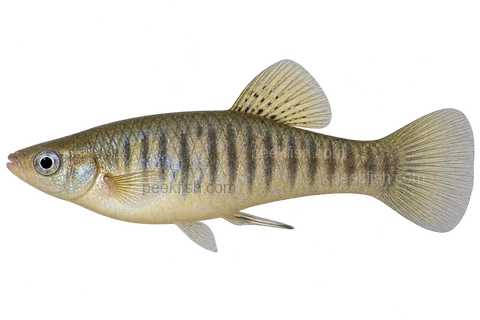
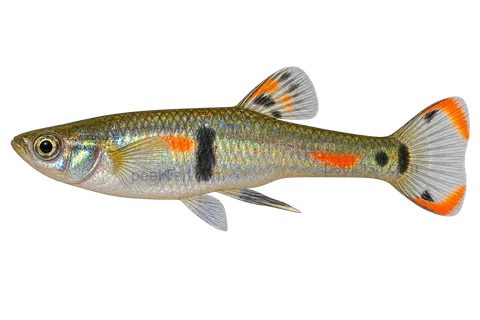
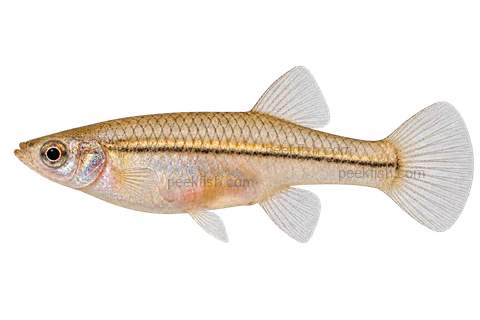
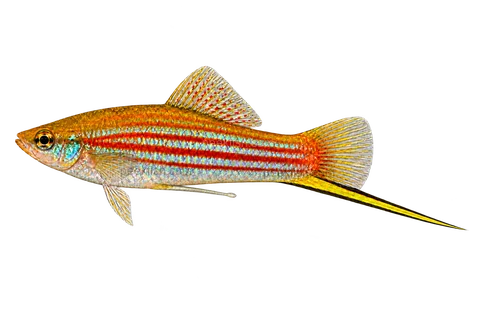
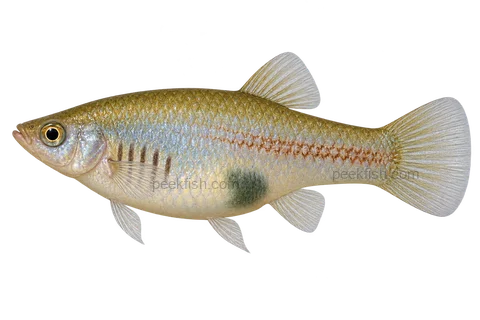
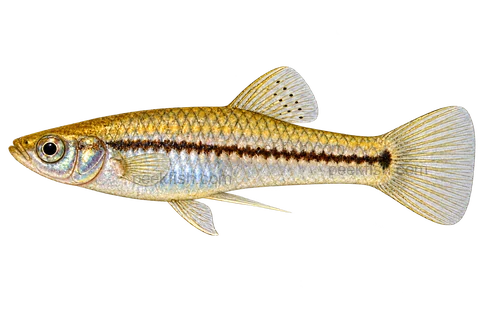
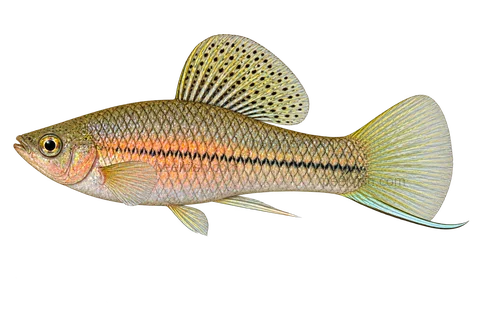
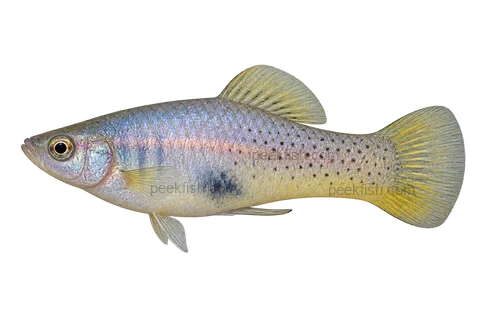
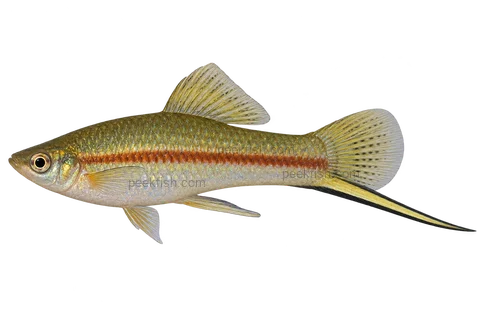
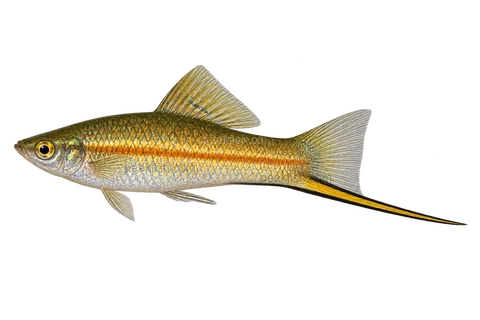
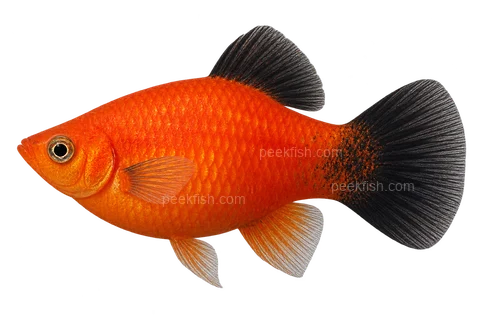
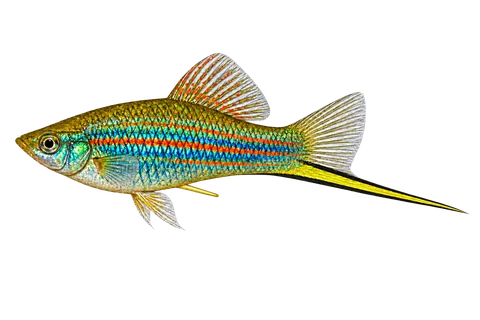
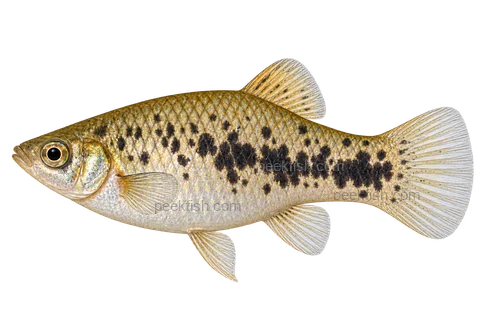
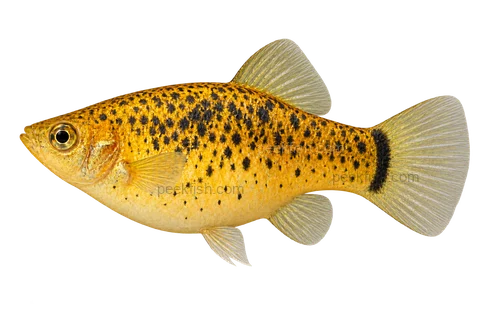
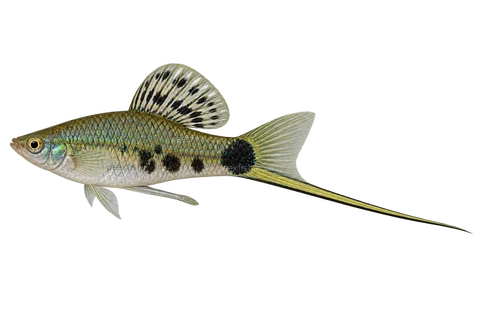
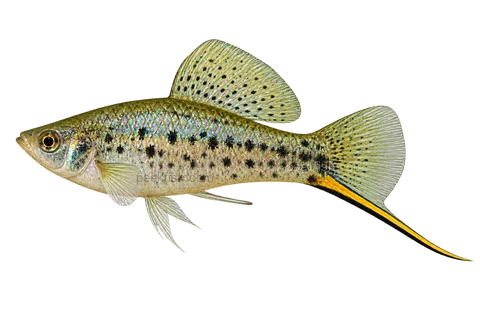
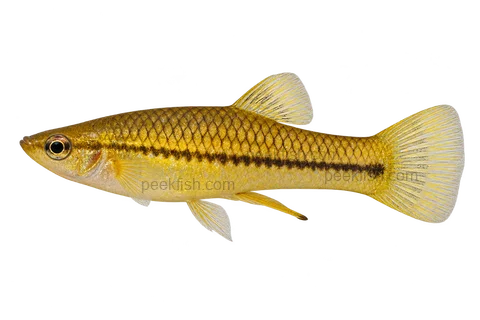
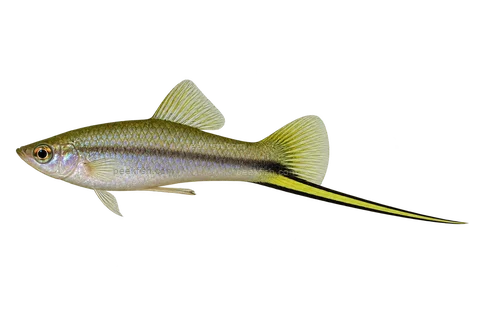
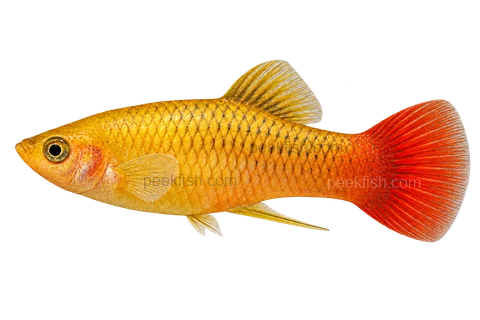
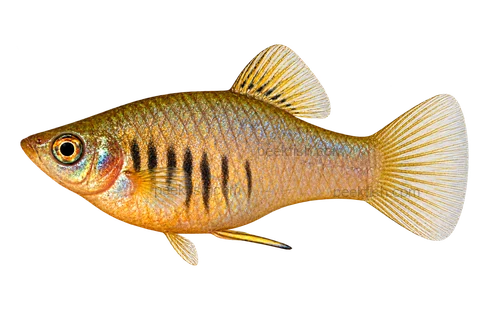
Guppies, swordtails and other livebearers have many sales names. This gallery uses species entries, with domestic colours and fin forms described separately. Check the scientific name after finding a familiar trade name. An uncertain hybrid or similar-looking fish should not receive a firm species identity from a single picture.
Selected male guppies often have conspicuous colours and extended fins. Females and wild forms need not resemble that familiar image. Compare body proportions, tail and anal fin rather than assuming a plainer individual is a different species. The adult male gonopodium is a useful sex character; tail brightness alone is not.
A typical adult male swordtail has an extension of the lower tail lobe. Females, juveniles and ornamental fin forms require more careful interpretation. Consider life stage, sex and domestic form together. Do not estimate its adult space from your impression of guppies: sharing the livebearer gallery does not mean sharing the same adult size.
For these reproducing fish, planning goes beyond how many individuals you bring home. Consider how offspring will be accommodated and how chasing, feeding competition and space will be managed. Compare adult information, water requirements and social notes before selecting candidates. A saved virtual aquarium records your visual arrangement, not the future capacity of a breeding population.