 EN ▾
 ZH
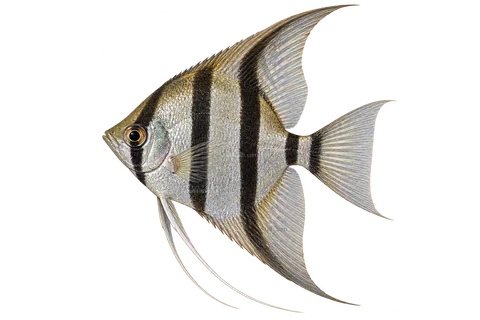
Freshwater angelfishUp to 10.5 cm · 26–30 °CBlack vertical bars and tall fins: aquarium height matters.
Compare South American angelfish with Lake Malawi yellow labs. Adult shape, water conditions and breeding behaviour matter beyond the cichlid label.
Read the full guide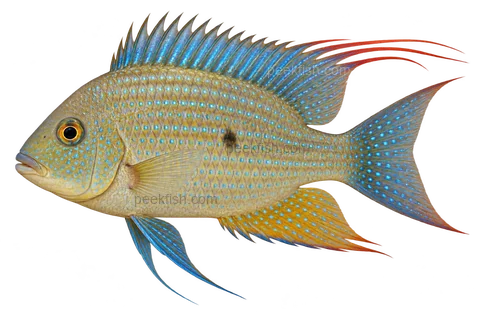
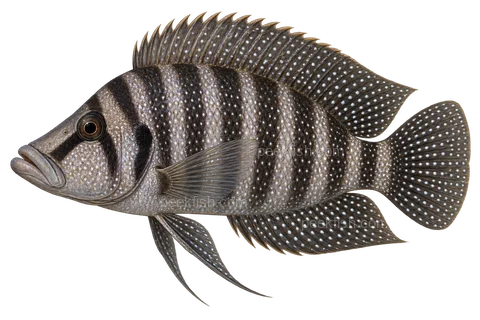
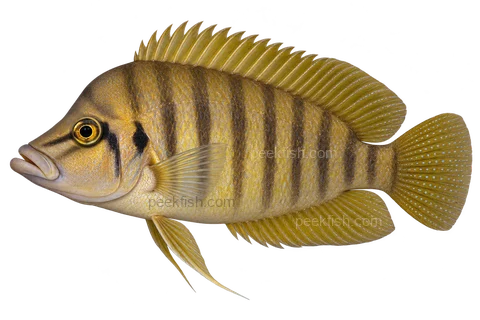
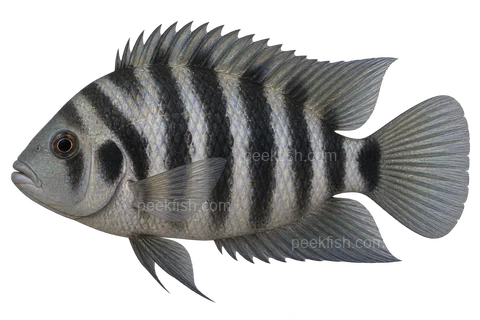
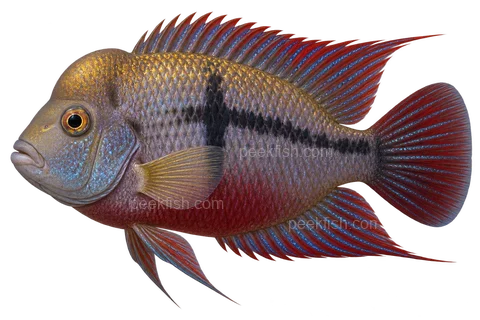
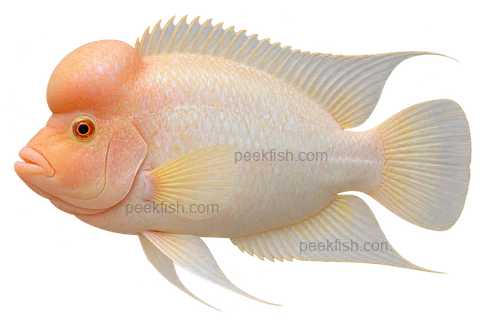
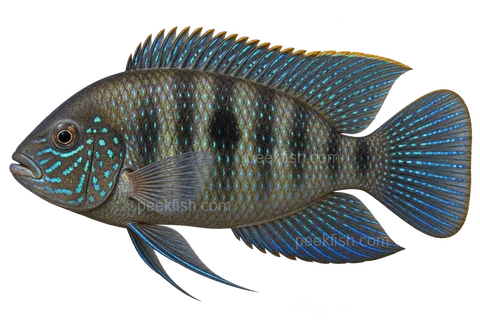
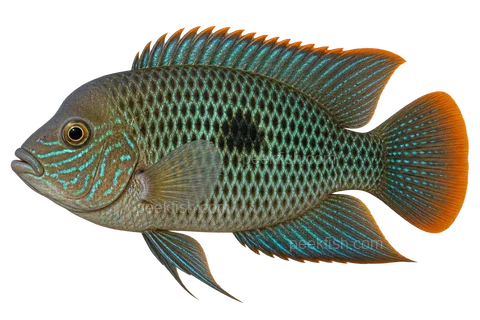
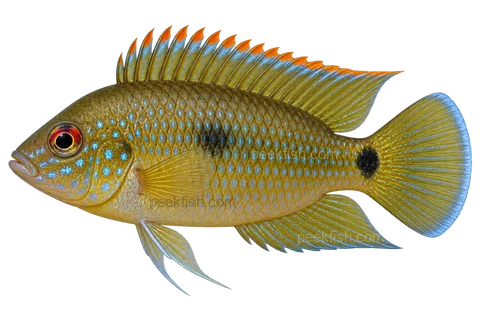
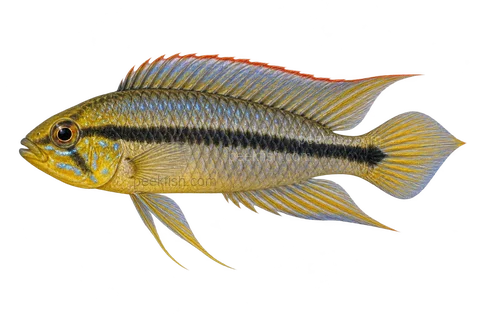
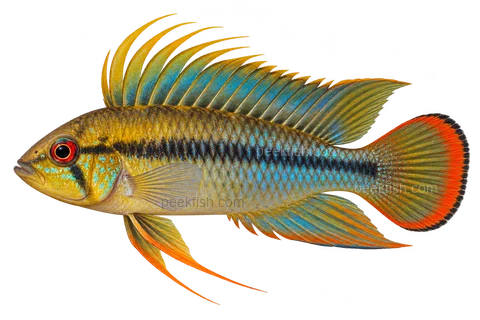
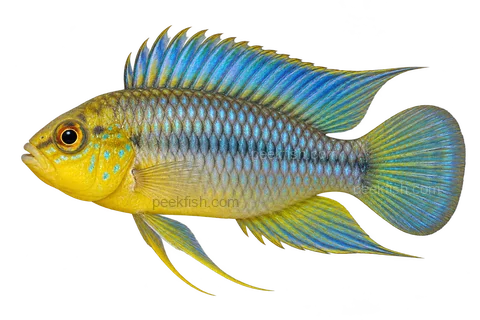
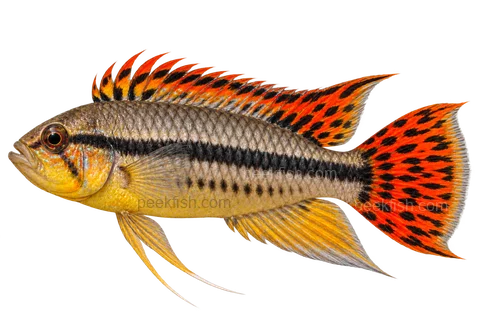
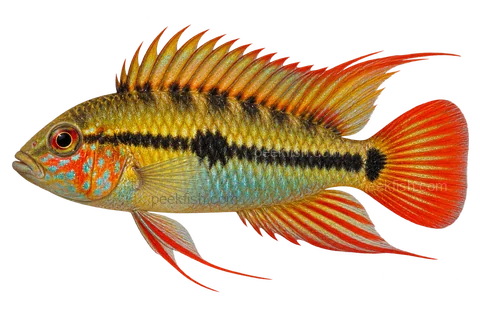
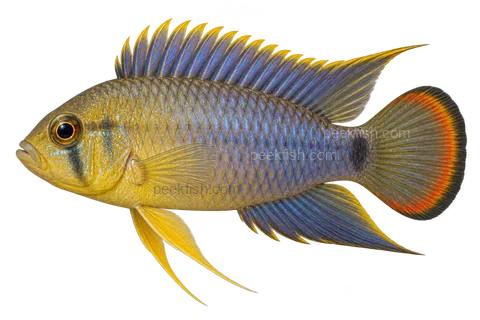
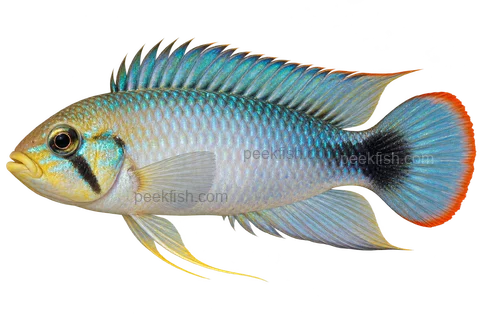
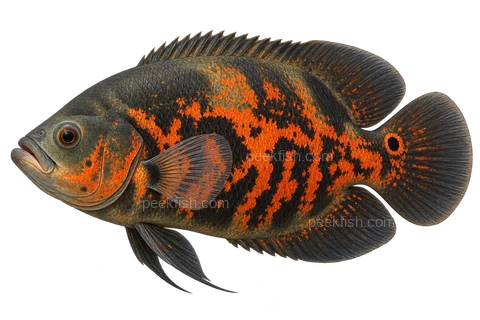
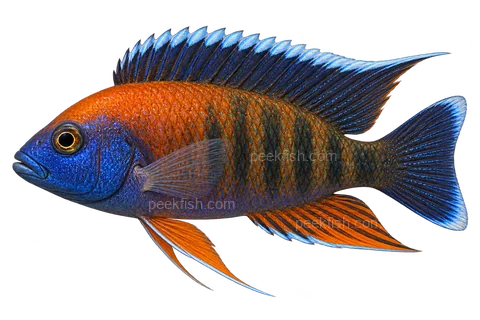
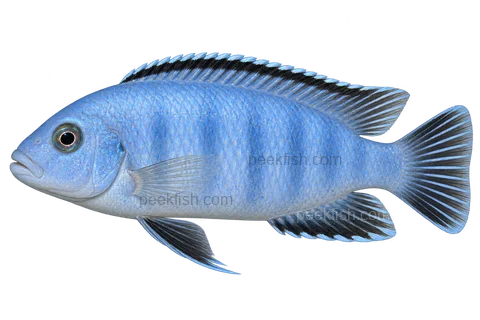
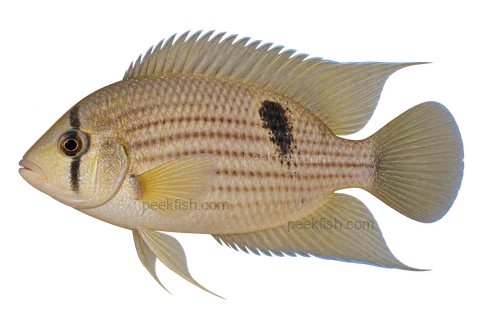
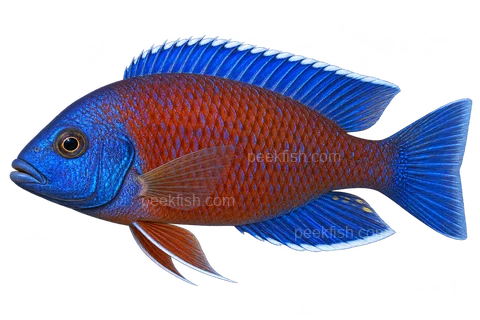
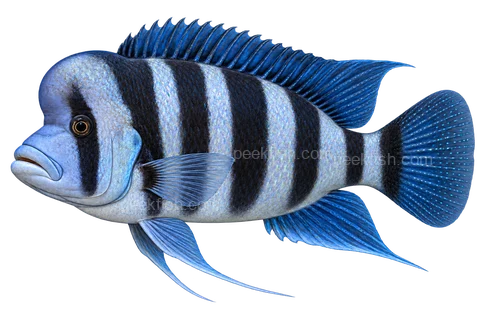
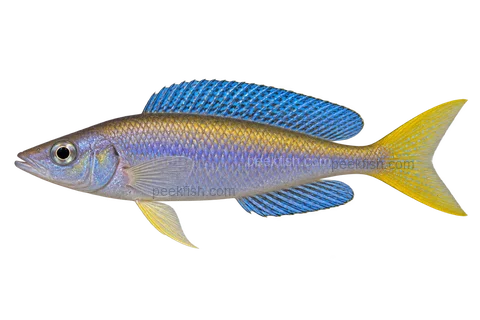
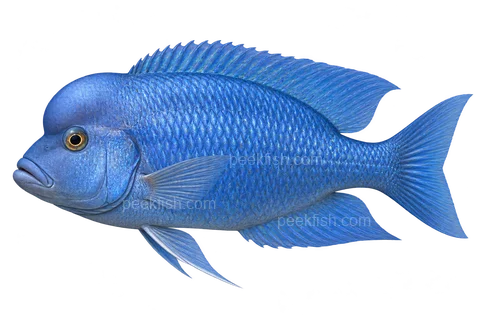
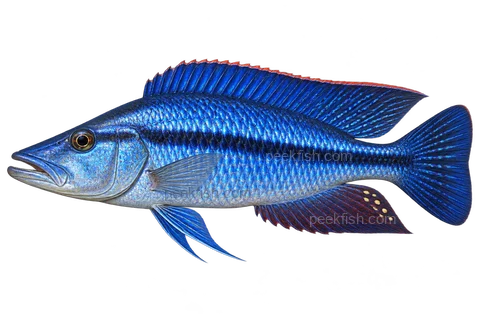
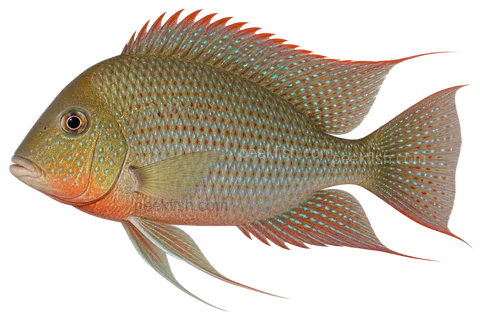
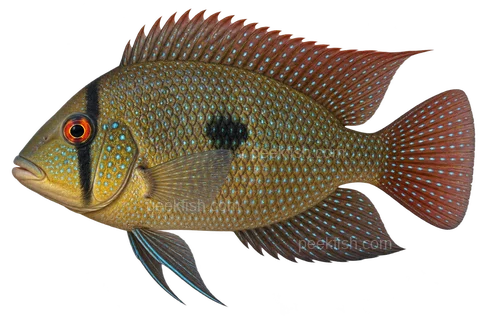
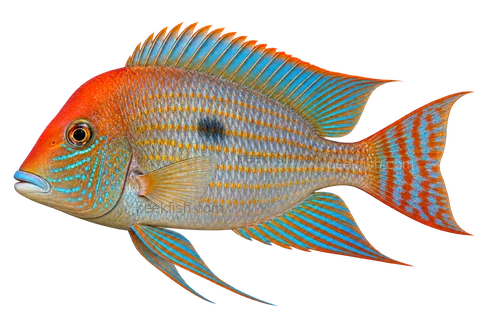
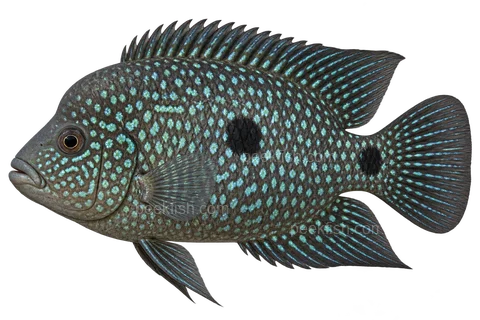
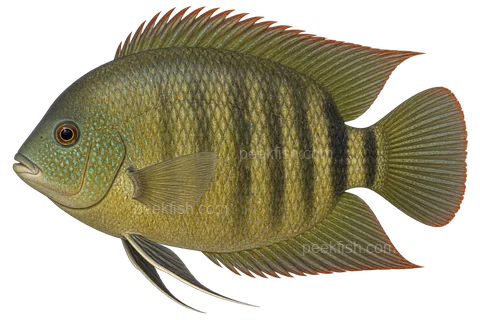
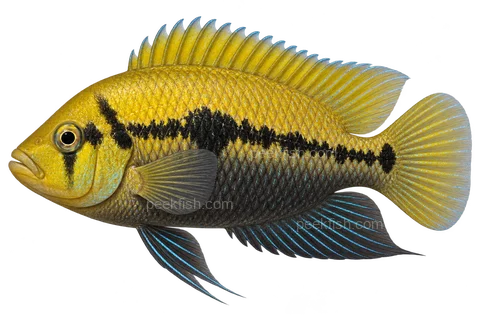
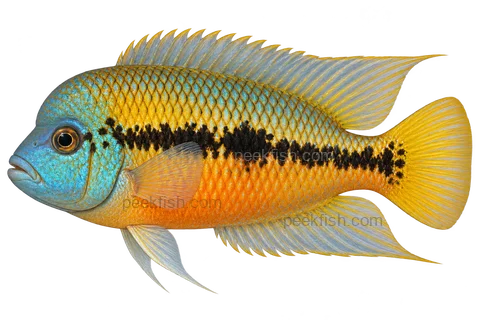
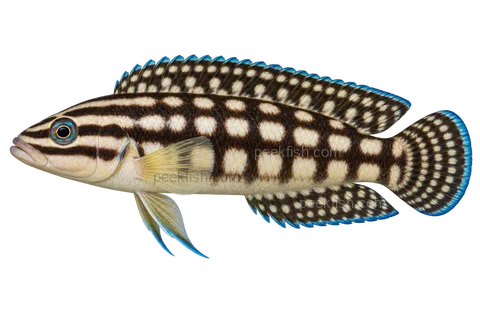
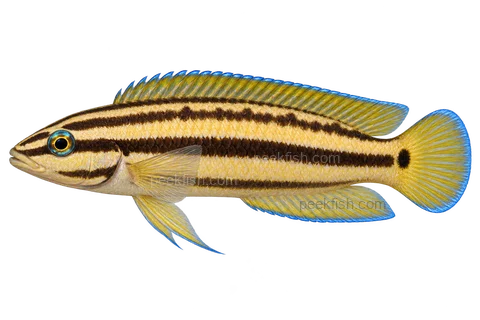
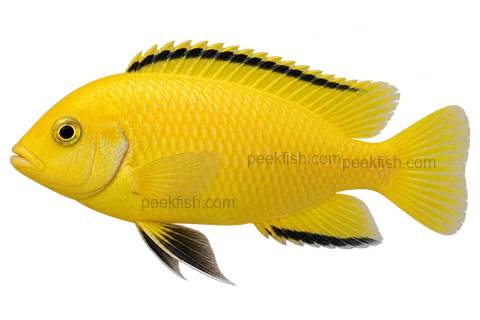
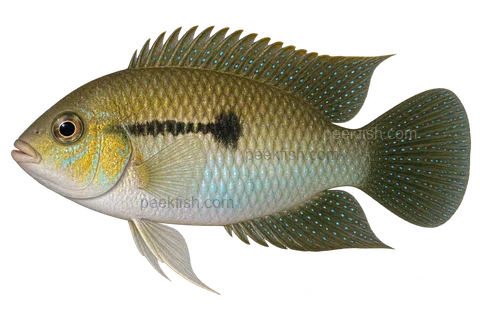
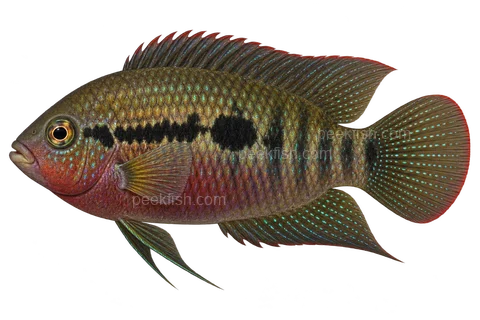
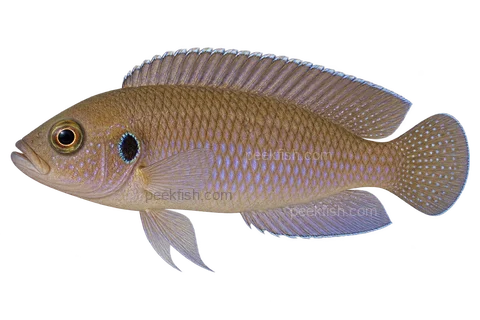
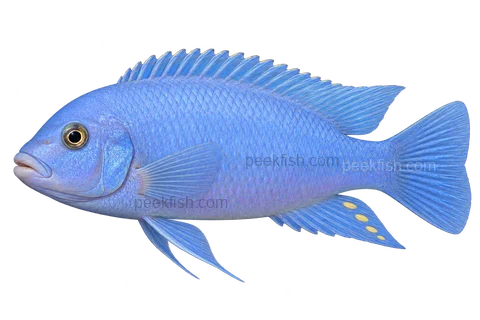
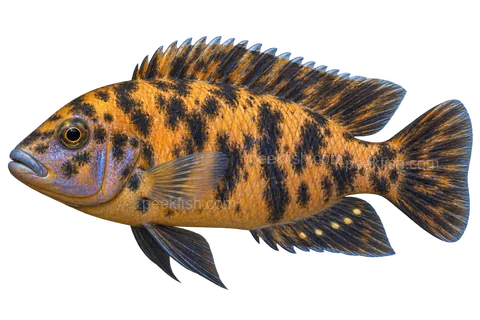
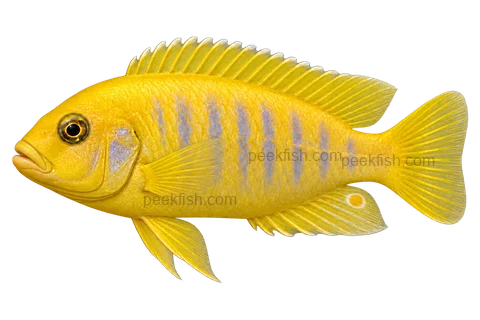
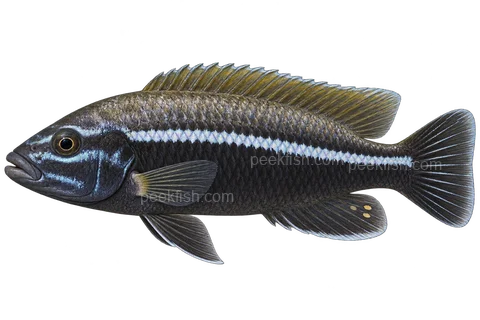
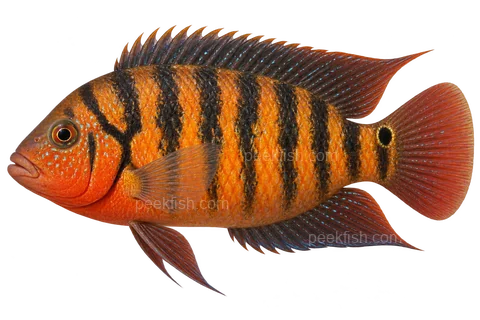
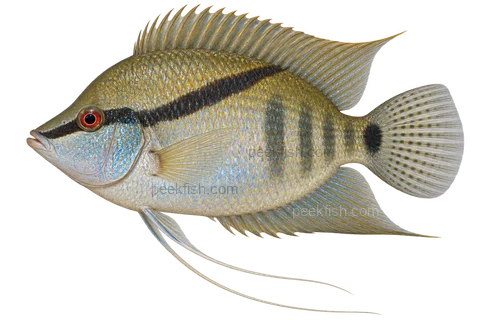
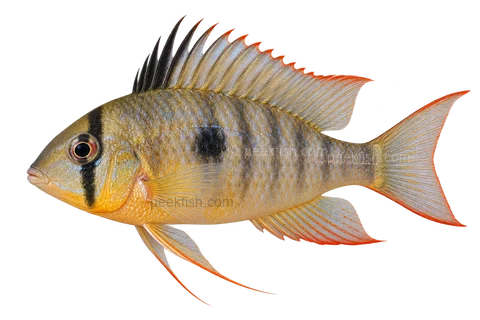
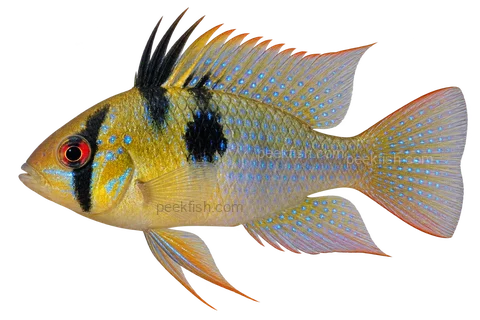
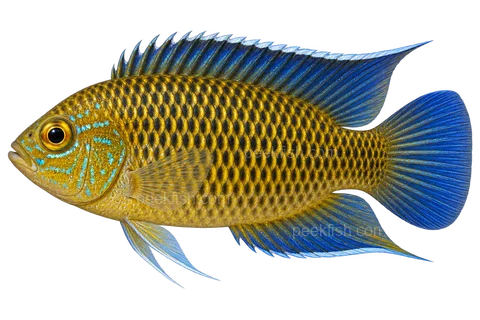
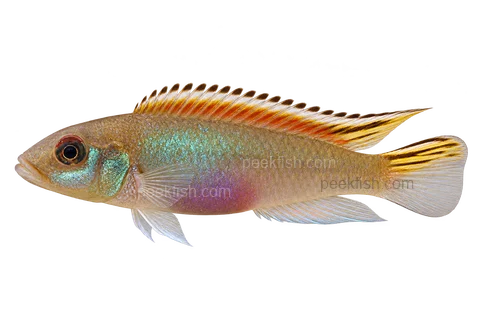
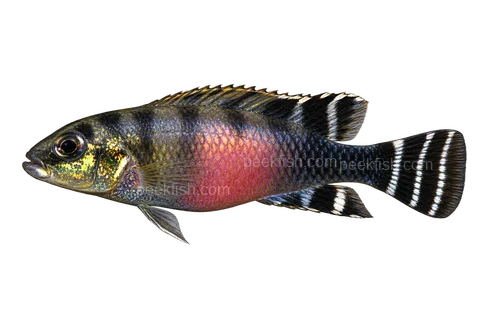
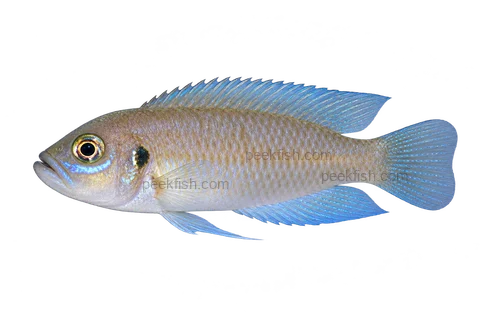
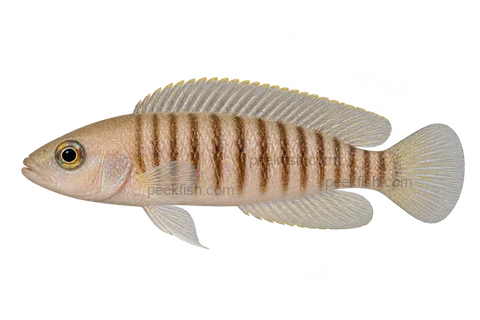
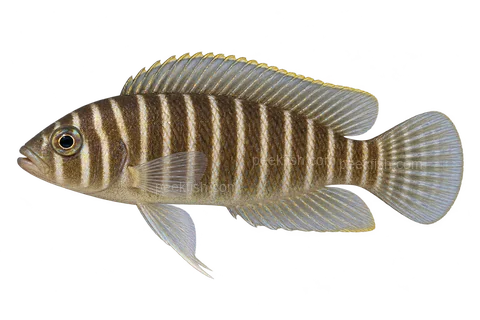
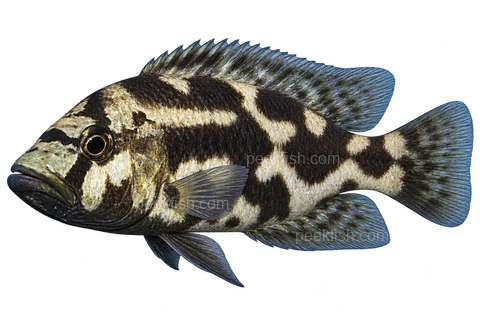
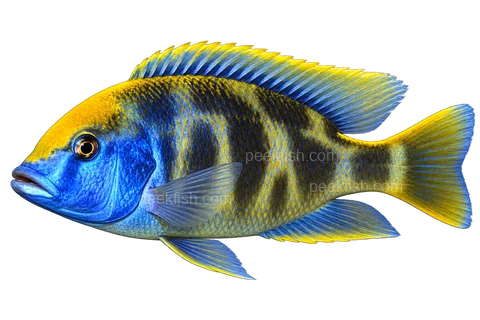
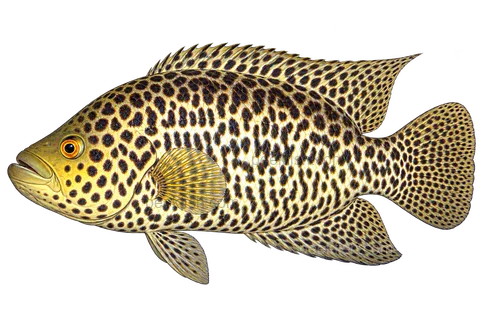
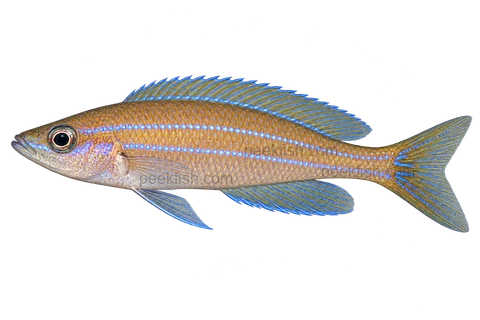
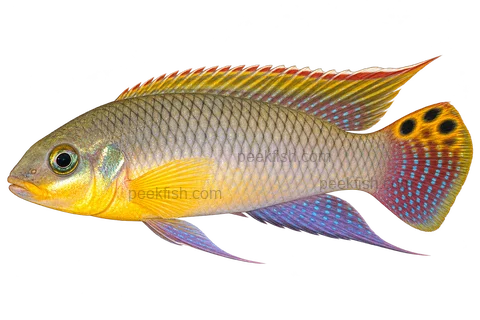
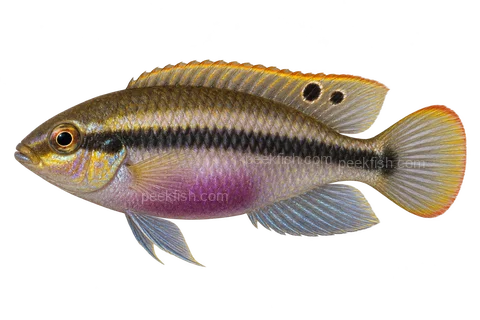
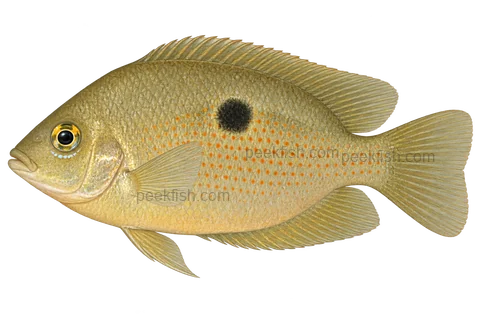
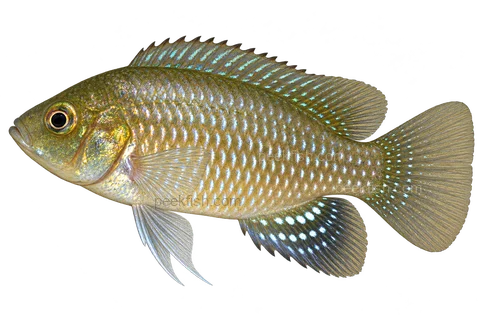
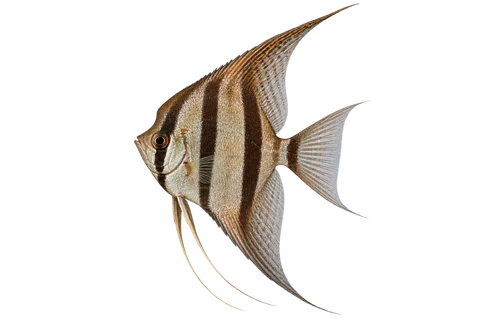
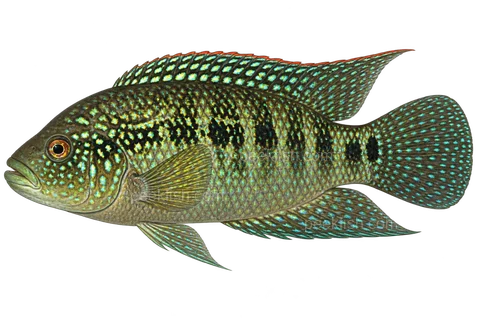
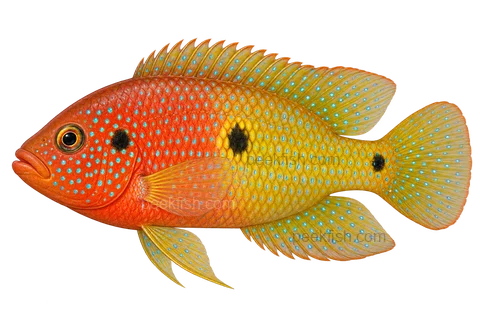
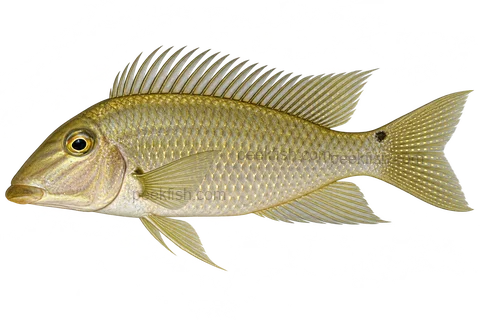
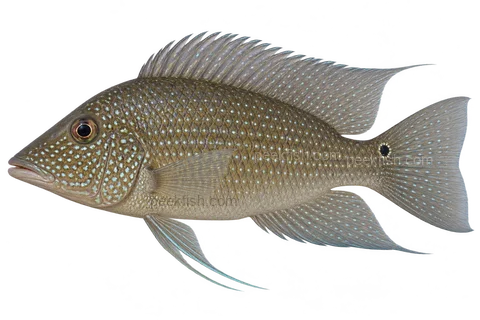
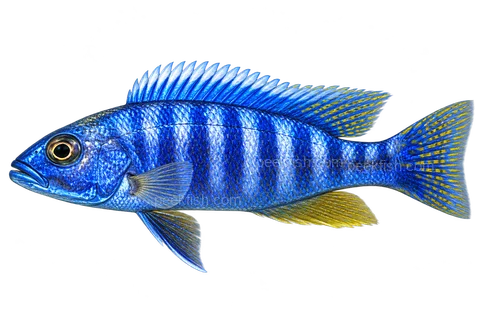
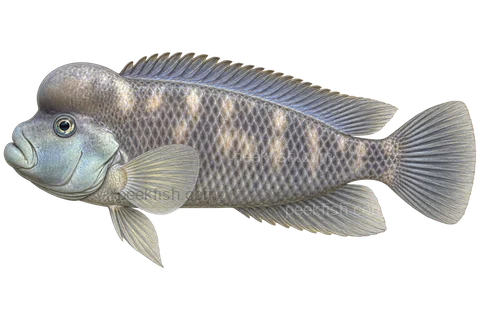
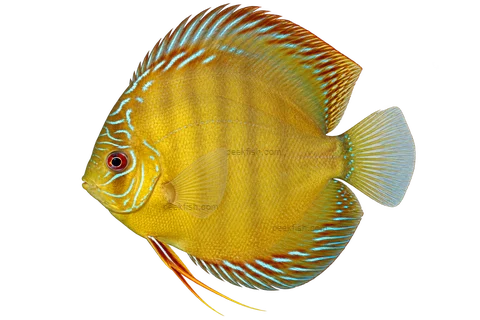
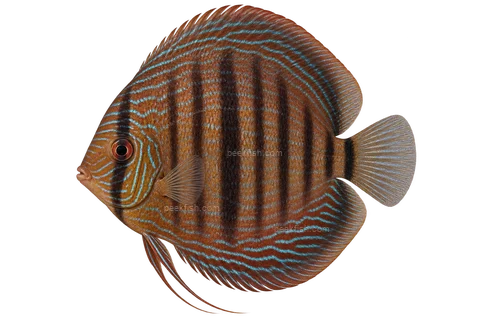
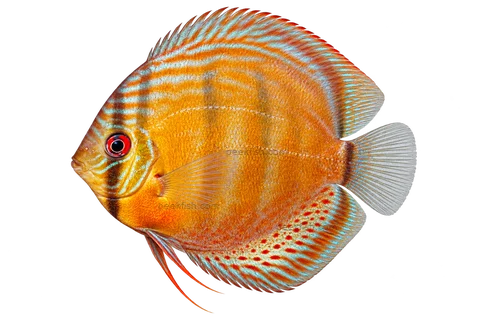
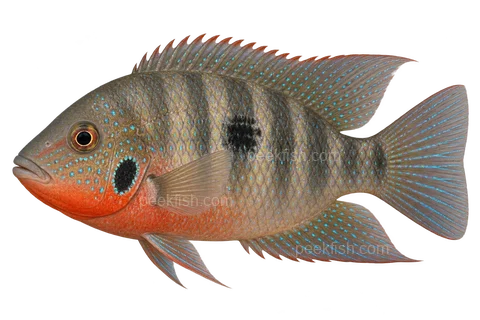
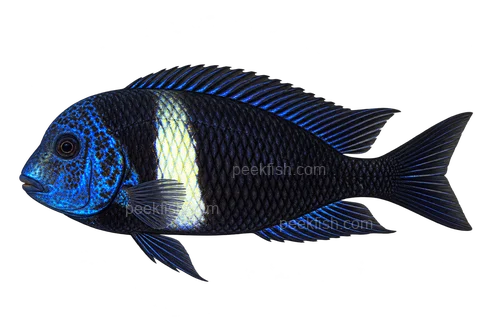
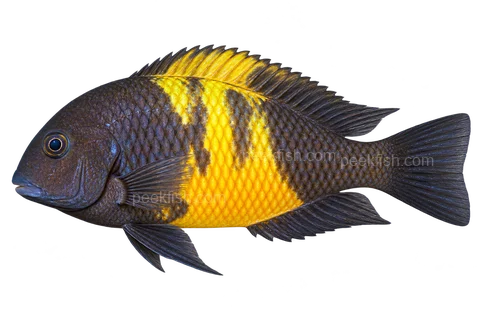
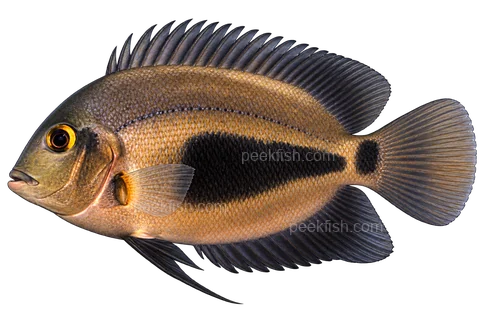
Pterophyllum scalare and Labidochromis caeruleus are both cichlids, from South American rivers and Lake Malawi respectively. Begin with a familiar outline or name, then investigate the individual environment. These examples do not represent every American or African cichlid, and shared geography alone does not establish compatibility.
Domestic angelfish include black and gold forms; colour does not create another species. Consider adult height and fin clearance alongside body length. Angelfish may eat small fish and quarrel with their own kind. An elegant appearance is not evidence that tiny tankmates are safe.
Electric yellow is a familiar form of Labidochromis caeruleus, not a care standard for all cichlids. This fish calls for hard, alkaline conditions and rocky shelter. Breeding can bring territorial behaviour. Relative peacefulness remains contextual, and adding fish does not remove the need to observe conflict.
Angelfish lay and guard eggs on surfaces; female yellow labs mouthbrood. These differences help explain why breeding changes the questions about space and social arrangements. Compare identity and forms, adult shape, water, food, territory and parental care separately. The profiles below support learning, not a proposal to house the two together.