 EN ▾
 ZH
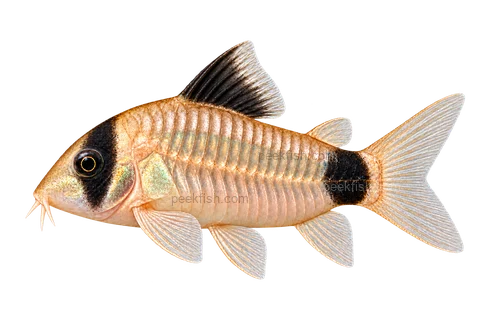
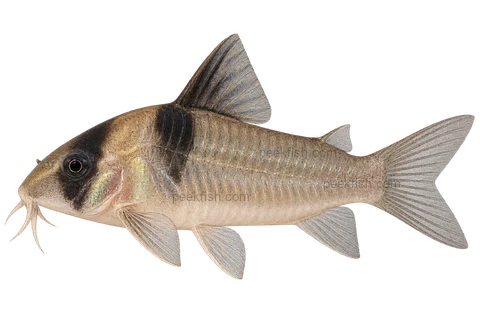
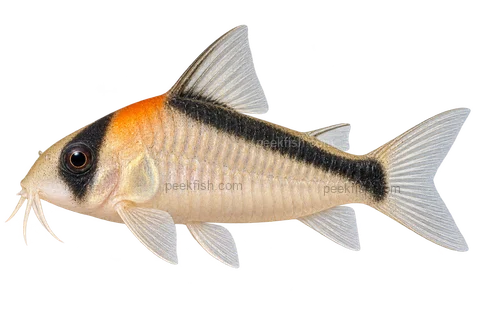
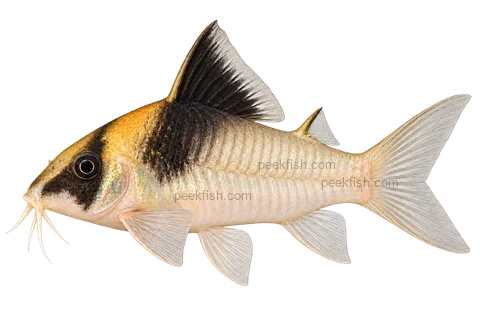
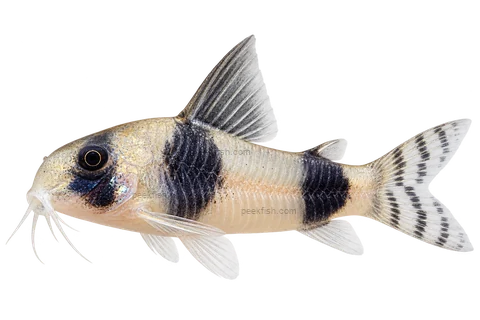
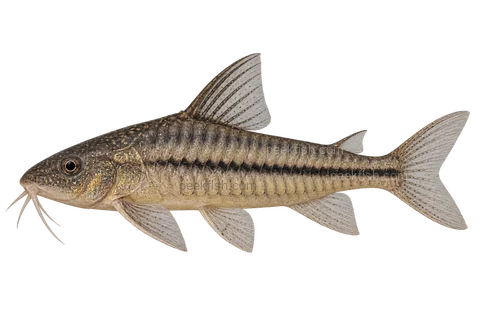
Panda Cory5 cm SL · source maximumA pale body carries a dark eye band, a dark dorsal-fin patch and a separate patch on the tail base.
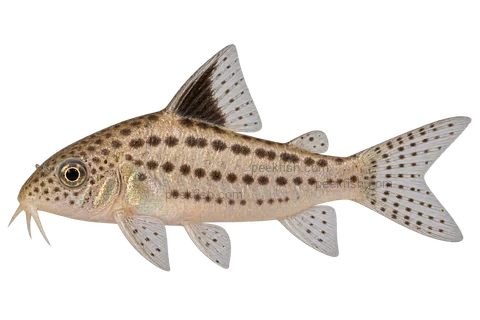
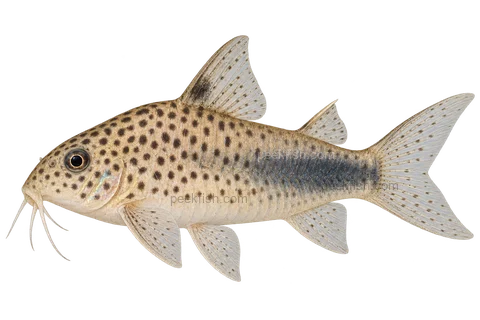
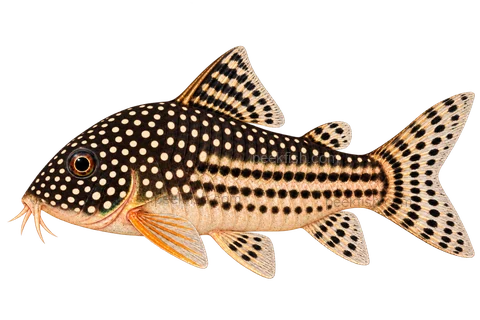
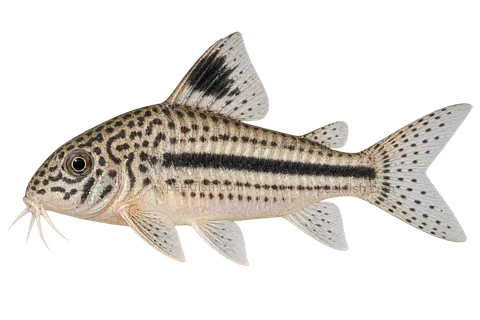
Use head and body markings to find candidates, but avoid identifying similar corys from dots alone. Bottom-dwelling fish still need deliberate feeding and suitable conditions.
Read the full guide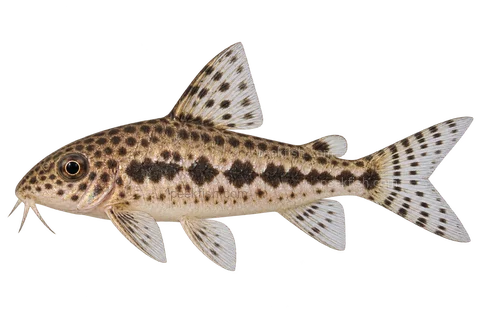
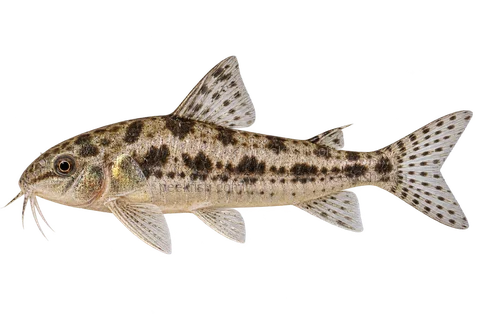
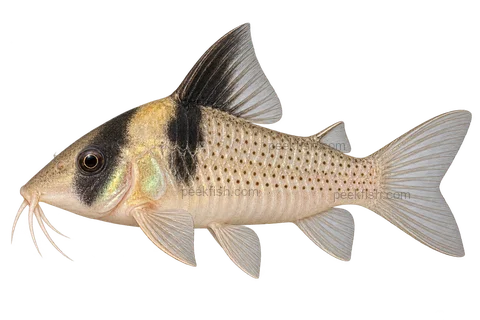
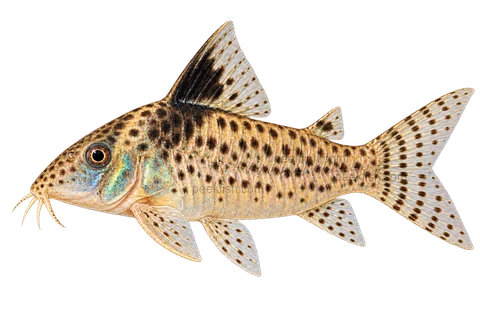
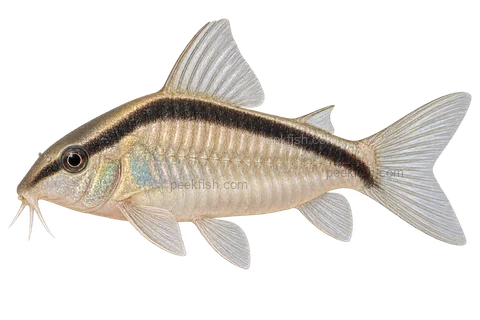
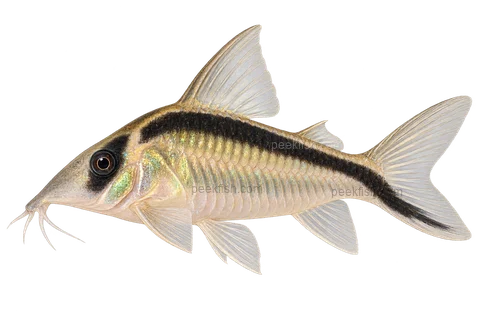
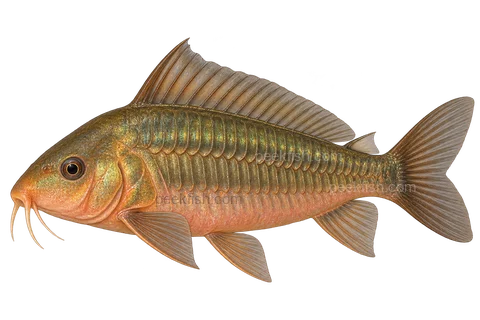
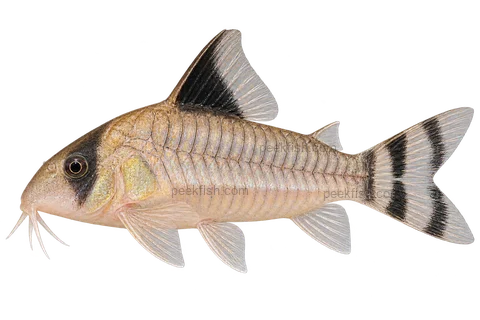
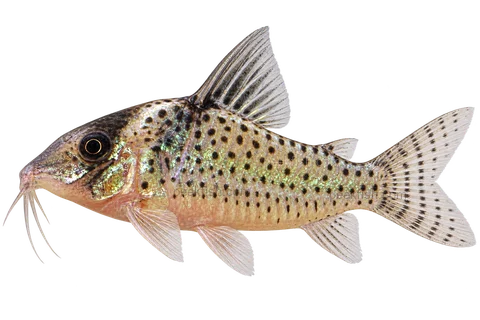
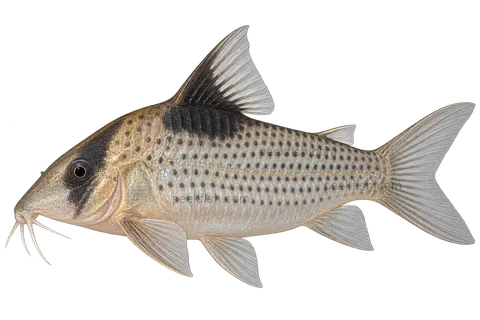
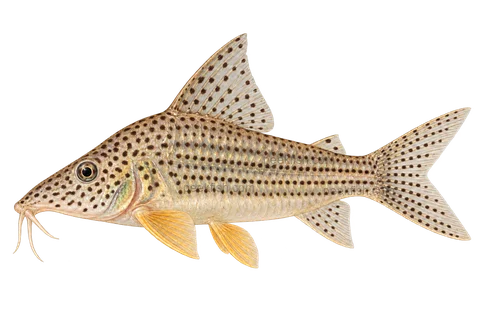
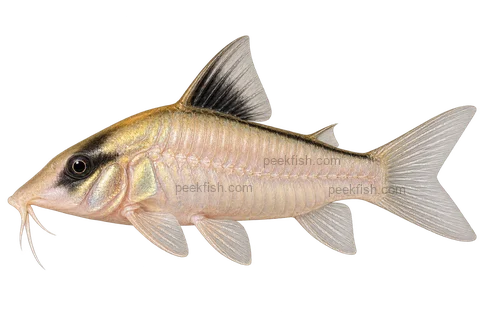
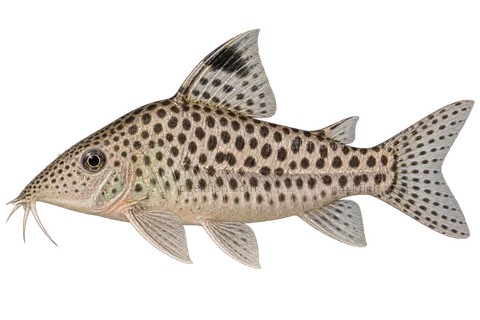
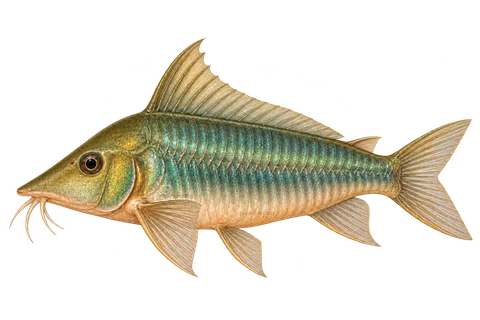
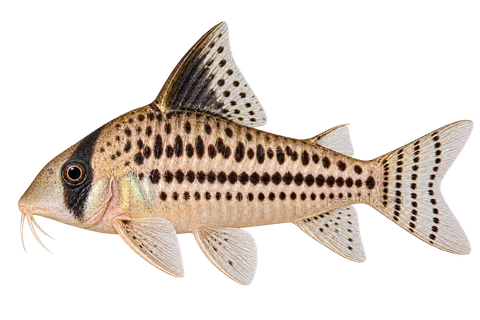
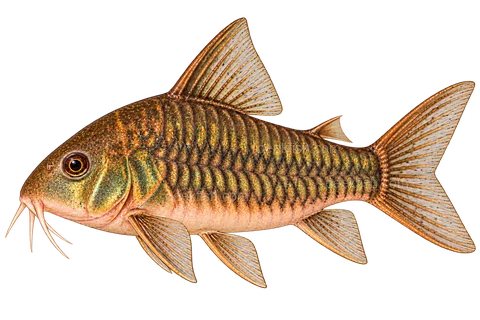
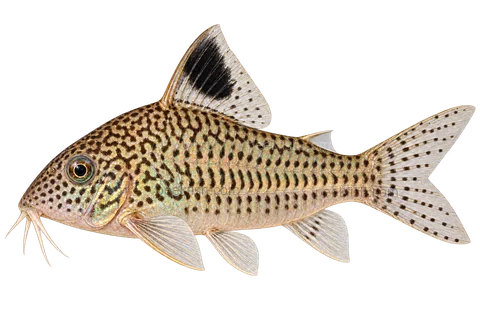
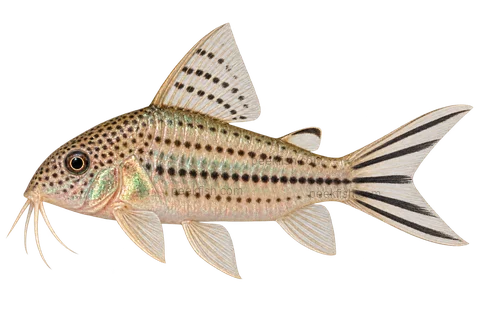
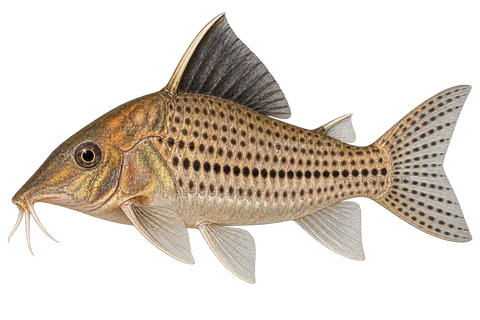
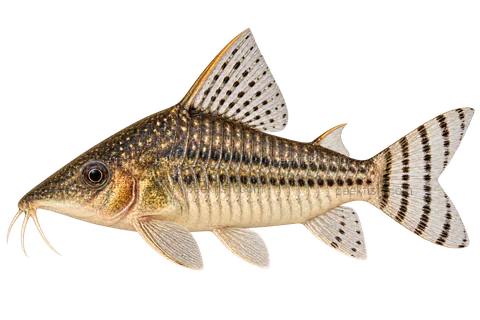
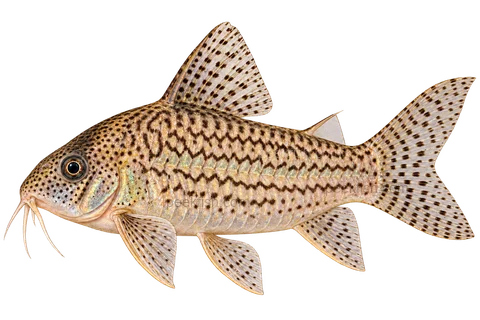
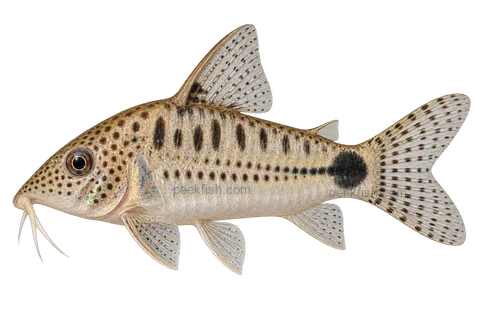
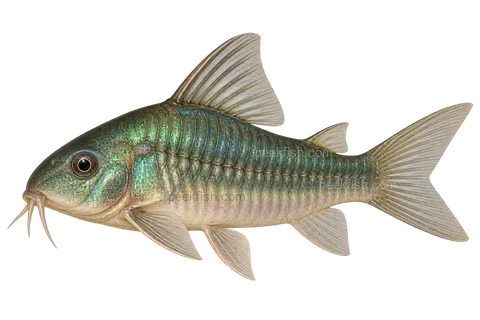
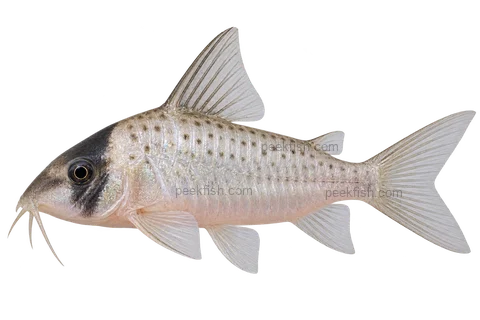
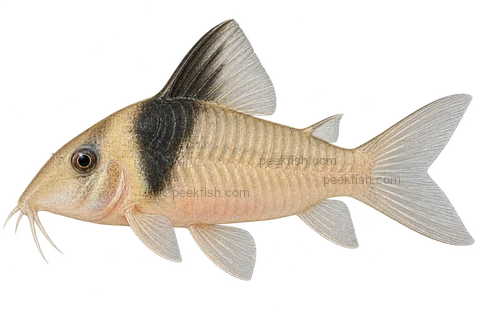
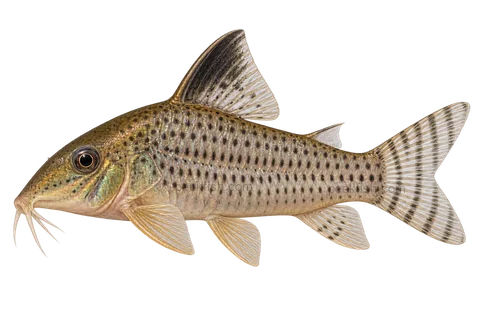
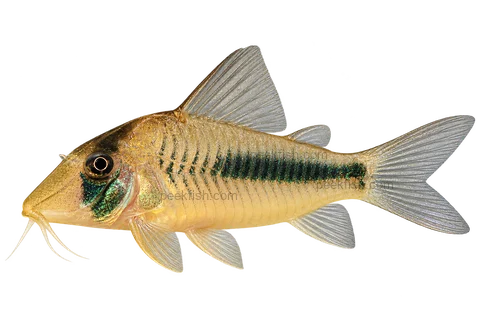
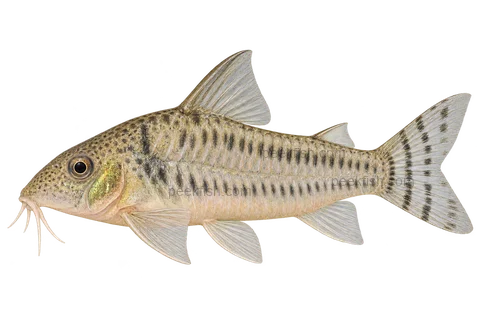
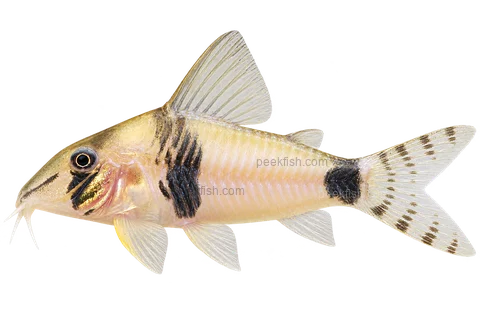
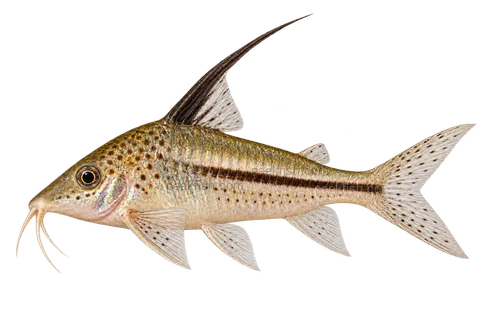
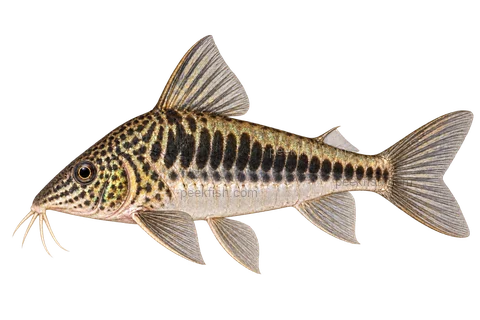
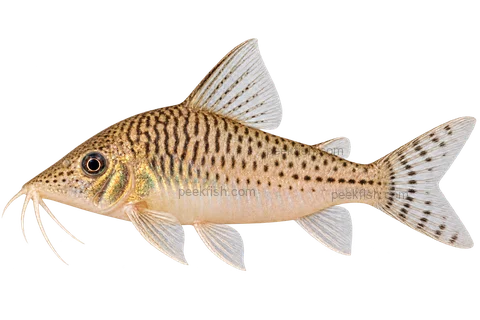
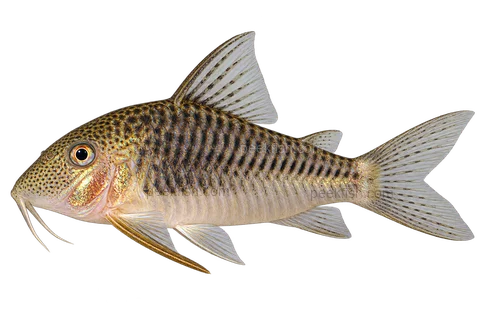
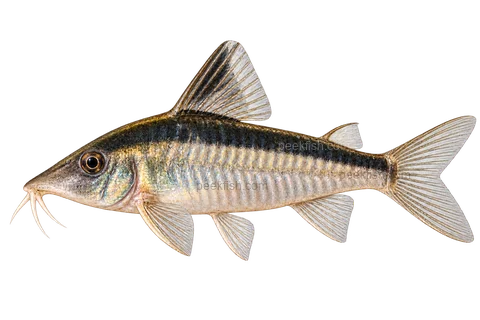
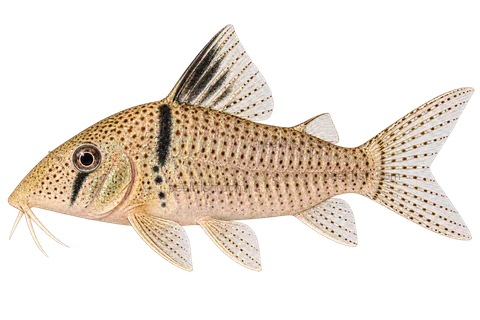
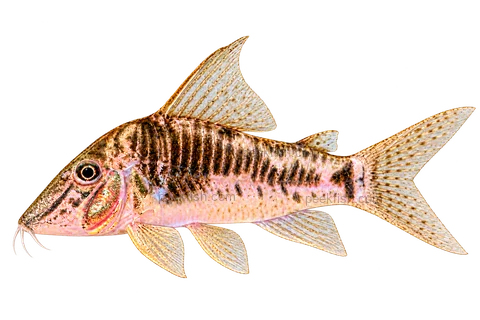
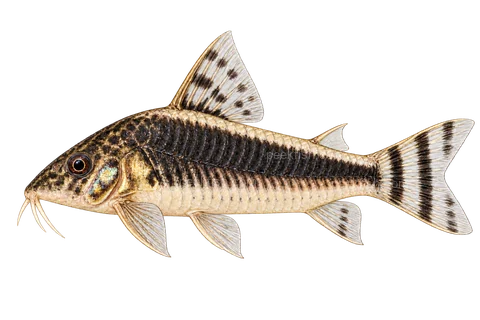
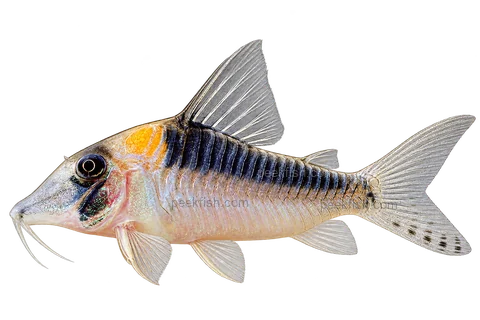
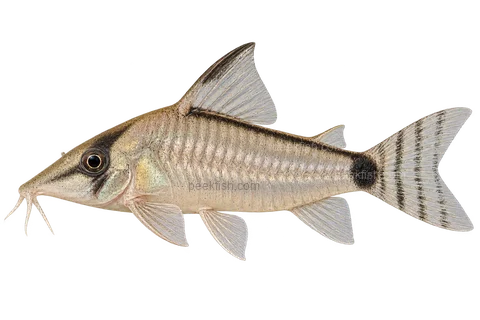
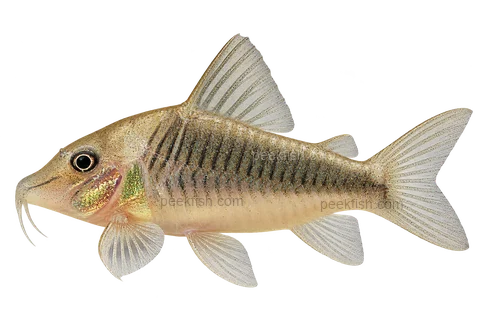
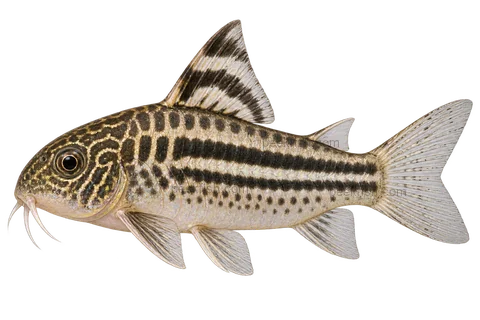
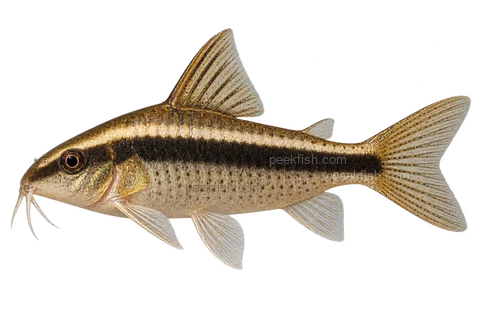
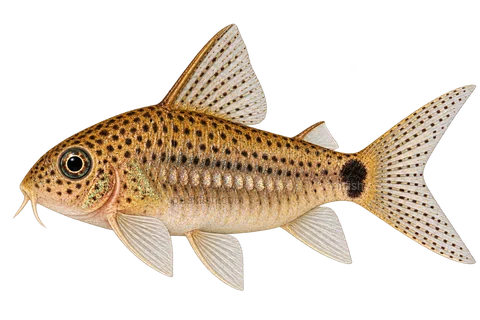
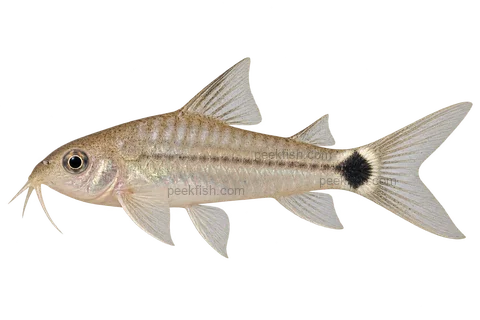
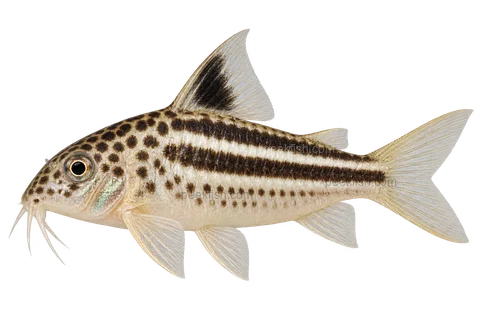
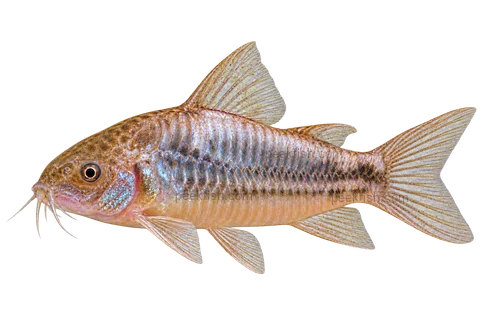
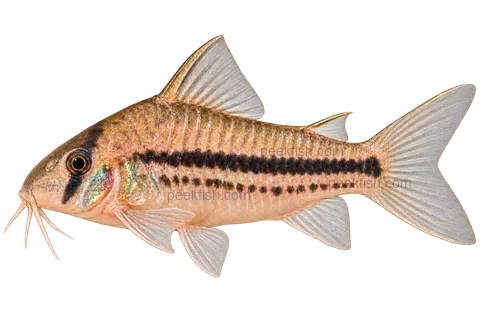
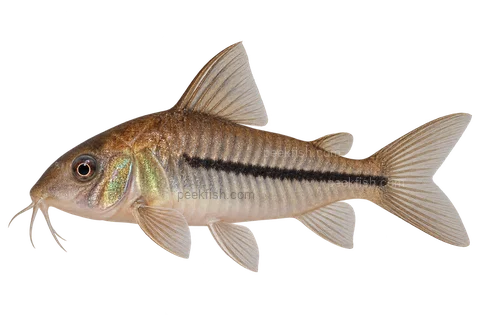
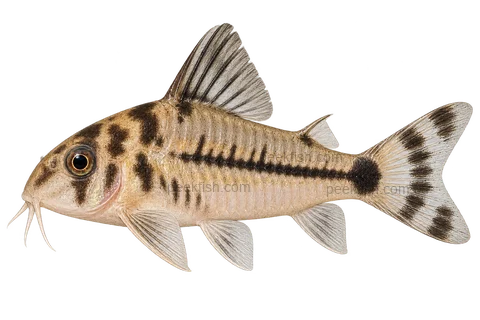
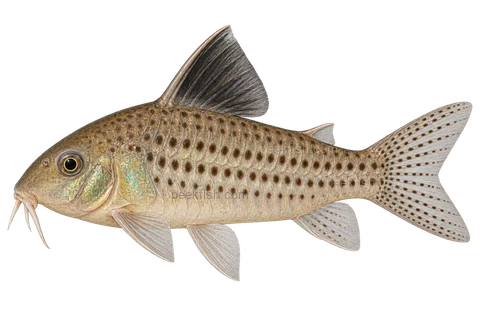
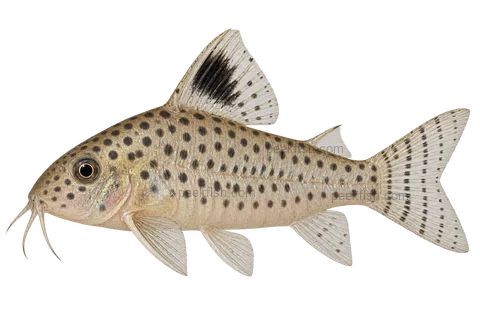
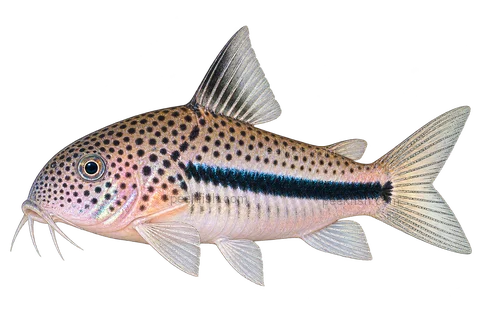
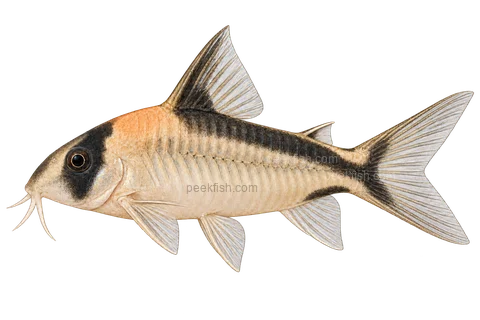
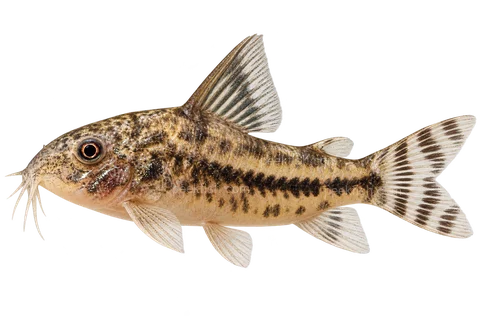
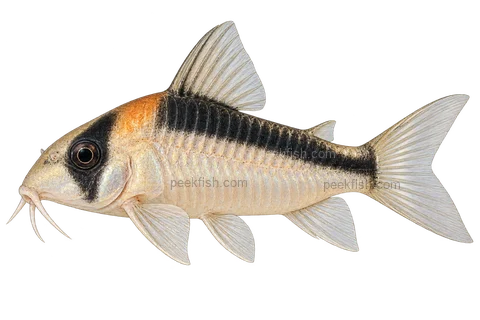
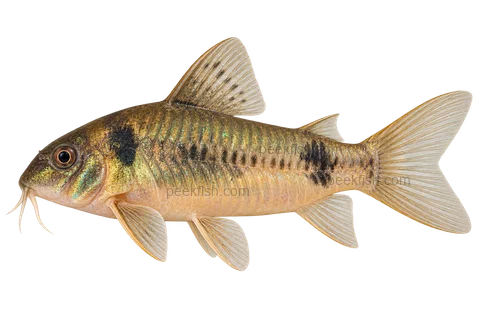
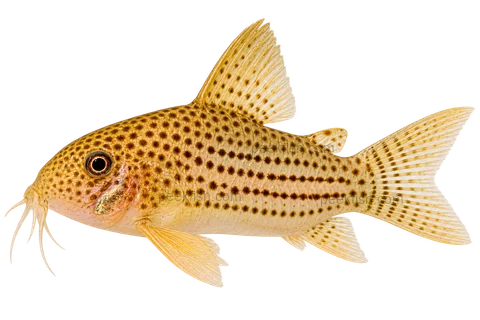
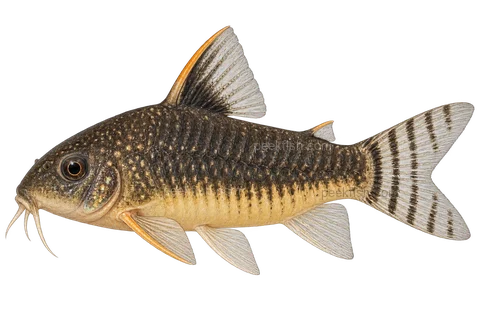
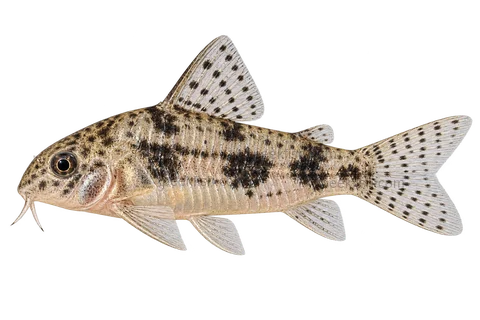
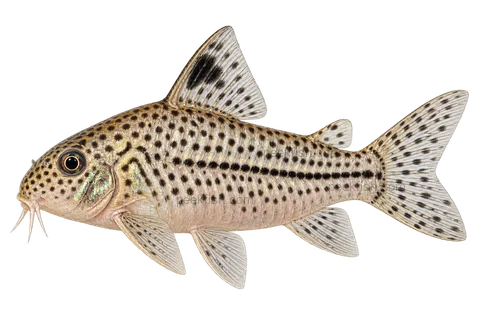
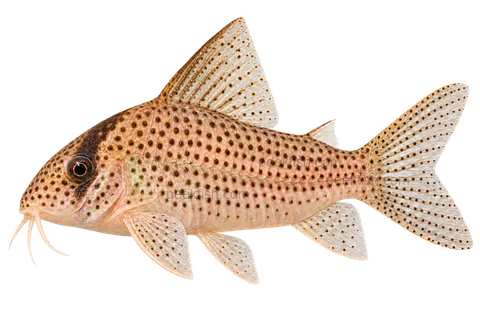
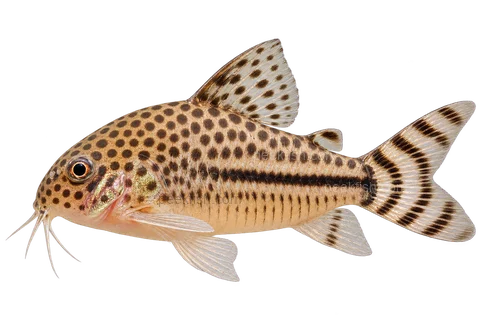
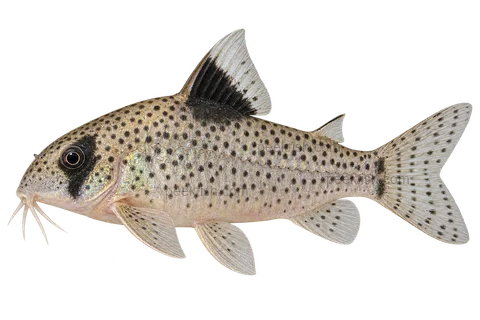
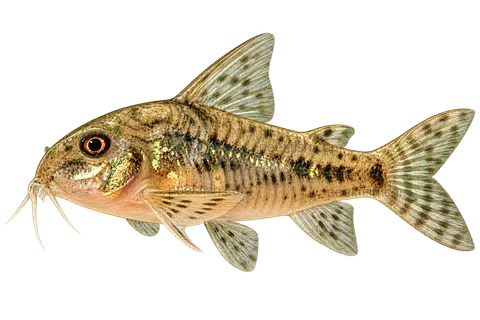
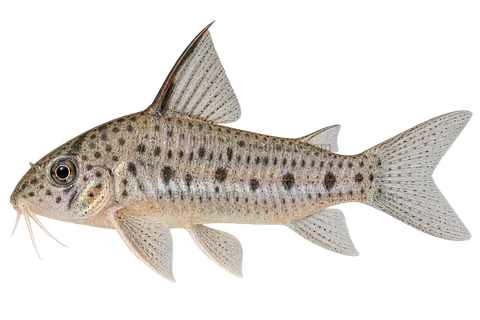
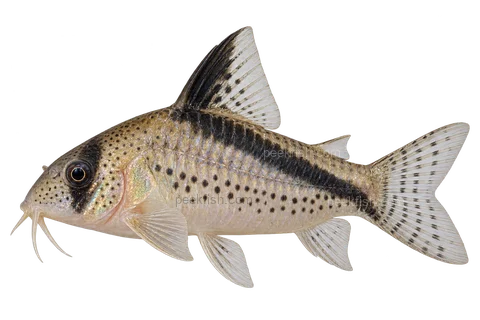
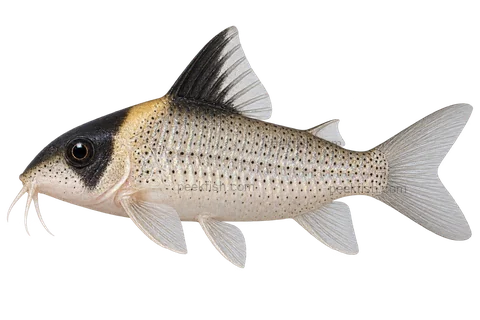
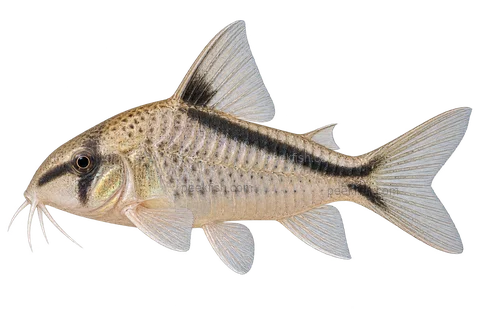
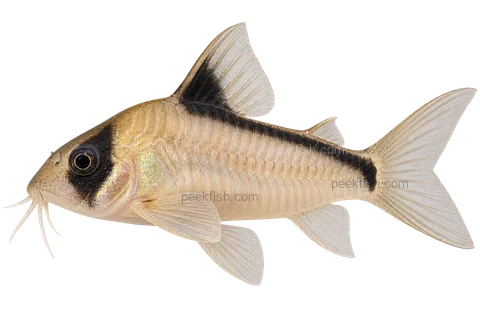
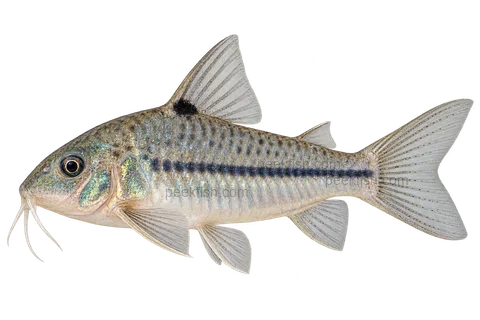
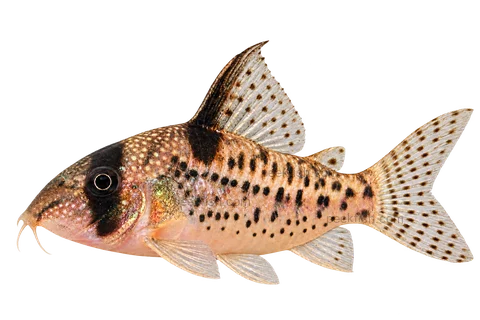
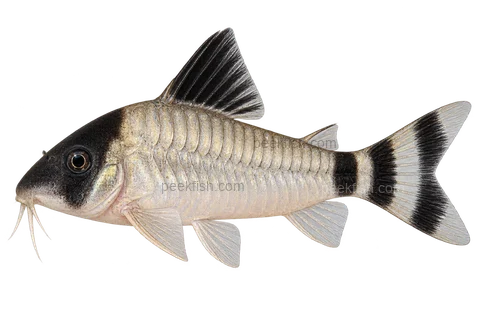
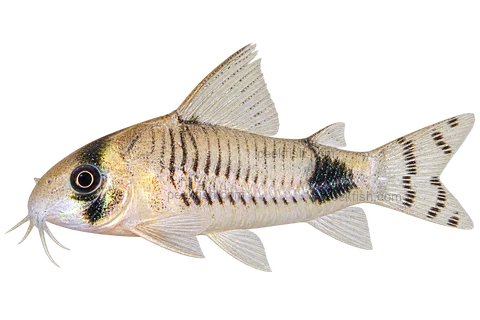
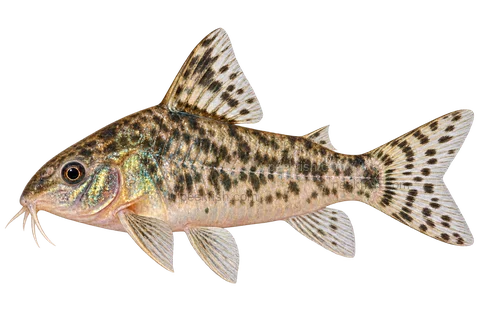
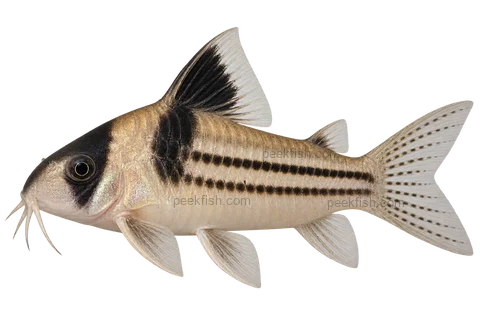
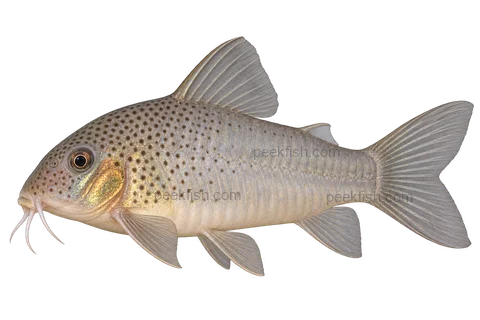
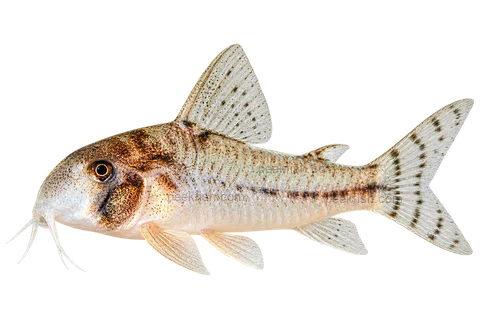
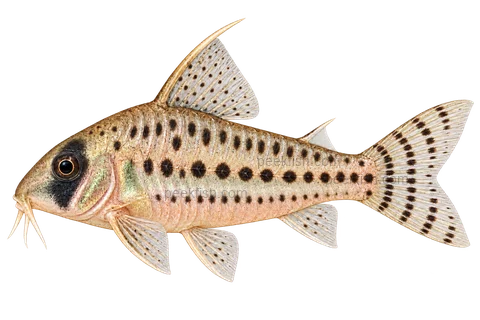
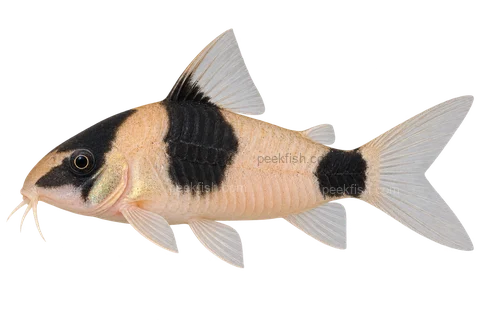
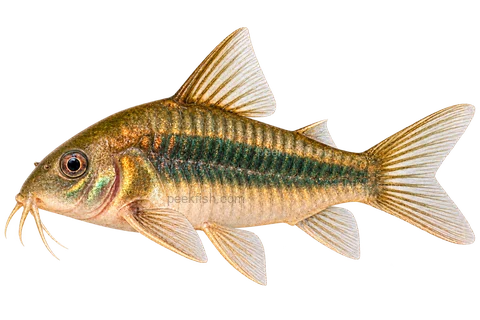
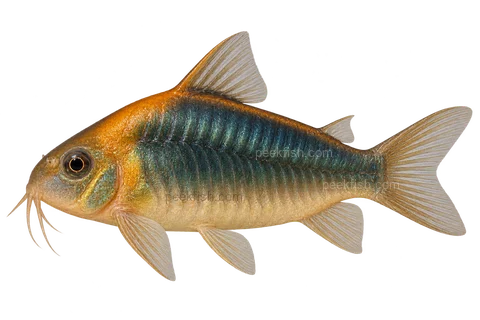
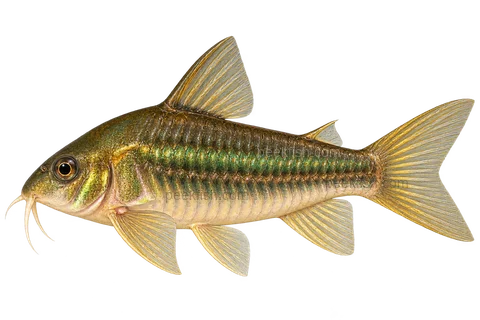
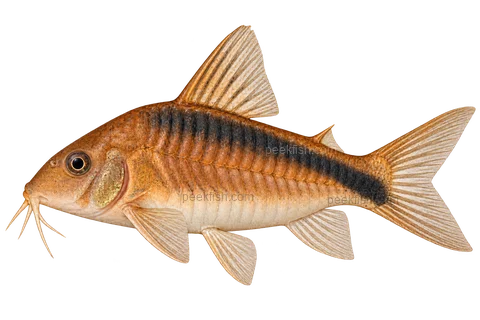
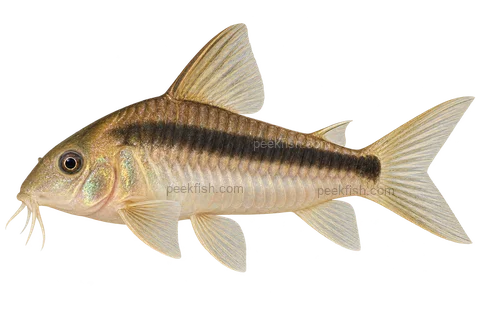
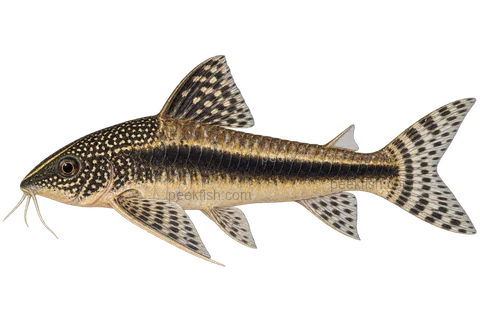
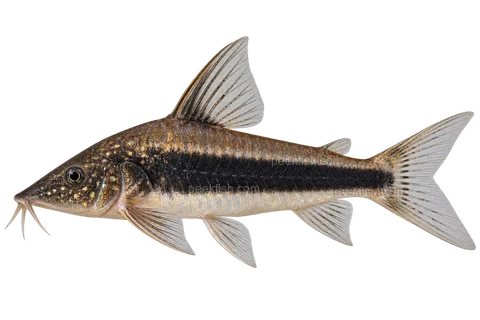
Other catfish, plecos and loaches have separate galleries. Older references often use Corydoras names where this catalogue uses an updated genus. Search aliases can lead to the same fish; an old and a new scientific name do not create two species.
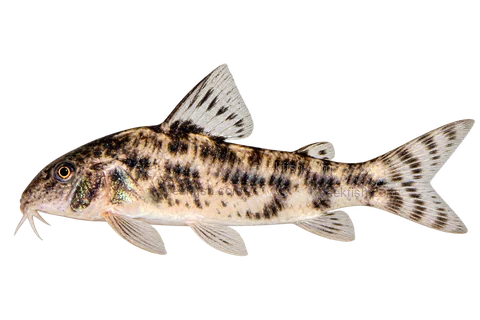
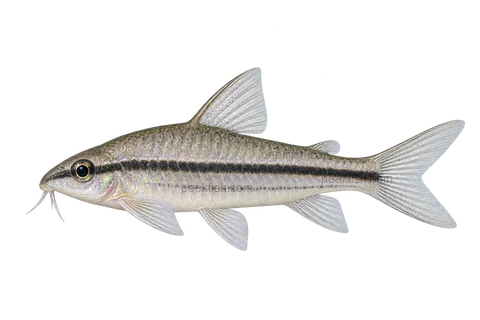
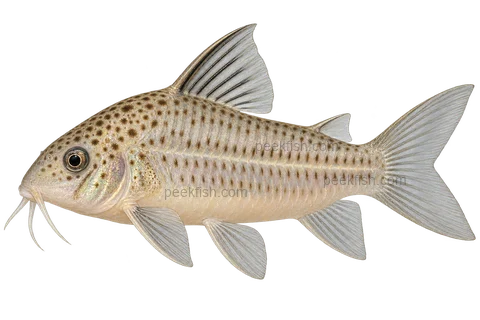
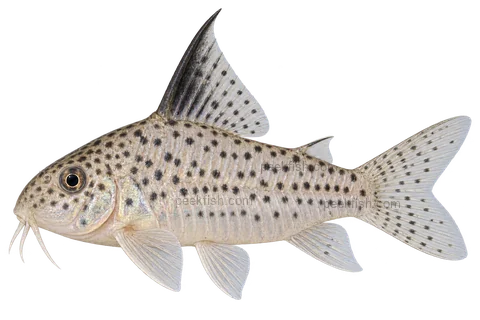
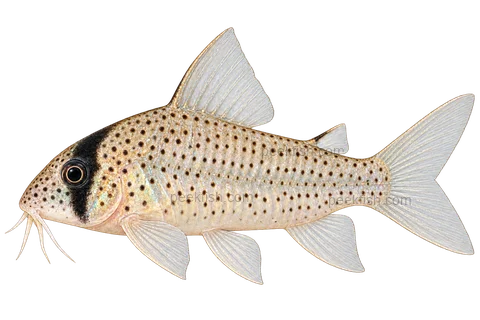
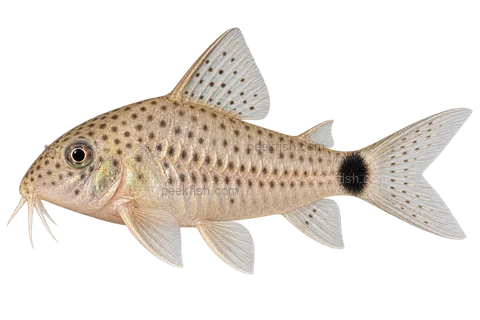
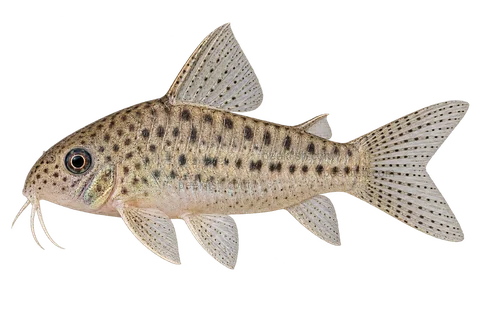
Hoplisoma trilineatum and H. julii are similar. Separate dots versus connected head markings offer a clue, not an absolute boundary. The reference notes variable patterns and spotted examples of H. trilineatum, as well as confusion in trade names. Compare the head, flank and dorsal-fin markings together. Without reliable origin information, keep the identification uncertain rather than treating a dotted head as proof.
The three-lined cory reference specifically recommends food that reaches the bottom. It should not depend on scraps missed by fish above it. Substrate maintenance remains the keeper’s responsibility: a fish searching the bottom does not mean the substrate is clean.
Include social requirements in the plan. Before choosing one of every similar pattern, check the target species’ own group needs, adult size, floor space and temperature. Use the illustrations to compare appearance and the profiles to assess conditions. Unresolved sales identities should also remain unresolved when planning breeding records.