 EN ▾
 ZH
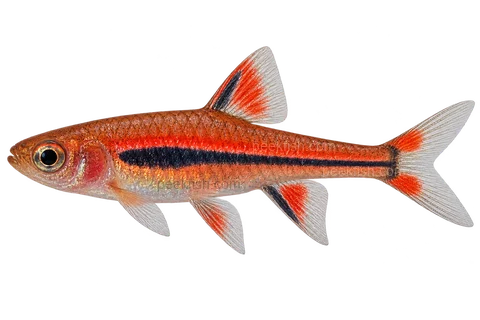
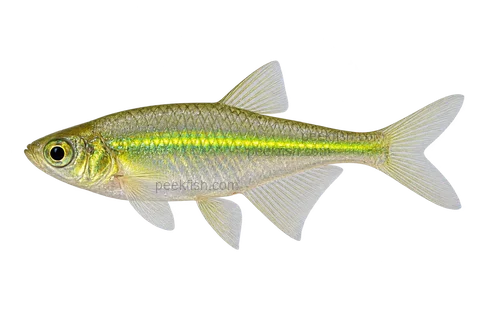
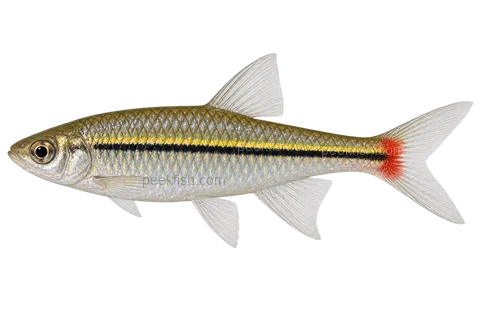
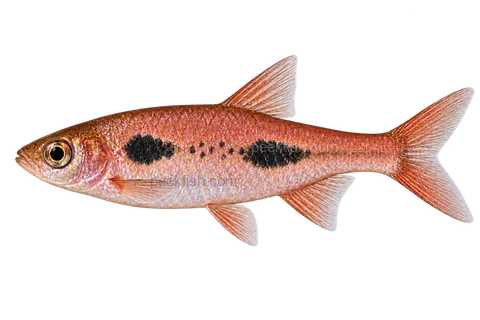
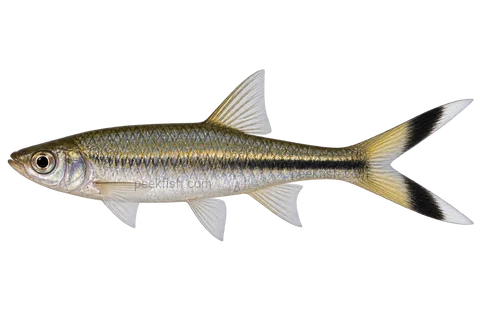
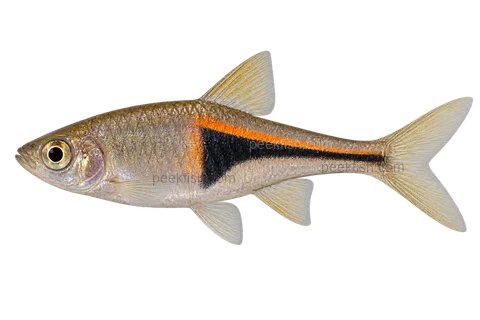
Rasboras and danios: wedges, spots and stripes
One browsing entrance, several identities
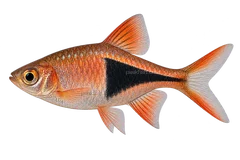
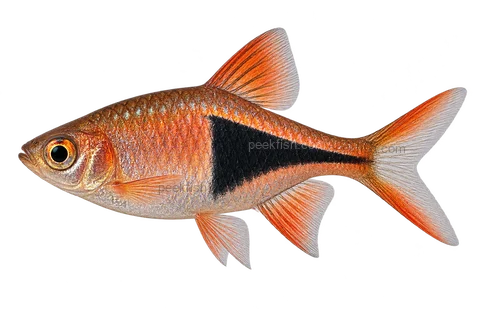
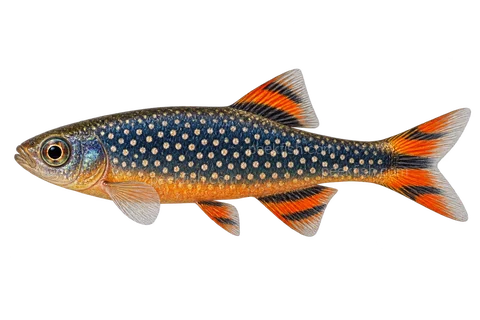
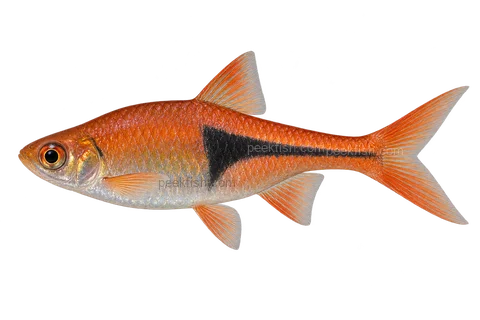
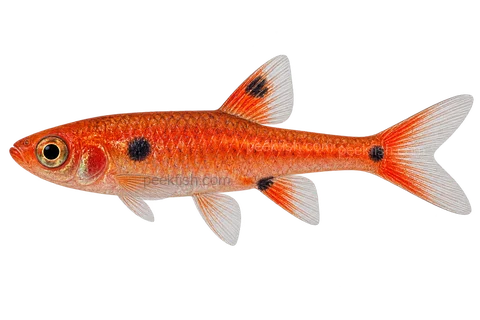
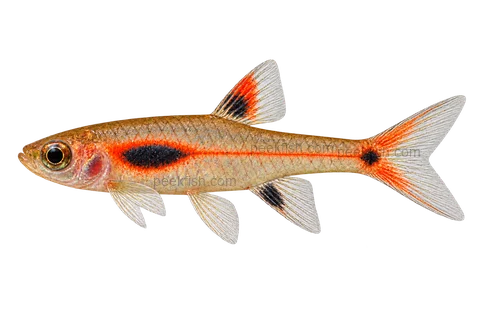
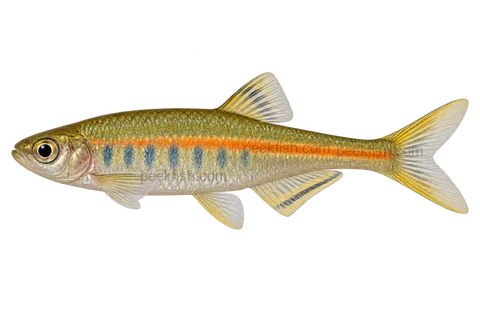
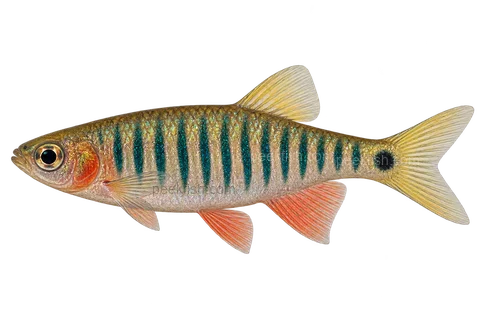
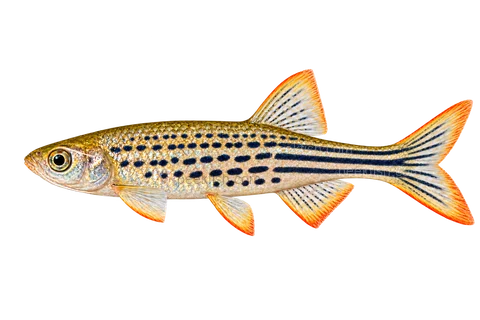
Rasboras and danios share this gallery for convenient browsing; they are not all members of one genus. The harlequin is Trigonostigma heteromorpha. The celestial pearl danio appears as Danio margaritatus, including searches using its older Galaxy rasbora trade name. Different names do not create an extra species.
Find the main pattern first
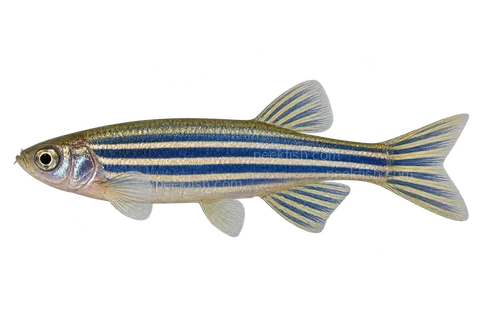
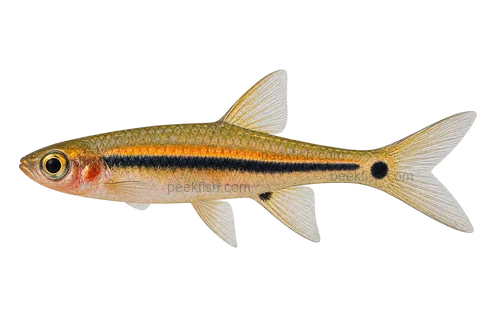
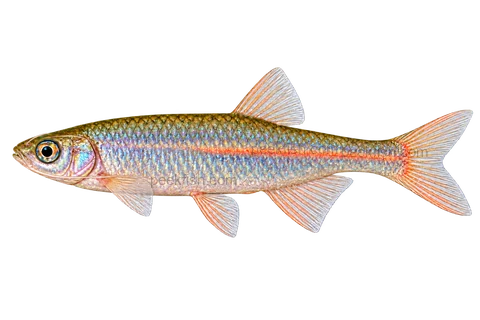
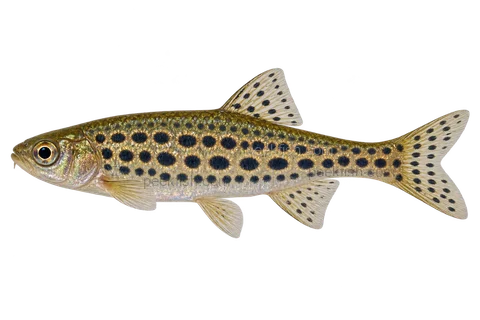
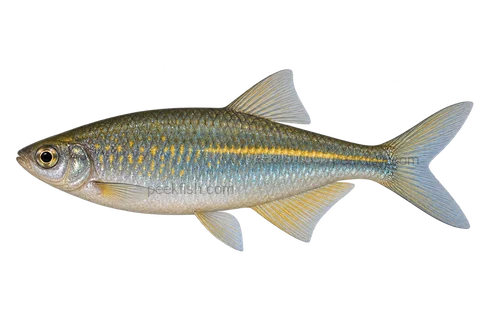
The harlequin has a broad dark wedge towards the rear of the flank. Celestial pearl danios instead draw attention to pale body spots and fin markings. First decide whether the dominant pattern is a wedge, separate spots or stripes, then compare body proportions and fin positions. Avoid relying on the overall colour cast of a photograph. Sex and breeding condition affect the appearance of celestial pearl danios.
Small fish still have behavioural needs
The celestial pearl danio profile describes a shy fish benefiting from cover and broken sightlines. Boisterous tankmates can also interfere with feeding. Its small size therefore does not justify choosing a tiny container by body length alone. Consider what sort of display you want, then check the species requirements rather than applying one setup to the whole gallery.
Follow the pattern to a profile
Begin with the harlequin for a wedge-shaped marking or the celestial pearl danio for a spotted candidate. Read the scientific name, identification notes and sources. Keep uncertainty visible when a sales name does not resolve the identity. Before keeping the fish, compare water requirements, food size and competition. Neighbouring cards are not a compatibility recommendation.