 EN ▾
 ZH
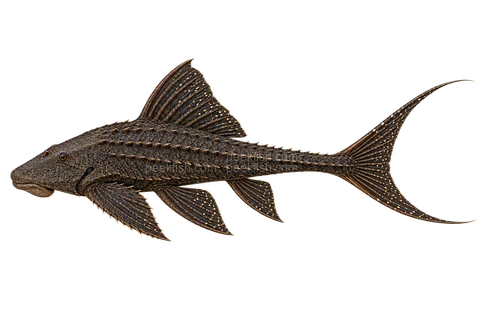
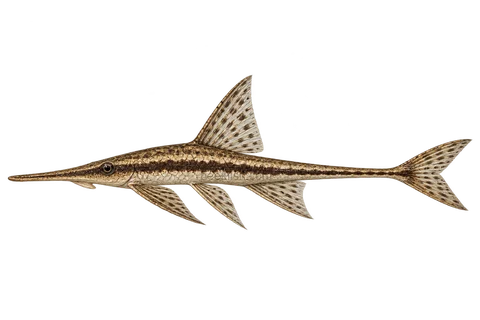
Polka dot lyre-tail plecoUp to 20.6 cm · 23–30 °CJuvenile white spots fade as a huge, territorial adult develops beyond ordinary home-aquarium provision.
Compare clown plecos and striped otocinclus by appearance and food requirements. An algae-eater label is not a complete care plan.
Read the full guide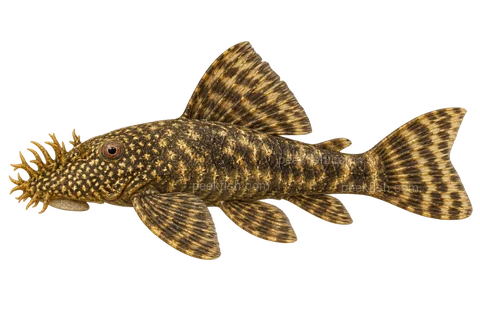
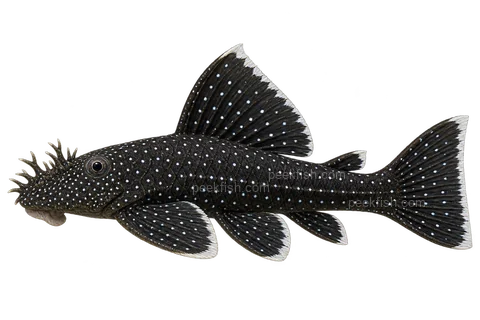
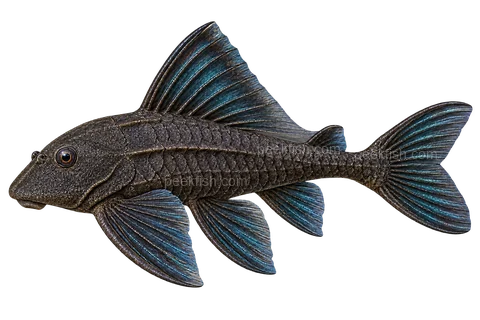
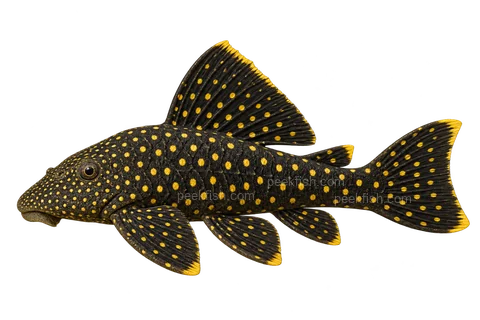
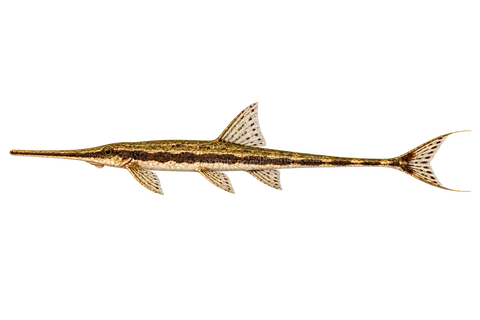
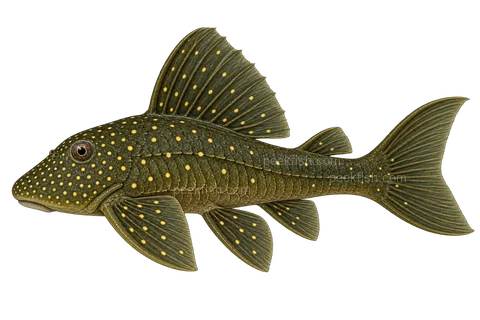
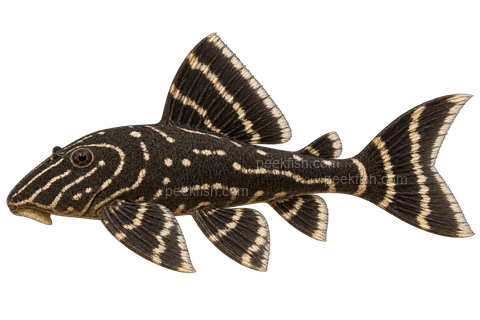
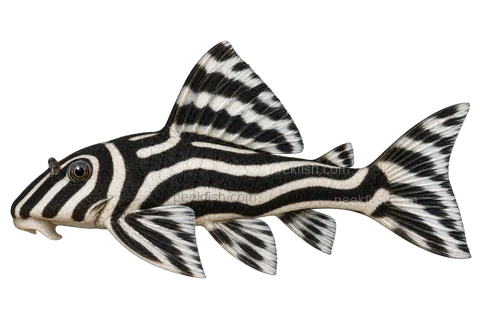
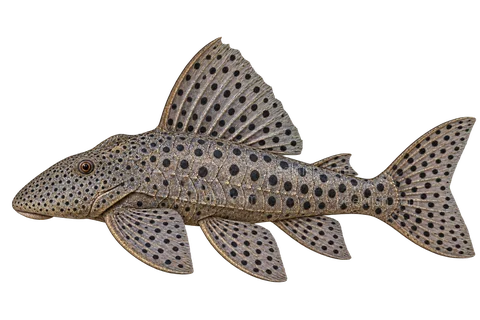
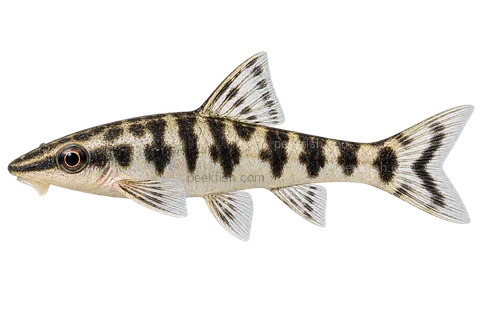
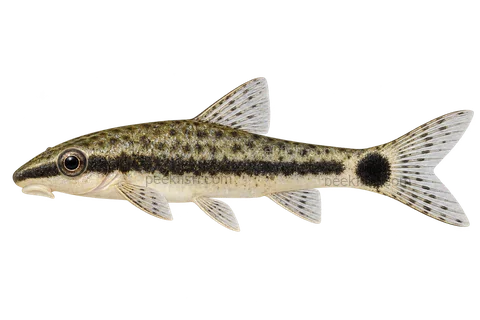
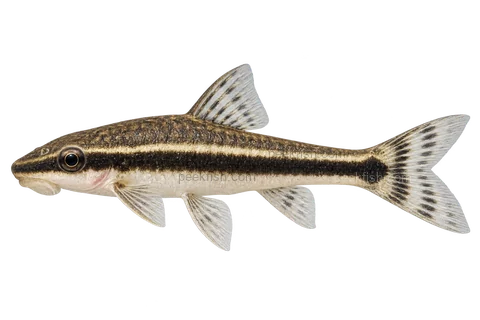
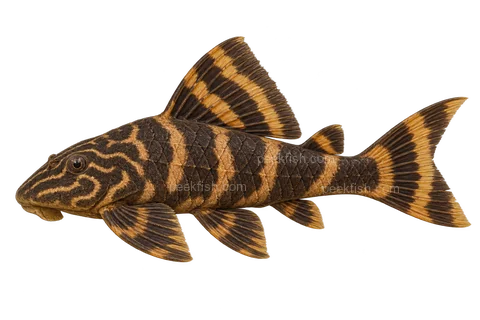
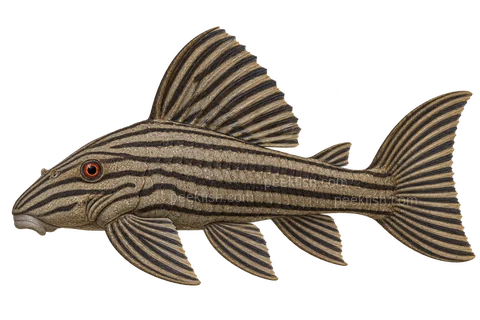
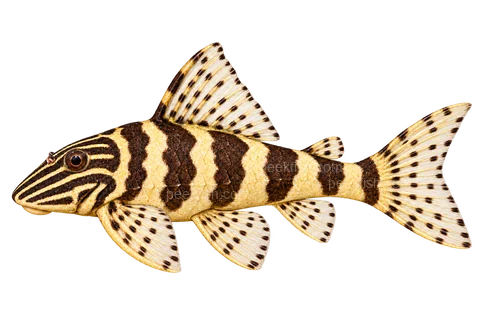
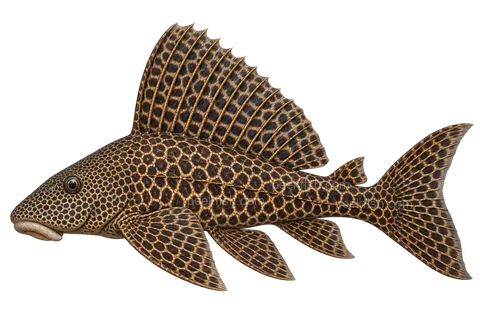
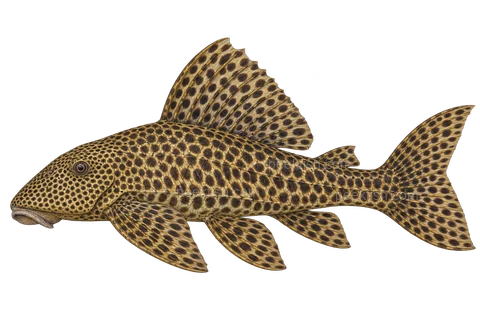
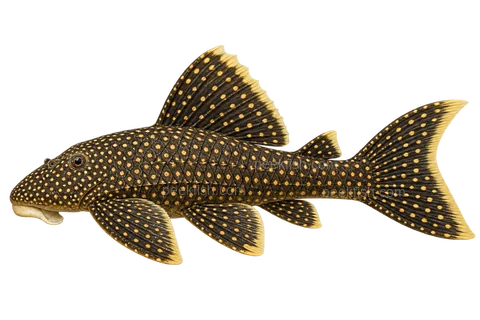
Panaqolus maccus and Otocinclus vittatus are both loricariid catfish in this gallery, despite their different outlines. Corydoras and other catfish have separate entrances. Follow the scientific name rather than treating a cleaning role or an attached posture as an identification.
The clown pleco has a banded pattern, while the striped otocinclus has a dark longitudinal stripe. Use these as browsing clues alongside body outline and fins. A common sales name is not enough to resolve similar species; open the individual profile before making an identification. These examples do not constitute a key to every lookalike.
The striped otocinclus food record includes supplementary foods as well as algae. Clown pleco care includes wood to rasp and additional suitable food. Calling both cleaners hides that distinction. Check what you can supply and whether the individual actually eats it; grazing on a surface alone does not establish adequate intake.
Start with the clown pleco for bands and its distinctive outline, or the striped otocinclus for the slender striped appearance. Then compare adult size, food, social arrangements and environment in their own profiles. The gallery narrows a visual search; documented conditions inform the care decision. Do not transfer one member's values to the entire group.