 EN ▾
 ZH
Other pond fish: appearance, feeding and habitat differences
Different fish, different pond needs
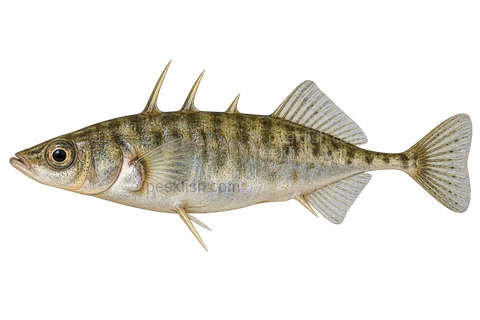
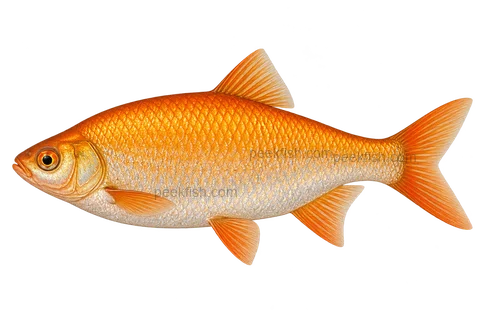
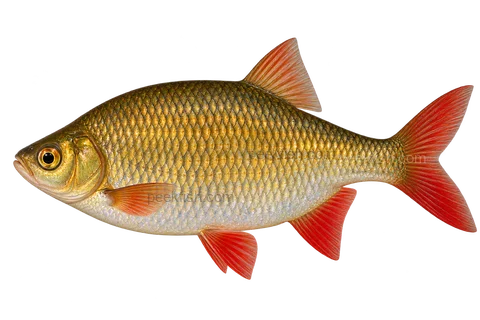
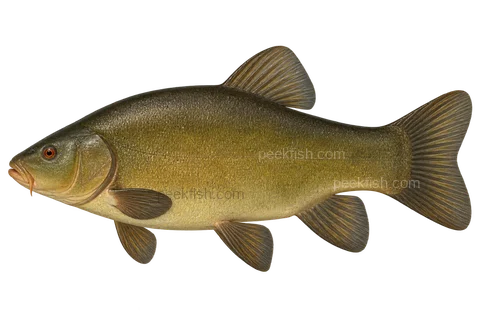
This group brings together the existing profiles for ide or golden orfe, grass carp, rudd, tench, sterlet and three-spined stickleback. Pond use is a browsing theme: these fishes do not share one set of needs or an automatic compatibility recommendation. Koi and goldfish have separate galleries.
Start with a fish that catches your eye, then check its adult space, food and environmental requirements. A small fish at purchase may need a very different home as an adult.
Look at shape, mouth and fins
Golden orfe is an ornamental colour form of ide, not a goldfish or koi variety. Rudd (Scardinius erythrophthalmus) has an upturned mouth and conspicuous red fins. Use the scientific name and profile to resolve ambiguous common or sales names.
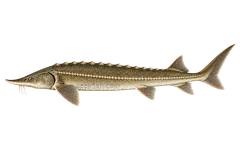
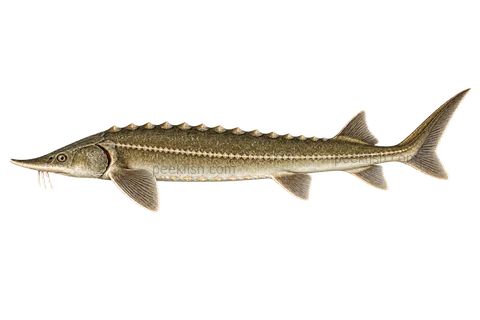
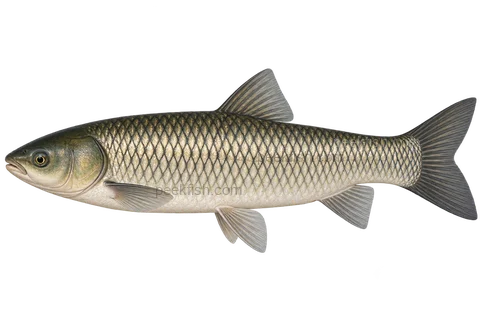
Tench spend time around the bottom. With grass carp, adult space and the loss of aquatic plants deserve particular attention. Sterlet have a pointed snout, barbels beneath it, rows of bony scutes and an uneven tail. Three-spined stickleback have separate dorsal spines; breeding males change in appearance and behaviour. A representative illustration does not show every age, sex or colour form.
Check that every fish can feed
Make feeding arrangements for each fish. Tench and sterlet need access to food at the bottom, rather than losing every meal to faster surface feeders. Grass carp may eat plants you intend to keep. Sticklebacks take small animals, and breeding males defend nests; small body size does not mean an absence of territorial behaviour.
Compare food, usable space and companion restrictions in the individual profiles. A shared gallery, overlapping temperatures or a successful virtual-aquarium composition does not establish compatibility.
Use local conditions, not a fixed calendar
Plan adult space, filtration and oxygen provision before choosing fish. Sturgeons need particular attention to oxygen and bottom feeding; do not automatically apply other pond fishes’ seasonal fasting routine. Plants, a large footprint or clear-looking water do not replace water testing.
The cited UK pond guidance provides seasonal context, not a worldwide calendar. Follow actual water temperature, feeding response and water quality, together with the individual profile. Maximum records and broad pond recommendations are not combined here into universal temperatures, lifespans or stocking numbers.
Keep exploring the differences
Open the pictures above for individual profiles, or compare candidates to see differences in food, swimming level and space needs. Return to the group directory for koi colour patterns such as Kohaku, or explore goldfish for forms such as ranchu and ryukin.
The virtual aquarium previews a composition. Its display scale and fish count do not determine a suitable stocking level, and values marked unknown in the profiles remain unverified.
Sources
nas.er.usgs.gov/queries/factsheet.aspx
canalrivertrust.org.uk/things-to-do/fishing/caring-for-our-fish/freshwater-fish-species/rudd
canalrivertrust.org.uk/things-to-do/fishing/caring-for-our-fish/freshwater-fish-species/golden-orfe
forthriverstrust.org/rivers-wildlife/learn/wildlife/fish/stickleback